
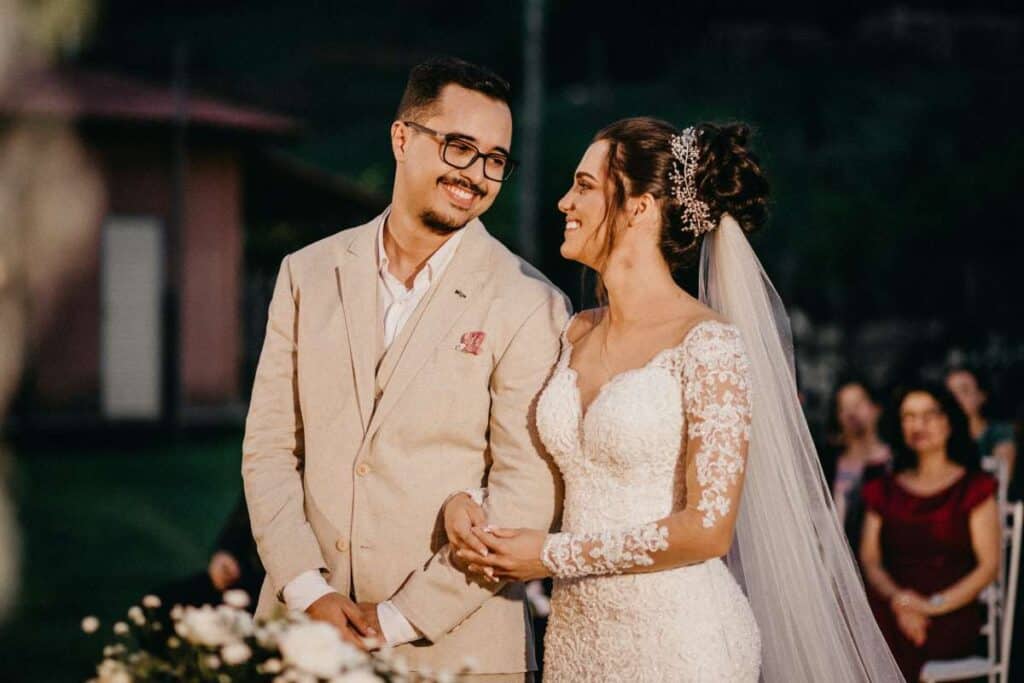
Your wedding can still be special and memorable even if you're on a tight budget. When you want to show off your own style at your wedding but don't want to spend a fortune, a low-cost wedding is the way to go. In need of some wedding assistance? Take a look at the companies we recommend if you need help organising a wedding.
Table of Contents
Wedding Planning
In the midst of all the hoopla around a wedding, it's easy to lose sight of the fundamentals of the ceremony and their significance. The sole meaningful aspect of a wedding is the vows exchanged by the couple. The most important thing is that the bride and groom be surrounded by loved ones on their wedding day, not that the bride is wearing a couture gown or that the guests are toasting with vintage champagne. The effect of a wedding is the same whether it costs hundreds or tens of thousands of dollars. By day's end, the couple will have exchanged vows and be officially married.

Choose Your Wedding Style
When you think of your wedding, what do you envision? A chic party in a downtown loft? What could be better than a cookout in the backyard with all your loved ones? A formal dinner in a grand hotel ballroom?
Consider the many weddings you have attended, watched on television, or browsed on Pinterest for further ideas. Exactly what did you find to be appealing, or off-putting, about them?
Let's not get bogged down in the weeds just yet. If you're planning a wedding on a tight budget, it's more important than ever to recognise what's truly important to you and to prioritise those things accordingly.
Plan the wedding budget meeting
The bride, groom, and parents (or whoever is footing the bill) should all sit together and review the overall wedding cost. Creating a joint budget with your future spouse may be a new experience for you both. What an unforgettable adventure! Spending your wedding budget openly and honestly will set the stage for many lovely cheap date nights in the future!
Limit your Guests
It's true that sometimes little is more. Creating a guest list as long as the royal couple's may seem appealing, but remember that for every person attending, there is a corresponding cost. Sounds cruel, but it's the truth, you guys! The expense of the wedding will rise exponentially as you invite more and more people.
If you're trying to cut costs for your wedding, an intimate, small-scale ceremony might be the way to go. If you and your fiance don't feel particularly tied to having a large wedding guest list, consider slashing it by 20% and then again by 20%. Either have a smaller reception with just family and close friends, or invite more people to the ceremony.
Narrow down your options can prove more challenging than you'd anticipate. Asking yourself, "Have I talked to this individual in the last two months?" can be helpful. In most cases, asking this one question will help you limit your wedding guest list to those who truly matter to you.
Traditional Set-up
With a smaller guest list at your disposal, you may be able to host your party in a more remote or secret place. Possible examples include a breathtaking vista in a national park, your favourite breakfast place with your significant other, or your family's lush backyard. In most cases, all you need to get married at one of these places is a permit, a private room rental, or your relative's approval, and they're cheaper than your normal large wedding site.
In addition, you will have greater leeway in selecting a non-peak day or time to organise your celebration because your small guest list consists solely of your closest relatives and friends, most of whom are likely to come. It's a good idea to enquire about any unused or unadvertised choices the venue may have for small weddings.
Seek for Help
Keep in mind that "DIY" doesn't necessarily mean "all by yourself" when it comes to smaller, more cost-effective weddings. Help can come from unexpected sources; don't discount your loved ones. Ask your artistic cousin to do your makeup, your best friend who loves to bake to make some wedding cookie favours, and your retired aunts to help you prepare the centrepieces. Then, throw a laid-back cocktail party to celebrate your team's achievements. Taking a "divide and conquer" strategy will help you save money and alleviate some of the stress of doing it yourself.
Celebrate at Home or Outside
The wedding reception hall accounts for roughly half of the total cost. Why not choose a less expensive setting, such your own or a relative's house, or a public park? Having your wedding and reception outside in a meaningful location can spare you the expense of renting out a grand hall.
If you insist on holding the event outside, prepare for any eventuality. It's important to always have a backup plan, in case the weather (or the temperature) throws a wrench into your plans.
DIY
Instead of receiving material gifts, consider asking those who have artistic or organisational skills to contribute those to the wedding. Which would you rather have for free: a stand mixer or a concert?
Utilize the people you know. Do you think your aunt has a green thumb? What about your pal, does he or she have a knack for photography? Do you know anyone who owns a restaurant and would be willing to let you use their space for free? If the service can't be given away for free, you might be able to negotiate a substantial discount.
Don't discount your own abilities. Trade your skills for the wedding services you need. Trade your bookkeeping skills for a free dress adjustment, or your graphic design expertise for a free wedding cake. Use your imagination.
Dummy Cake
The cost of wedding cakes is shockingly high. Decorate a fake cake to save money on the real one. A pastry chef, or someone you know with icing skills worthy of a spot on a reality TV baking competition, can adorn a stack of Styrofoam to seem just as ornate as a genuine wedding cake. Cut up a sheet cake you picked up at the supermarket and serve it to your guests. Nobody will be the wiser!
Have a smaller cake made for you and your new husband if you must participate in the cake-cutting ritual. You can also use it to make the fake cake look more authentic by placing it on top.
Make a List of Potential Suppliers
Don't rush into choosing a wedding service provider. Don't hire the first pastry chef you come across if you need one. Make sure you're getting the greatest service for the lowest price by scheduling meetings with many providers.
In comparison to the recommendation of a friend or family member, nothing beats the results! When looking for a vendor, it's always a good idea to acquire recommendations from someone you trust. Search online for reviews once you've located someone that sounds promising so you know you made a good choice.
Stay Real
It's inevitable that you'll run into resistance to your intimate wedding vision from some members of your guest list at some point in the planning process. Relatives who were not invited may feel insulted, and friends may be surprised at the low cost of the party you're arranging.
Have no worry, my dear! We suggest saying something like, "We're really happy to get married in a way that seems right for us, but thanks for your opinion" if anyone causes you trouble.
Small-Budget Wedding Planning Tips
To keep costs down, you should keep in mind a few key details. First, you need to determine your realistic financial limits. A budget spreadsheet can help you become organised early on in the planning process and stay on top of your spending as you go.
Don't Be Hyped!
Everything from bridal publications to specialised shops to wedding planners will tell you that you need to buy, rent, or borrow a wide variety of items in order to have an unforgettable wedding day. Resist! Focus on the things that are truly important to YOU.
Secondhand Deals
Many fantastic deals can be found in thrift stores, and these can be a big help when trying to organise a wedding on a tight budget. You can buy your dress and the groom can buy his suit from a thrift store and no one will ever know the difference! A
Create Your Own Wedding Stationery
Making your own wedding invitations, programmes, table decorations, and anything else will help you save a lot of money. You may put your own stamp on each day and making any number of stunning items. Both the wedding invitation and the wedding programme that you make yourself will be treasured for years to come.
Check out our ultimate list of Wedding Planners in Melbourne to help you organise a stress-free wedding.
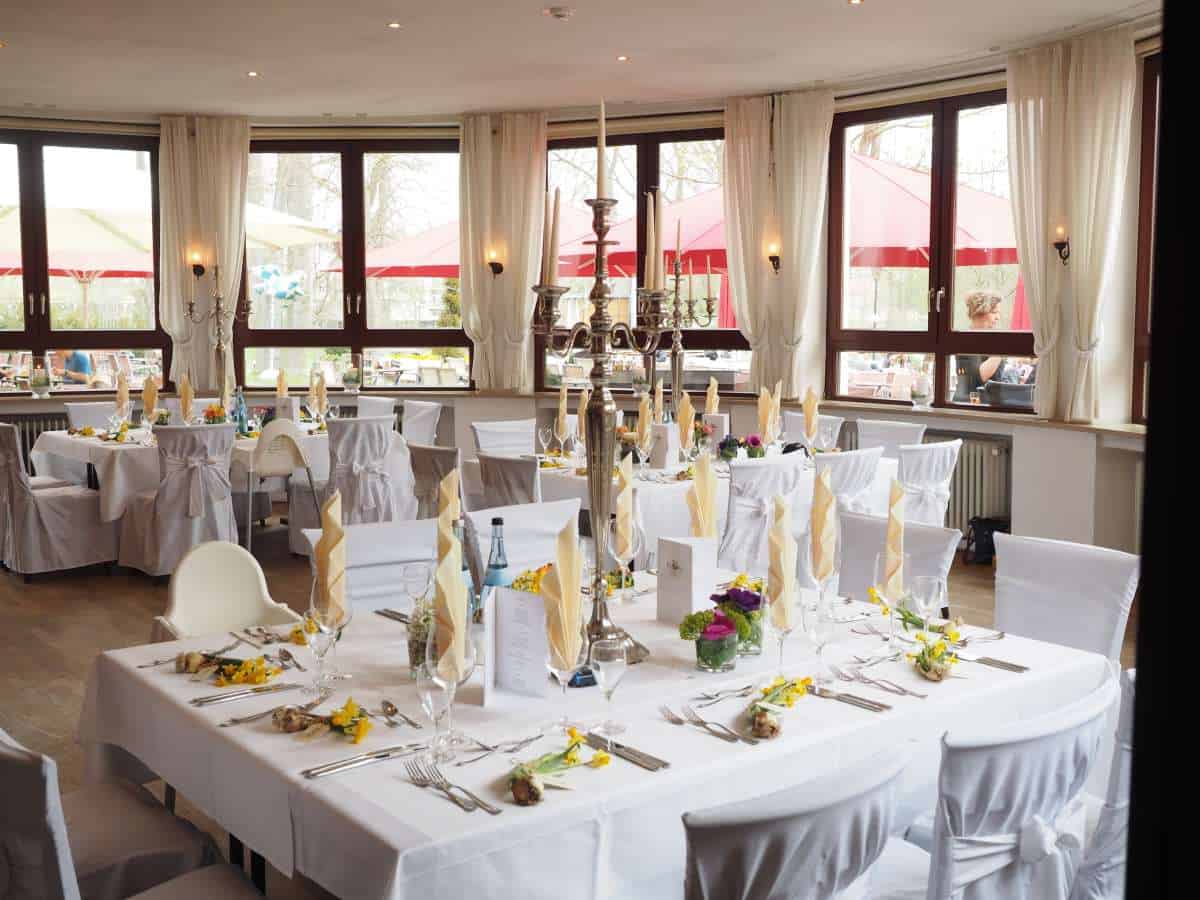
Making your own wedding invitations, programmes, table decorations, and more is a fantastic way to cut costs. Make today uniquely yours with the help of LoveToKnow Crafts and its extensive how-to guides on making a wide variety of lovely things. DIY wedding invitations are guaranteed to be kept as keepsakes by guests, and a wedding programme crafted with your own two hands will be one of a kind.
Money-Saving Wedding Tips
Now that you know what sort of wedding you may have with your allotted funds, what other measures can you take to cut costs? Here are the suggestions for reducing wedding expenses without sacrificing quality.
A Budget-Friendly Wedding
The accoutrements of a formal ceremony aren't necessary for a beautiful wedding day. If you're planning a wedding on a tight budget, it's crucial to prioritise the things that are most meaningful to you and your partner, so that you may have a truly memorable celebration while still saving money.
Your wedding should be a celebration of the union of the two of you. And that will last for a lot longer than just the party itself. Don't lose sight of the big picture amidst the details of your wedding. Spending a fortune on a wedding day is not a good way to show your spouse how much you care about them, and it might leave you both broke. Having a wedding that is both gorgeous and economical is completely feasible!
FAQs About Wedding
At the very least, if you plan on having a minimalistic wedding with a small guest list, you should still allow yourself two to three months to plan the wedding. Your dress might need to go in for alterations, or the caterer might be booked for several months.
Typically, a small wedding lends itself to about 50 people – that's 25 people on each side. Think about whether you want to include 'plus one's' or just individuals, and whether this extends to your close work colleagues, or none at all.
Eloping is a marriage conducted without the knowledge of the couple's family and friends, particularly their parents. Typically, those who elope only have a ceremony and do not host a reception or celebration.
The cheapest months to get married are January, March, April, and November. If you're looking to save money on your wedding ceremony, avoid the peak summer wedding season in favor of one of these less popular dates.
These numbers may vary a little depending on who you're speaking with, but a small wedding typically includes 50 people or under, a medium wedding has a guest list of anywhere from 50-150 guests, and a large wedding has over 150 attendees.
Conclusion
If you want to impress your guests with your unique sense of style without breaking the bank, a budget wedding is the way to go. There is a fixed fee per head for the event. Setting up a transparent and honest budget early on will pave the way for many wonderful date nights in the future. A small, private ceremony could be the way to go if you're trying to save money on your wedding. If you're only inviting a small number of people to your party, you can probably find a more discreet location.
You should enquire about unmentioned or unused options. Save some cash by decorating a fake cake instead of buying a real one. Swap your skills as a book-keeper for an unpaid alteration of your wardrobe. You can save money and get better service by compiling a list of potential vendors. Read testimonials and ratings on the web to help you pick the right professional.
Maintaining control of your finances through the use of a budget spreadsheet is recommended. Create everything from invitations to table centrepieces to the ceremony's programme on your own. Thrift stores are a great place to save money on wedding necessities. Don't be cheap; treat yourself. How can you keep your wedding costs to a minimum?
To save money, you can make your own wedding invitations, programmes, table decorations, and more. LoveToKnow Crafts is a comprehensive resource for learning how to make a wide range of attractive objects.
Content Summary
- When you want to show off your own style at your wedding but don't want to spend a fortune, a low-cost wedding is the way to go.
- The sole meaningful aspect of a wedding is the vows exchanged by the couple.
- When you think of your wedding, what do you envision?
- Plan the wedding budget meetingThe bride, groom, and parents should all sit together and review the overall wedding cost.
- Creating a guest list as long as the royal couple's may seem appealing, but remember that for every person attending, there is a corresponding cost.
- If you're trying to cut costs for your wedding, an intimate, small-scale ceremony might be the way to go.
- Either have a smaller reception with just family and close friends, or invite more people to the ceremony.
- With a smaller guest list at your disposal, you may be able to host your party in a more remote or secret place.
- Taking a "divide and conquer" strategy will help you save money and alleviate some of the stress of doing it yourself.
- The wedding reception hall accounts for roughly half of the total cost.
- It's important to always have a backup plan, in case the weather (or the temperature) throws a wrench into your plans.
- DIY Instead of receiving material gifts, consider asking those who have artistic or organisational skills to contribute those to the wedding.
- Trade your skills for the wedding services you need.
- Trade your bookkeeping skills for a free dress adjustment, or your graphic design expertise for a free wedding cake.
- The cost of wedding cakes is shockingly high.
- Decorate a fake cake to save money on the real one.
- Don't rush into choosing a wedding service provider.
- When looking for a vendor, it's always a good idea to acquire recommendations from someone you trust.
- It's inevitable that you'll run into resistance to your intimate wedding vision from some members of your guest list at some point in the planning process.
- Relatives who were not invited may feel insulted, and friends may be surprised at the low cost of the party you're arranging.
- To keep costs down, you should keep in mind a few key details.
- A budget spreadsheet can help you become organised early on in the planning process and stay on top of your spending as you go.
- Focus on the things that are truly important to YOU.Secondhand DealsMany fantastic deals can be found in thrift stores, and these can be a big help when trying to organise a wedding on a tight budget.
- You can buy your dress and the groom can buy his suit from a thrift store and no one will ever know the difference!
- Create Your Own Wedding Stationery
- Making your own wedding invitations, programmes, table decorations, and anything else will help you save a lot of money.
- Both the wedding invitation and the wedding programme that you make yourself will be treasured for years to come.
- Making your own wedding invitations, programmes, table decorations, and more is a fantastic way to cut costs.
- DIY wedding invitations are guaranteed to be kept as keepsakes by guests, and a wedding programme crafted with your own two hands will be one of a kind.
- The accoutrements of a formal ceremony aren't necessary for a beautiful wedding day.
- Don't lose sight of the big picture amidst the details of your wedding.
- Having a wedding that is both gorgeous and economical is completely feasible!
