
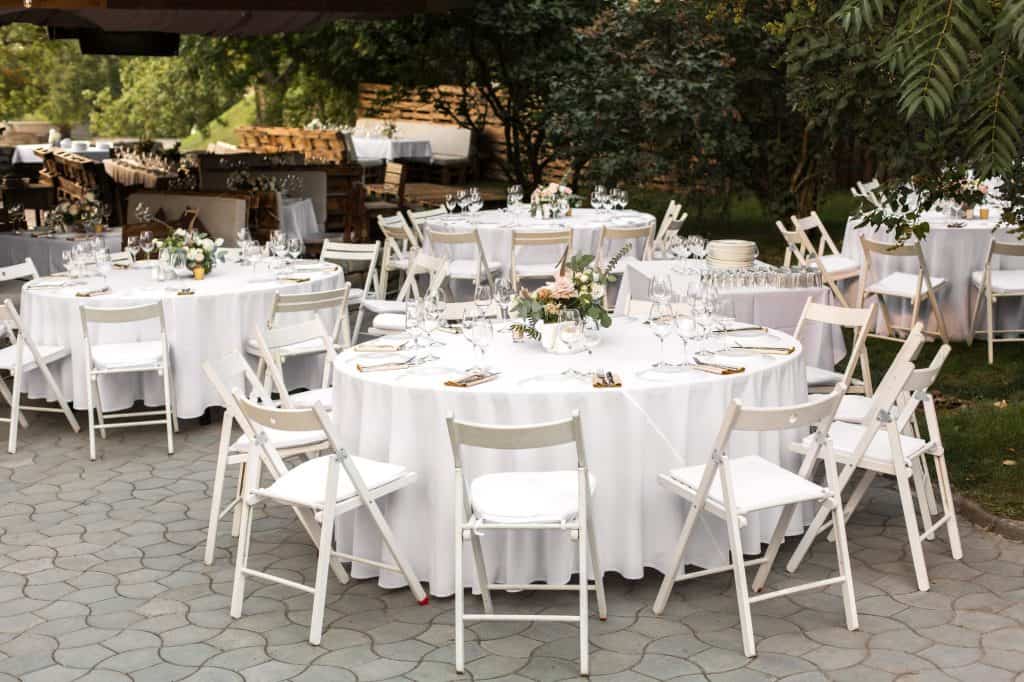
Planning the layout of outdoor wedding tables is like composing a symphony where each element plays in harmony with the beauty of nature. This guide isn't just about placing tables and chairs; it's about creating an environment that enhances intimacy, encourages conversation, and complements the natural landscape.
We'll explore how to balance aesthetics with practicality, ensuring every guest feels part of your special day, no matter where they're seated. Whether your venue is the beach, with its panoramic ocean views, a serene garden filled with the scents of blooming flowers, or a majestic mountain clearing under the open sky, we'll provide the tools and tips to tailor your table layout perfectly to your setting.
From considering the terrain and maximising scenic views to integrating your wedding theme and optimising guest interaction, this blog will help you navigate the nuances of outdoor wedding planning. Join us as we lay the groundwork for a memorable celebration, where every table setting tells a story and every seat offers a view, ensuring your wedding is as breathtaking as the love it celebrates.
Table of Contents
Embrace The Venue's Natural Charm
Taking use of the outdoors is the first order of business when organising an outdoor wedding. Whether it's a lush garden, a serene beach, or a majestic forest, the natural surroundings offer a unique backdrop that can significantly enhance the romantic atmosphere of your wedding. Think about the time of year and the weather forecast when selecting a location for your wedding so that it is both beautiful and comfortable.
Lighting: Setting The Mood
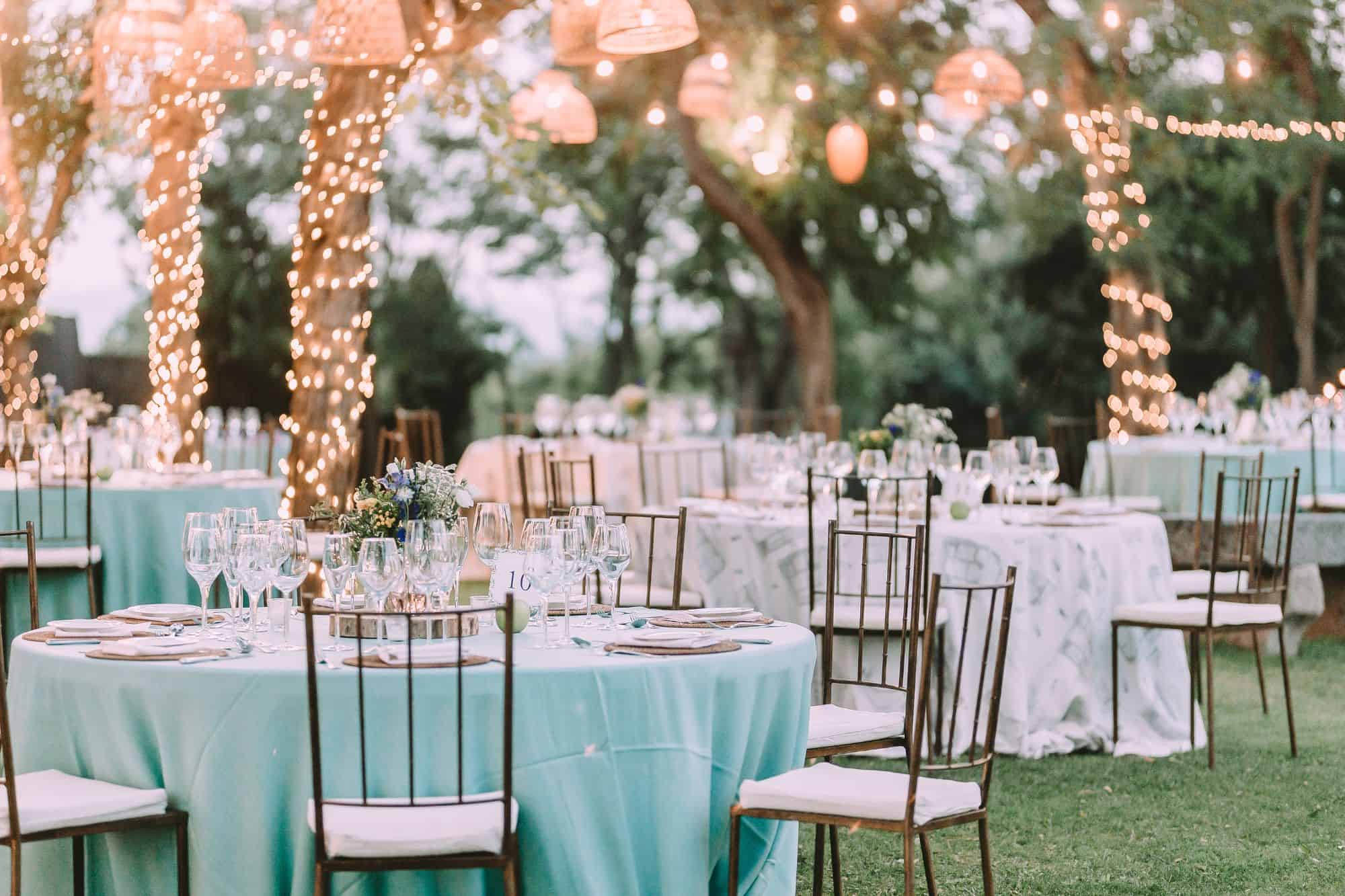
Lighting is a powerful tool in defining the space and setting the mood for your outdoor wedding. The appropriate illumination, such as lanterns, candles, and fairy lights, may turn any space into a magical one. Use string lights to create intimate spaces within the larger venue, and consider candles or lanterns to line the aisle for a magical touch. Lighting illuminates the space and adds warmth and romance to the atmosphere.
Floral And Fabric Decorations
Flowers and fabrics are essential elements in creating an intimate outdoor wedding space. Floral arrangements can add colour, fragrance, and beauty to the venue, while fabrics can create softness and elegance. Consider creating a flower chandelier or using draping to define different areas within the venue. Arches decorated with flowers or fabrics can serve as a stunning focal point for the ceremony.
Practical Considerations
Practical considerations are key when transforming an outdoor space into a wedding venue. Ensure the venue can access essential amenities such as water, electricity, and restrooms. If the venue is large, consider making it feel more intimate, such as using tents or marquees to shelter guests from the elements. Remember to provide comfortable seating arrangements and consider the terrain when advising guests on appropriate footwear.
Personal Touches
Your outdoor wedding site may become uniquely yours with the addition of personal touches to the decor. Incorporate elements that reflect your personality and love story, such as personalised signage, family heirlooms, or DIY decorations. These details personalise the space and create a more intimate and memorable experience for you and your guests.
Deciding On The Table Shapes And Sizes
Understanding Your Vision And Guest Count
Your wedding vision is the cornerstone of your table selection process. Consider the atmosphere you wish to create: intimate, cozy, or grand and inclusive. The number of guests you're expecting will also play a crucial role in determining the number and type of tables you'll need. A clear understanding of your guest count and venue capacity will guide you in choosing a layout that accommodates everyone comfortably while aligning with your envisioned theme.
Venue Limitations And Table Shapes
Every venue has unique limitations, including space constraints and available amenities. Consult with your venue and possibly a rental company to understand what table shapes and sizes can be accommodated.
While round tables are traditional and can fit more guests in a smaller space, rectangular tables offer a modern look and facilitate easier conversation among guests seated across from each other. On the other hand, square tables provide a contemporary feel and work well in most spaces, offering flexibility in layout design.
The Aesthetic Appeal Of Different Table Shapes
The shape of your tables can significantly influence the reception's overall aesthetic. Rectangular tables, for example, can create a sense of elegance and continuity, especially when arranged end-to-end. They are ideal for outdoor receptions where space allows for creative layouts.
Round tables offer a classic and cohesive look, promoting guest interaction. For a unique and visually striking option, consider serpentine tables, which can add a dynamic element to your layout and make large spaces feel more intimate.
Budget And Amenities
Your budget will inevitably influence your table choice. Round tables might be more cost-effective, especially if your venue provides them. However, rectangular tables, while potentially more expensive due to requiring more space and additional linens, can elevate the look of your reception.
Remember to account for the need for extra amenities such as portable restrooms, generators, and heating or cooling options, depending on your venue's facilities and the season of your wedding.
Personalising Your Space
Ultimately, the tables you choose should reflect your style and the unique atmosphere you wish to create for your wedding. Mixing table shapes can add depth and interest to your layout, allowing you to customise the space to your preferences. Consider alternating between different table shapes or incorporating a mix of sizes to create a tailored and engaging environment for your guests.
Optimising Seating Arrangements
Choosing The Right Seating Arrangement
The type of event you're hosting, whether it's a formal dinner or a casual reception, will dictate the best seating arrangement. Options include traditional round tables, which foster conversation and use space efficiently; rectangular tables for a modern, streamlined look; or a mix of both to add variety and accommodate different group sizes.
Consider the relationships and dynamics among your guests when deciding on seating to ensure a harmonious atmosphere.
Incorporating Creative Solutions
To maximise seating and enhance the ambience, consider incorporating lounge areas with comfortable seating options like sofas and ottomans. These areas can serve as relaxed gathering spots for guests wanting a break from the dance floor. Additionally, using different table shapes and sizes can add visual interest and make the best use of available space.
Streamlining RSVPs And Seating Assignments
An efficient management of RSVPs and seating assignments is crucial for optimising seating arrangements. Use online tools or wedding planning software to streamline the process, ensuring you have an accurate guest count and can plan seating accordingly. Consider creating a seating chart that reflects guest preferences and any special accommodations needed.
Embrace Flexibility In Seating Arrangements
Consider incorporating various seating styles to accommodate different guest needs and preferences. From classic round banquet tables that encourage social interaction to long banquet tables for a more communal feel, each option offers unique benefits. Round tables facilitate guest conversation, while long tables accommodate more guests and offer design flexibility.
Optimise Space With Strategic Layouts
Theatre-style seating is perfect for the ceremony, offering all guests a clear view of the exchange of vows. For the reception, a mix of cabaret-style seating near the stage and banquet seating throughout the venue can create dynamic spaces for both dining and entertainment. Utilise the natural landscape to dictate the flow, placing tables in areas that naturally lead guests through the venue.
Incorporating The Natural Landscape
Incorporating the natural landscape into your outdoor wedding table layout enhances the beauty of your celebration and creates a harmonious blend between elegance and the natural world.
Vibrant Colors And Elegant Touches
Incorporate vibrant colours through napkins or table runners to add life to your tables. Pair these with elegant gold cutlery to introduce a touch of sophistication. The contrast between the vivid colours and the natural greens of the outdoors creates a visually stunning setup that captivates and delights.
Natural Elements As Centerpieces
Use natural wreath runners or botanical centrepieces to create an organic table feel. Opt for arrangements that reflect the local flora, adding authenticity and a sense of place to your celebration. These elements decorate your tables and pay homage to the natural beauty surrounding your venue.
Utilise Natural Materials
For placemats and other table decor, choose materials that echo the environment. Rattan, woven grass, or wood can add texture and depth to your table settings, reinforcing the connection to nature. These materials blend seamlessly with the outdoors, enhancing the overall aesthetic of your wedding.
Lighting To Enhance The Mood
Incorporate gold candle holders with green taper dinner candles to add warmth and romance as the evening progresses. The soft glow of candles complements the natural lighting, creating an enchanting atmosphere that invites intimacy and celebration.
Outdoor-Inspired Decorations
From chic backdrops of translucent fabric to flower walls filled with blooms, integrate decorations that celebrate the outdoors. Consider romantic quote signs that reflect the beauty of nature or create a fabric canopy to add a dreamy, ethereal touch to your outdoor setting.
Embrace The Outdoors In Every Detail
Incorporate elements like potted plants or trees, adding life and vibrancy to your tables. Consider relaxed outdoor seating to create a comfortable and inviting space for guests to enjoy the natural setting.
Facilitating Movement And Flow
Facilitating movement and flow in your outdoor wedding table layout is essential for creating a seamless and enjoyable experience for your guests. Here are some strategies to ensure your outdoor wedding is beautiful and functional, allowing guests to move freely and comfortably throughout the celebration.
Enhance Guest Interaction
U-shape or conference seating arrangements can be used for smaller, more intimate gatherings, promoting guest interaction. Consider placing the top table or sweetheart table to ensure the newlyweds are visible and accessible, enhancing the sense of community and celebration.
Consider The Guest Experience
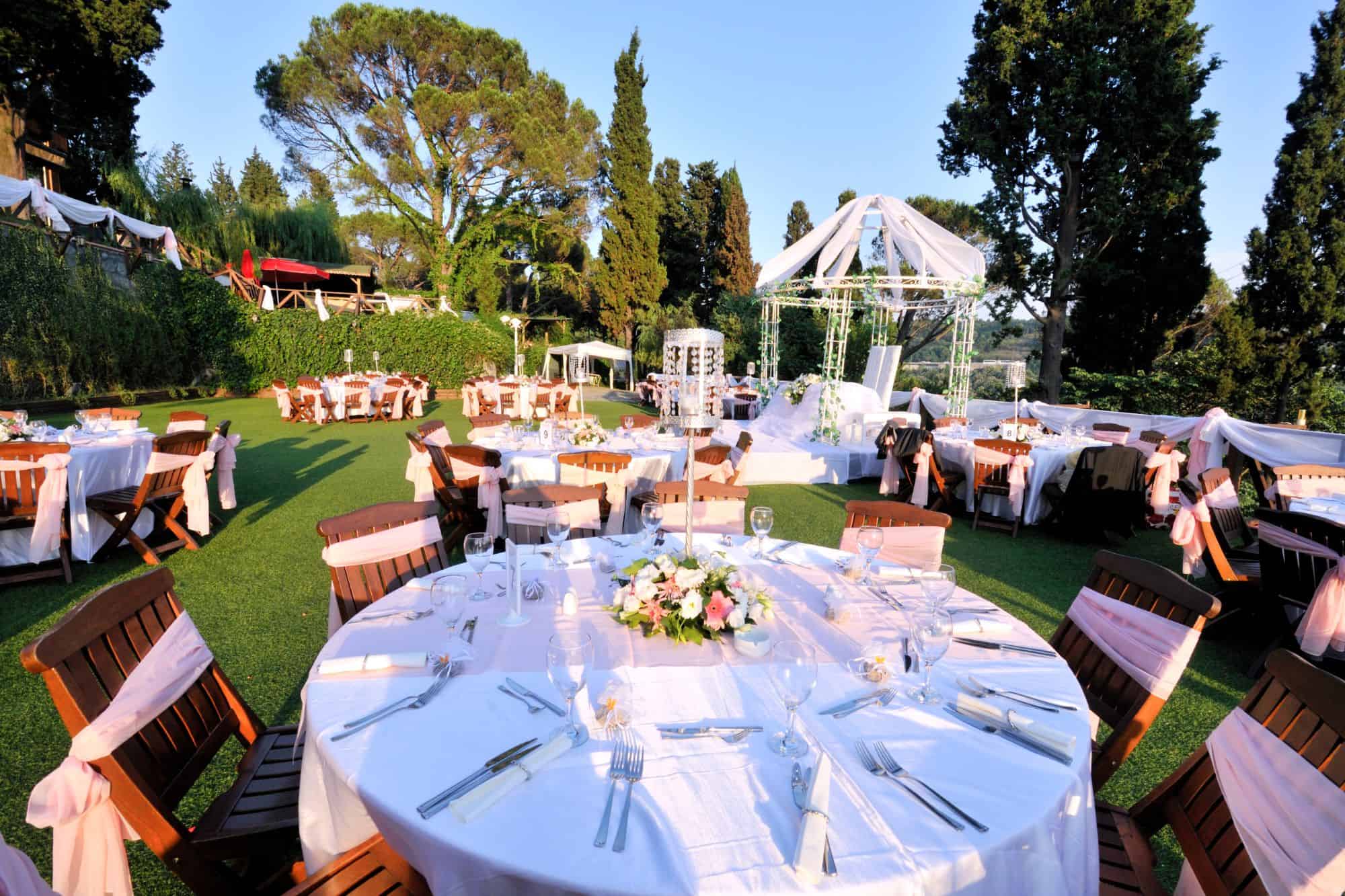
Beyond aesthetics, think about the guest experience when planning your seating arrangements. Ensure ample space between tables for guests to move comfortably, and consider the line of sight to the main events, such as speeches or the dance floor. Lounge areas with casual seating can offer guests a place to relax and converse away from the main action.
Utilise Natural Elements
Incorporate natural elements into your seating plan to harmonise with the outdoor setting. Use the landscape to create natural pathways and gathering areas, and consider the position of the sun and shade when arranging seating to maximise guest comfort.
Movement And Flow
Encourage movement and flow by strategically placing food and beverage stations, entertainment, and interactive elements around the venue. This prevents congestion in any area and invites guests to explore and enjoy the entire space.
Conclusion
The blog post "How To Plan An Outdoor Wedding Table Layout" tells you everything you need to know about setting up wedding tables outside. It stresses how important it is to find a balance between style and function so that every guest feels like they are a part of the party. The post talks about many things related to planning an outdoor wedding, such as how to enjoy the natural beauty of the location, lights, flower and fabric decorations, useful tips, and personal touches.
The first thing to do is to think about the venue's lights, natural charm, and special touches. Lighting can set the scene and make the space feel magical, and flower arrangements can add style and colour. Access to basic services, comfy seating, and taking terrain into account when recommending shoes for guests are all practical things to think about.
The next step is to choose the size and shape of the table. Knowing your vision and the number of guests you expect is important for picking a plan that works for everyone and fits with your theme. Each location has its own rules, so talk to your hire company and venue about the table sizes and shapes.
The way the reception looks as a whole can be greatly affected by the shapes and styles of the tables. Elegant and continuous spaces can be made with rectangular tables, while conversational spaces and a sense of continuity can be made with round tables. The budget and the services available also affect the choice of table. If the place offers round tables, they are the most cost-effective option.
The tables you choose for your wedding should match your style and make the room feel unique. Mixing table forms can make the plan more interesting and give it more depth. Depending on the event, you can also change how people are seated. Adding lounge areas with sofas and ottomans and other soft seats can make the mood better. Managing RSVPs and spot orders well is essential for getting the best seating arrangements.
Seating setups should be flexible, so use a variety of styles to meet the wants of all your guests. For the wedding, theater-style seating works best. For dinner and entertainment, cabaret-style seating near the stage and banquet seating all over the venue can make for interesting places.
Including the natural scenery in the plan of your outdoor wedding tables makes the event more beautiful. Tables come to life with bright colours and classy touches, like natural flower runners or floral centrepieces. Using rattan, woven grass, or wood can make table sets more natural by adding structure and depth and making the link to nature stronger.
When you put green taper dinner candles in gold candle stands, the lighting will improve the mood. Decorations that look like they belong outside, like flower walls or sets made of see-through fabric, can also add warmth and charm.
Moving and flowing through your outdoor wedding table plan is important for making sure that everyone has a smooth and enjoyable time. For smaller groups, U-shaped or conference-style chairs can help people talk to each other more. Think about how the guests will feel by making sure there is enough room between tables, thinking about how to get to the main events, and planning where to put food and drink stations, entertainment, and interaction elements around the venue.
Content Summary
- Planning outdoor wedding tables is an art form, blending elements in harmony with nature.
- Our guide goes beyond just placing tables and chairs; it's about enhancing intimacy and complementing the landscape.
- We provide tools and tips to tailor your table layout perfectly to any outdoor setting.
- Whether your venue is a beach, garden, or mountain, we'll help you maximise scenic views.
- We explore balancing aesthetics with practicality, ensuring all guests feel included.
- Every table setting tells a story, contributing to a memorable celebration.
- Embracing the venue's natural charm is essential for an outdoor wedding.
- The right lighting, like lanterns and fairy lights, sets the mood and adds magic.
- Floral and fabric decorations add colour, fragrance, and elegance.
- Practical considerations ensure the venue is comfortable and accessible.
- Personal touches make the space uniquely yours, reflecting your personality and story.
- Understanding your vision and guest count is crucial for deciding table shapes and sizes.
- Venue limitations influence the choice of table shapes and arrangement.
- The aesthetic appeal of different table shapes impacts the overall look of the reception.
- Budget and amenities are practical considerations affecting table choice.
- Personalising your space with mixed table shapes adds depth and interest.
- Choosing the right seating arrangement is dictated by the type of event.
- Creative solutions, like lounge areas, maximise seating and enhance ambiance.
- Streamlining RSVPs and seating assignments optimises arrangements.
- Various seating styles accommodate different guest needs and preferences.
- Strategic layouts optimise space and enhance the celebration.
- Incorporating the natural landscape adds beauty and harmony.
- Vibrant colours and elegant touches in table decor create visual appeal.
- Natural elements as centerpieces celebrate the local flora.
- Using materials like rattan or wood in table settings enhances the connection to nature.
- Candlelight adds warmth and romance, complementing natural lighting.
- Outdoor-inspired decorations, like flower walls, celebrate the beauty of nature.
- Elements like potted plants or trees add life to table settings.
- Facilitating movement and flow ensures a seamless guest experience.
- Enhance guest interaction with strategic seating arrangements.
- Consider the guest experience, ensuring comfort and good sightlines to events.
- Utilise natural elements in seating plans to harmonise with the outdoor setting.
- Encourage movement with strategically placed stations and entertainment.
- Lighting strategies create intimate spaces and magical touches along aisles.
- Tents or marquees can shelter guests and make large venues feel intimate.
- Rectangular tables offer a modern look and facilitate conversation.
- Round tables are traditional and promote guest interaction.
- Serpentine tables add a dynamic element to the layout.
- Mixing table shapes allows customisation of the space to preferences.
- The choice of flowers and fabrics can significantly influence the wedding's ambiance.
- Consider the terrain and advise guests on appropriate footwear.
- Personalised signage and DIY decorations add a memorable touch.
- Portable restrooms and generators may be necessary depending on the venue.
- Online tools can streamline management of RSVPs and seating assignments.
- Lounge areas offer a break from dancing and encourage mingling.
- The natural backdrop of the venue enhances the romantic atmosphere.
- The time of year and weather forecast are important considerations for venue selection.
- Comfortable seating arrangements are crucial for guest satisfaction.
- Floral chandeliers or draping define areas within the venue with elegance.
- A clear understanding of your guest count informs the layout, accommodating everyone comfortably.
Frequently Asked Questions
The choice of table shape and arrangement depends on your wedding's overall theme, the space available, and the level of intimacy you wish to create. Round tables are popular for encouraging conversation and are ideal for more traditional, formal weddings. Rectangular tables can offer a more communal feel and work well for rustic or family-style settings. Consider the layout of your outdoor space and how each table shape will fit within it; for example, if you have a long, narrow area, rectangular tables might fit better than round ones.
Consider factors like the sun's direction, potential wind, and uneven ground when planning your outdoor table layout. Position tables so guests aren't facing directly into the sun during key moments like the ceremony or speeches. If wind is a concern, avoid lightweight decorations that could easily blow away. Choose tables and chairs that can be adjusted or stabilised for uneven terrain to prevent wobbling.
Use the natural beauty of your venue as a backdrop for your tables. Arrange seating to maximise views of scenic highlights, like a waterfront, mountains, or flower gardens. Consider the paths guests will take through the space and how you can guide them through the most beautiful areas. If there are trees or other natural features, consider how tables can be arranged around them, possibly using their shade or incorporating them into your decor.
To ensure everyone has a good view, especially during key moments like exchanging vows or toasts, consider elevating those areas or using a circular or semi-circular table arrangement around the focal point. Avoid tall centrepieces that might block views across tables, and consider varying the height of decor elements to create visual interest without obstruction. For larger weddings, screens or live feeds can be set up so guests seated further away can still see the action.
Always have a backup plan for inclement weather. This could involve having a tent on standby, ready to be set up if the forecast turns, or choosing a venue with an indoor option that can accommodate your entire setup if needed. When planning your layout, consider how quickly and easily tables and other elements can be moved indoors or under cover. Additionally, consider using table decor and place settings that are secured against the wind, and have a plan for protecting or quickly moving any sensitive decorations.
