
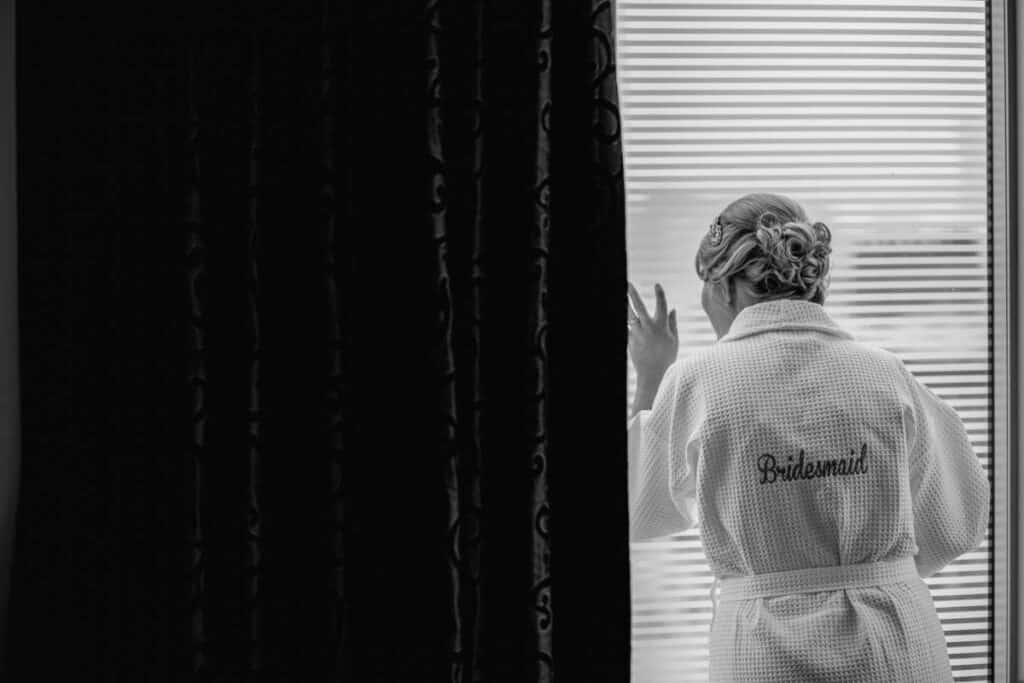
Sometimes, the bride will feel that she does not need a bridal party. Tradition dictates that brides surround themselves with their closest female relatives and friends. However, there are times when you might want to skip having a bridal party altogether.
Check out our extensive list of Hens Party Ideas for your bestie. If you want this, your wedding should be a religious ceremony or a secular celebration.
Table of Contents
FAQs About Bridal Party
A bridal party is a group of people chosen by the couple to participate in the wedding. Traditional bridal party roles include the bridesmaids, groomsmen, flower girls, and ring bearers. It's important to remember your wedding is yours.
To keep things simple, those in your wedding party should be your best friends, siblings, and perhaps a close family member or two.
Help plan, pay for, and attend all wedding-related events the bride is involved in. Contribute their opinions on bridesmaid dresses (if invited to). Assist the maid of honour with any dilemmas the bride faces throughout the process. Lend a hand with wedding decor tasks and DIY projects.
Often, the maid of honour and her fellow bridesmaids throw the bridal shower and pay for it, and the mother of the bride contributes. With this, the bridal party pays for the bridal shower for the most part and split the price, but the parents of the bride may contribute some part of the expenses.
What Should I Do If I Don't Have a Bridal Party?
It's very acceptable for couples to forego the traditional bridal party.
Some couples may opt-out of having bridesmaids or groomsmen because they already have so many close friends and don't want to risk offending anyone or because they would rather put the spotlight on their own relationship than on those of their loved ones.
No of the reason, if you don't want bridesmaids or groomsmen at your wedding, it's important to communicate that to the people who might have expected to be a part of the bridal party.
So, What Happens If There Is No Bridal Party at the Wedding?
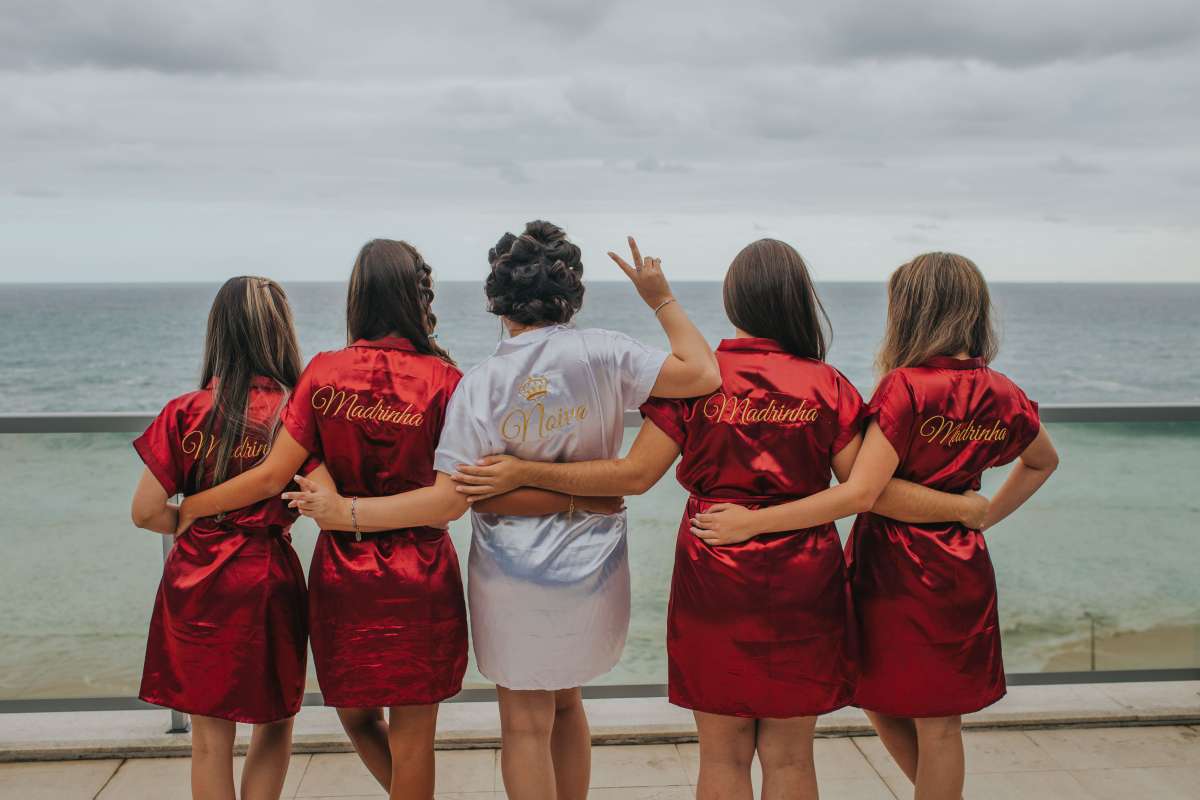
More and more modern couples eschew the conventions that have traditionally driven wedding planning in favour of creating events that reflect who they are as a couple.
While we're all for couples doing whatever makes them happy on their big day, it's important to remember the domino impact that one decision may have when organising the reception and any other events leading up to the ceremony.
If you and your partner want to keep things simple and elegant on your wedding day, skipping the bridal party is one option, but remember that this may impact other parts of the ceremony.
This is not to discourage anyone from deciding against having a bridal party but rather to ensure that you have all the facts before the big day.
If You Don’t Really Need a Bridal Party, Consider Skipping It.
It’s Safe to Say That You Hate Drama.
Your decision to omit attendants could be huge assistance if your main priority for the big day is to reduce stress.
The planning process just got a lot easier because there are no schedules to coordinate, competing fashion preferences to accommodate, or tedious "reminder!" emails to compose.
It's unusual to have a wedding celebration that is completely free of problems, hassles, and tension.
It's becoming increasingly common for engaged couples to forego assigning formal responsibilities to members of their wedding party in favour of keeping the celebratory aspects of the event intact.
You Have a Limited Amount of Funds Available.
It's common knowledge that attending a wedding as a bridesmaid may rack up a hefty bill.
But here's a fact that few people consider: it's also more costly for the bride and husband!
The couple can save money on party costs, including bouquets, presents for the bridal party, and decorations.
It makes financial sense for a bride on a tight budget to forego having a bridal party, and it's a win for her friends, too, because they won't have to pay for the privilege of being bridesmaids.
You Would Like There to Be No Distractions.
To you and your intended, this is your special day. The recognition of those who helped you along the journey is appreciated but not required.
The most important aspect of this special day is the celebration of your love and dedication to one another.
Who among your friends would oppose you and your future spouse sharing a moment alone at the altar?
What to Expect from a Wedding Without a Bridal Party
In this article, we weigh the benefits of having bridesmaids at your wedding against the drawbacks to help you make an informed decision.
Advantage: It's a Wonderful Way to Remember Loved Ones
It's a huge deal when you're invited to be a bridesmaid, especially when only a select few people are given that honour.
Inviting the women who have been there for you through thick and thin to be your bridesmaids is a huge honour because they truly want the best for you and want to see you happy on your wedding day.
By asking them to be your bridesmaids, you are symbolising the ways in which they have contributed to your development.
You’ll Need to Make Financial Preparations.
The bride usually foots the bill for the bridesmaids' gifts, hair and makeup, the bouquet they'll carry down the aisle, etc., even if the girls themselves paid for their dresses.
The cost of buying unique presents for all of your guests might quickly pile up.
Having a smaller wedding party allows you to allocate more of your wedding budget towards other expenses, such as professional photography.
Plus: It Provides Additional Emotional Support.
One of the greatest advantages of having bridesmaids is having extra support leading up to one of the most critical events of your life.
In the morning, when you're getting ready, right before you walk down the aisle, when you say your "I dos," and at neighbouring tables throughout your reception, having a group of your closest friends and family nearby will help you feel more at ease and enjoy your special day.
You should think about the emotional support the bridesmaids can give you on your wedding day when nerves and stress could get better.
As a Negative, It Can Foster Animosity and Misunderstanding.
Even if you have a harmonious friendship with all of your gal buddies, that doesn't mean they all get along. This is especially true if you're bringing together different demographics of friends, such as high school and college friends.
Even on a regular day, a room full of people with differing viewpoints and personalities can be stressful; on your wedding day, it can be downright overwhelming.
While it's true that your bridesmaids want what's best for you, too many suggestions can make it difficult to settle on a wedding plan.
Favourable: There Will Be More People to Assist
You won't have to do much of anything, as the bridesmaid's duties often consist of organising the bridal shower and bachelorette party.
This also applies to day-to-day responsibilities. Even while you probably don't want to put your bridesmaids to work on your wedding day, they will come in handy if you have any urgent tasks or unexpected problems to solve.
Do you need some temporary repairs but didn't remember bringing the double-sided tape? Send one of the maids of honour out to get some necessities.
Concerned that you won't have time to eat or drink enough water on your wedding day? Choose a bridesmaid to keep you company on the big day and to remind you to eat and drink.
Potentially Offending Others' Sentiments.
Tensions might arise while determining which members of your inner circle of friends and family will be left off your bridesmaid list.
Avoiding the potential drama and damaged feelings that could arise from having to ask specific friends to be bridesmaids by having no bridesmaids at all is the best way to ensure that your friendships remain strong and unbroken on your wedding day.
No wedding party is necessary to make a wedding as lovely as any other wedding we've witnessed.
Even though you won't have the traditional photos of your bridesmaids and groomsmen, you'll have more time and energy to devote to other aspects of your big day.
Ultimately, it's up to you, and just like every other aspect of your wedding day, you should do what feels right for you and your partner.
Here's What to Anticipate
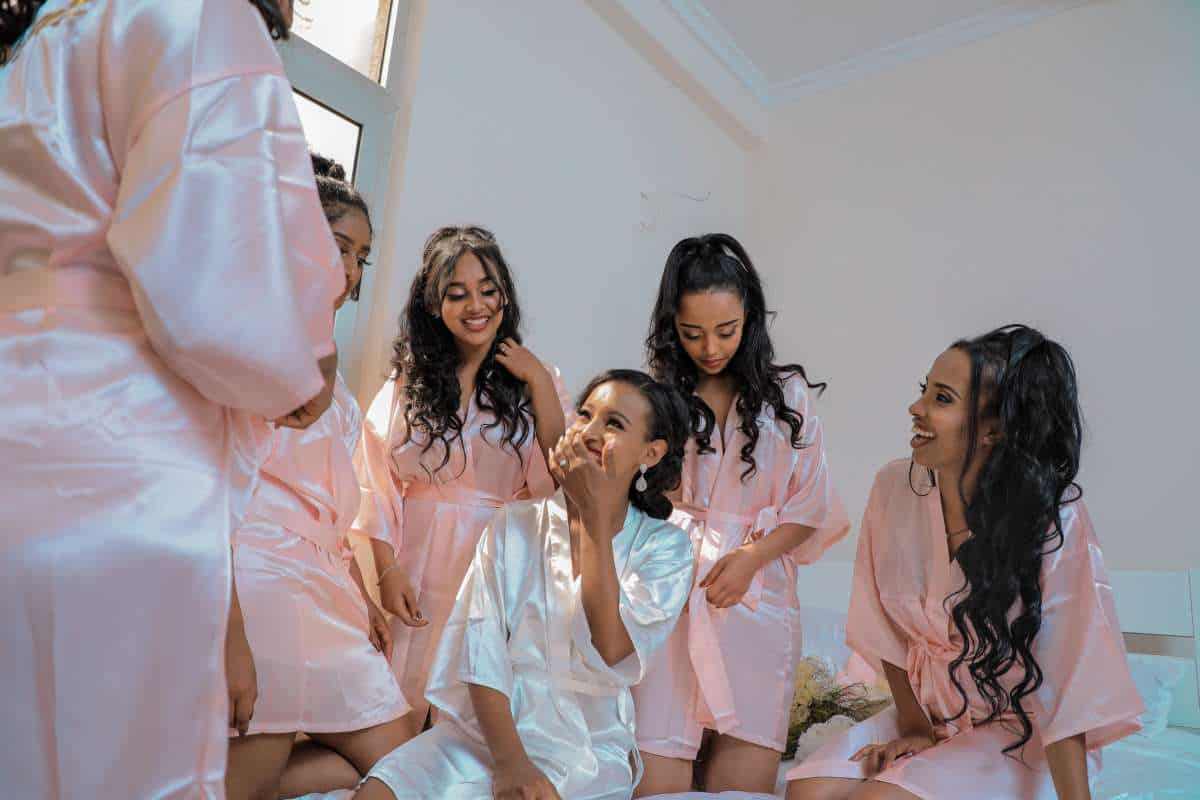
Even if bridal parties are unneeded, the men and women that traditionally make up these groups are sometimes tasked with carrying out certain responsibilities.
Looking for the ultimate Wedding Reception Venue in Melbourne? Look no further, Vines of the Yarra Valley is here.
There is no "law of the land" for event planning because there is no wedding party to delegate tasks to. You'll have to throw your own bridal shower or ask a friend or relative to throw you one if you want one.
Ensure your close friend or parent knows exactly what you expect from them to avoid misunderstandings. Even if you might not give a second thought to being alone on your wedding day, your closest friends might feel otherwise.
Watch out for people's sentiments becoming harmed and look for new ways to show appreciation to them.
A modest gesture, such as asking them to do a reading, acknowledging them in the programme, or inviting them to get ready with you that morning, can go a long way towards maintaining morale.
The alternative to having no wedding party is to have a group of friends or family to help you celebrate. It's like a vacation, but without stress.
Do you want to know how a wedding would differ when there is no bridal party? Some things to consider changing if you're not inviting a bridal party:
Where Is the Bouquet Holder?
If you don't have any bridesmaids in your bridal party, you won't be able to execute the traditional bouquet toss with the maid of honour.
You still plan to have your special guests sit up front, even if there is no bridal party.
When you and your partner are saying your "I dos," have a close friend, sibling, or family member hold your bouquet. Just make sure they know about this responsibility ahead of time.
The question is, "Who Has the Rings?"
Similarly, nobody wants to entrust the little ring bearer with the wedding rings until the moment comes for them to be exchanged at the ceremony.
When there is no bridesmaid or groomsman at the ceremony, the rings might be given to the officiant to hold.
As if the groom turning around to get them from his best man wasn't enough of a smooth transition enough, this should be the case on the wedding day.
Measurement of the Procession's Duration.
While this may be a positive for some couples, it does mean that neither the bride nor the groom will have any attendants to go down the aisle with them.
One possible area where your preparations could be impacted is in picking out music for the wedding procession. One song is usually chosen for the bride, another for the wedding party, and a third for any family members or guests that could be present.
There probably won't be enough time for the two of you to walk down the aisle together, and you may have to schedule the ceremony song so that your favourite part plays as you make your entrance.
There's no need to dismiss the concept here completely; it's just something to think about while you arrange the nuptials.
There Is No ‘Ready Army’ That Springs Into Action on Its Own.
If you don't have bridesmaids, don't feel like you have to get ready yourself if that's not what you prefer.
We're here to tell you that even if you're having a wedding without bridesmaids, you can still have your photographer capture those beautiful "getting ready" images.
On the big day, you may want your sisters or closest friends to help you get ready by doing your hair and makeup. However, having professionals take care of your appearance may be uncomfortable if you don't provide similar services to them.
Avoiding a wedding party may have been an attempt to minimise the potential for hierarchical problems that can arise when a group of close friends or family members celebrate a major life event together. Make your closest friends who are helping you get ready for the ceremony feel appreciated, even if you choose not to have bridesmaids.
Is It Too Late for Me to Throw a Bachelorette Party?
The good news is that a bachelorette party is still an option if you opt out of a wedding party. Guests at a bachelorette party today can be anyone, not just bridesmaids (even for weddings with bridal parties).
As opposed to more formal gatherings, like a rehearsal dinner, this pre-wedding celebration is a wonderful way to invite all of your closest friends, even if they aren't participating in the wedding itself.
Because you won't have bridesmaids or a maid of honour, who would normally organise the party, you'll have to do so alone, or perhaps a sibling or close friend would volunteer to help. The same holds true for grooms; a bachelor party can go on without the groomsmen if the groom so chooses.
Could I Get Married Without a Wedding Party?
Weddings are about the bride and groom, so if you don't want bridesmaids for whatever reason (cost, lack of interest, fear of drama, etc.), that's fine.
It seems like there is a marriage that doesn't have a bridal party for everyone that does.
The use of a flower girl or ring bearer is optional and can be done either as part of the ceremony or as part of the reception.
The selection of bridesmaids, the selection of bridesmaids' attire, and the planning of this aspect of the wedding ceremony may be something that some brides look forwards to, but if this is not the case for you, don't make yourself go through with it.
You should follow your instincts and pick the path that will lead to your greatest happiness. Your pals may be more interested in just being "in attendance" at the wedding and having a good time than in playing any significant role in the ceremony.
Is There a Particular Reason Why Skipping the Bridal Party Has Become So Popular?
Couples who choose this path typically have an extensive wedding and party experience. They use this approach since they are aware of how time-consuming attending a wedding can be.
They don't want to do the same thing their friends' bridal parties have done in the past: grumble about the expense, time commitment, and general experience of being in a wedding.
Is That Something You’d Support? Is There Anything Better Than Not Having Helpers?
For the less-than-critical couple that doesn't want much fanfare, skipping the bridal party is a great choice. The last thing most couples want is the kind of turmoil that might arise from having a lot of relatives and friends in attendance at their wedding.
Do Any Drawbacks Exist?
The downside of not having a wedding party is that you won't have anyone to help you with the details leading up to the big day, like planning the bachelorette and bridal shower or picking out the menu and flowers.
Even if not formally organised, many close friends will do this anyhow. You don't get to spend that special morning with your closest friends, but you do avoid the drama that often comes along with that time.
That Is to Say, a Wedding With No Bridal Party Will Likely Be Much Less Stressful Than One With a Bridal Party.
The wedding day will go more smoothly if the bridal party is tiny or nonexistent. You don't have to rush to get everyone else ready for pictures and get your hair and makeup done.
There will inevitably be problems with hair and cosmetics during the wedding, and the last thing you need is for one of your bridesmaids to be unhappy with her hair.
Do you have any suggestions for couples who are set on having wedding parties but want to minimise the associated stress and potential for drama? The bridal party should be given as much leeway as possible.
Include them in the process of determining their attire, the number of pre-wedding events they must attend, the style and colour of their hair, and the hue of their nails.
When people have their freedoms severely curtailed, they naturally become defensive, leading to an overall more tense day.
Many bridal party members would prefer to sit alongside their partners at the reception supper rather than at a separate head table reserved for the wedding party only.
It's common for guests to feel bad if their partners are seated with strangers during a wedding meal. Asking your bridal party whether they wish to participate is another important but frequently forgotten detail. Try not to jump to conclusions.
Although being invited is a huge honour, not everyone can accept such a responsibility.
Although they would want to participate in the day, they recognise that they would be better suited as a frequent guest because of other commitments (such as a new infant, a recent house purchase, or a demanding job).
Check out our ultimate list of Wedding Planners in Melbourne to help you organise a stress-free wedding. The calmer you are about your bridal party, your day will be simpler.
Conclusion
Sometimes, you might not even want a bridal party. Because they already have so many close friends, some couples may choose not to have bridesmaids or groomsmen. Recently, it has become more usual for engaged couples to eschew traditional roles for their wedding party in favour of maintaining the focus on celebration. It's a tremendous compliment to have bridesmaids at your wedding, but the added expense won't go unnoticed by the bride and groom. The money saved by having a smaller wedding party can be used towards other parts of the event, like the photographer.
Finding one-of-a-kind presents for everyone on your guest list could end up being expensive. If the bride is strapped for cash, she can save money by not having a bridal party, and her friends can benefit because they won't have to chip in for the festivities. The wedding was just as beautiful as any other wedding we've been to, and we didn't even have a wedding party. The lack of the customary photographs of your bridesmaids and groomsmen may be offset by the additional time and effort you will have to dedicate to other areas of your wedding day. It's entirely up to you and your spouse; just as with any other portion of your wedding, it should be something you both enjoy.
We didn't have a wedding party, so we couldn't assign jobs to anyone. If you'd want a bridal shower, you'll need to either organise one yourself or persuade a friend or relative to do it. You can't have a bouquet throw with the maid of honour if you don't have any bridesmaids. Even if you're not having bridesmaids in your wedding, you may still have some lovely "getting ready" pictures taken. Even if you decide not to have a wedding party, you can still have a bachelorette party.
The groom, for his part, is free to host his bachelor party without the presence of his groomsmen. You don't have to have bridesmaids if you don't want them. This could be due to factors like as cost, lack of interest, aversion to drama, etc. A flower girl or ring bearer is not required but a lovely addition to any wedding ceremony or reception. Couples who don't care a lot about ceremony or ceremony details may want to consider forgoing the bridal party. Most couples don't want their wedding day to be marred by the chaos that could result from inviting a large number of guests.
It's important to offer the wedding party a lot of liberty. Don't leave them out of the conversation when deciding what they'll wear and how many pre-wedding activities they'll need to attend. When people's liberties are significantly restricted, they tend to react defensively, which can make for a tense day for everyone. However, not everyone is capable of taking on such a role and would be better served as a regular visitor instead.
Content Summary
- Sometimes, the bride will feel that she does not need a bridal party.
- Tradition dictates that brides surround themselves with their closest female relatives and friends.
- However, there are times when you might want to skip having a bridal party altogether.
- It's very acceptable for couples to forego the traditional bridal party.
- No of the reason, if you don't want bridesmaids or groomsmen at your wedding, it's important to communicate that to the people who might have expected to be a part of the bridal party.
- More and more modern couples eschew the conventions that have traditionally driven wedding planning in favour of creating events that reflect who they are as a couple.
- While we're all for couples doing whatever makes them happy on their big day, it's important to remember the domino impact that one decision may have when organising the reception and any other events leading up to the ceremony.
- If you and your partner want to keep things simple and elegant on your wedding day, skipping the bridal party is one option, but remember that this may impact other parts of the ceremony.
- This is not to discourage anyone from deciding against having a bridal party but rather to ensure that you have all the facts before the big day.
- Your decision to omit attendants could greatly assist if your main priority for the big day is reducing stress.
- It's unusual to have a wedding celebration that is completely free of problems, hassles, and tension.
- It's becoming increasingly common for engaged couples to forego assigning formal responsibilities to members of their wedding party in favour of keeping the celebratory aspects of the event intact.
- But here's a fact that few people consider: it's also more costly for the bride and husband! The couple can save money on party costs, including bouquets, presents for the bridal party, and decorations.
- It makes financial sense for a bride on a tight budget to forego having a bridal party, and it's a win for her friends, too, because they won't have to pay for the privilege of being bridesmaids.
- The recognition of those who helped you along the journey is appreciated but not required.
- The most important aspect of this special day is the celebration of your love and dedication to one another.
- It's a huge deal when you're invited to be a bridesmaid, especially when only a select few people are given that honour.
- Inviting the women who have been there for you through thick and thin to be your bridesmaids is a huge honour because they truly want the best for you and want to see you happy on your wedding day.
- By asking them to be your bridesmaids, you are symbolising the ways in which they have contributed to your development.
- The bride usually foots the bill for the bridesmaids' gifts, hair and makeup, the bouquet they'll carry down the aisle, etc.,
- Having a smaller wedding party allows you to allocate more of your wedding budget towards other expenses, such as professional photography.
- One of the greatest advantages of having bridesmaids is having extra support leading up to one of the most critical events of your life.
- You should think about the emotional support the bridesmaids can give you on your wedding day when nerves and stress could get better.
- Even if you have a harmonious friendship with all of your gal buddies, that doesn't mean they all get along.
- Even on a regular day, a room full of people with differing viewpoints and personalities can be stressful; on your wedding day, it can be downright overwhelming.
- While it's true that your bridesmaids want what's best for you, too many suggestions can make it difficult to settle on a wedding planner.
- You won't have to do much of anything, as the bridesmaid's duties often consist of organising the bridal shower and bachelorette party.
- This also applies to day-to-day responsibilities.
- Even while you probably don't want to put your bridesmaids to work on your wedding day, they will come in handy if you have any urgent tasks or unexpected problems to solve.
- Send one of the maids of honour out to get some necessities.
- Choose a bridesmaid to keep you company on the big day and to remind you to eat and drink.
- Tensions might arise while determining which members of your inner circle of friends and family will be left off your bridesmaid list.
- Avoiding the potential drama and damaged feelings that could arise from having to ask specific friends to be bridesmaids by having no bridesmaids at all is the best way to ensure that your friendships remain strong and unbroken on your wedding day.
- No wedding party is necessary to make a wedding as lovely as any other wedding we've witnessed.
- Even though you won't have the traditional photos of your bridesmaids and groomsmen, you'll have more time and energy to devote to other aspects of your big day.
- Even if bridal parties are unneeded, the men and women that traditionally make up these groups are sometimes tasked with carrying out certain responsibilities.
- There is no "law of the land" for event planning because there is no wedding party to delegate tasks to.
- You'll have to throw your own bridal shower or ask a friend or relative to throw you one if you want one.
- Ensure your close friend or parent knows exactly what you expect from them to avoid misunderstandings.
- Even if you might not give a second thought to being alone on your wedding day, your closest friends might feel otherwise.
- Watch out for people's sentiments becoming harmed and look for new ways to show appreciation to them.
- The alternative to having no wedding party is to have a group of friends or family to help you celebrate.
- It's like a vacation, but without stress.
- If you don't have any bridesmaids in your bridal party, you won't be able to execute the traditional bouquet toss with the maid of honour.
- You still plan to have your special guests sit up front, even if there is no bridal party.
- When you and your partner are saying your "I dos," have a close friend, sibling, or family member hold your bouquet.
- Just make sure they know about this responsibility ahead of time.
- Similarly, nobody wants to entrust the little ring bearer with the wedding rings until the moment comes for them to be exchanged at the ceremony.
- When there is no bridesmaid or groomsman at the ceremony, the rings might be given to the officiant to hold.
- As if the groom turning around to get them from his best man wasn't enough of a smooth transition enough, this should be the case on the wedding day.
- One possible area where your preparations could be impacted is in picking out music for the wedding procession.
- One song is usually chosen for the bride, another for the wedding party, and a third for any family members or guests that could be present.
- If you don't have bridesmaids, don't feel like you have to get ready yourself if that's not what you prefer.
- We're here to tell you that even if you're having a wedding without bridesmaids, you can still have your photographer capture those beautiful "getting ready" images.
- On the big day, you may want your sisters or closest friends to help you get ready by doing your hair and makeup.
- Avoiding a wedding party may have been an attempt to minimise the potential for hierarchical problems that can arise when a group of close friends or family members celebrate a major life event together.
- Make your closest friends who are helping you get ready for the ceremony feel appreciated, even if you choose not to have bridesmaids.
- The good news is that a bachelorette party is still an option if you opt out of a wedding party.
- Guests at a bachelorette party today can be anyone, not just bridesmaids (even for weddings with bridal parties). As opposed to more formal gatherings, like a rehearsal dinner, this pre-wedding celebration is a wonderful way to invite all of your closest friends, even if they aren't participating in the wedding itself.
- Because you won't have bridesmaids or a maid of honour, who would normally organise the party, you'll have to do so alone, or perhaps a sibling or close friend would volunteer to help.
- Weddings are about the bride and groom, so if you don't want bridesmaids for whatever reason (cost, lack of interest, fear of drama, etc.),
- that's fine.
- It seems like there is a marriage that doesn't have a bridal party for everyone that does.
- The use of a flower girl or ring bearer is optional and can be done either as part of the ceremony or as part of the reception.
- The selection of bridesmaids, the selection of bridesmaids' attire, and the planning of this aspect of the wedding ceremony may be something that some brides look forwards to, but if this is not the case for you, don't make yourself go through with it.
- You should follow your instincts and pick the path that will lead to your greatest happiness.
- Your pals may be more interested in just being "in attendance" at the wedding and having a good time than in playing any significant role in the ceremony.
- Couples who choose this path typically have an extensive wedding and party experience.
- They use this approach since they are aware of how time-consuming attending a wedding can be.
- They don't want to do the same thing their friends' bridal parties have done in the past: grumble about the expense, time commitment, and general experience of being in a wedding.
- For the less-than-critical couple that doesn't want much fanfare, skipping the bridal party is a great choice.
- The last thing most couples want is the kind of turmoil that might arise from having a lot of relatives and friends in attendance at their wedding.
- The downside of not having a wedding party is that you won't have anyone to help you with the details leading up to the big day, like planning the bachelorette and bridal shower or picking out the menu and flowers.
- Even if not formally organised, many close friends will do this anyhow.
- You don't get to spend that special morning with your closest friends, but you do avoid the drama that often comes along with that time.
- The wedding day will go more smoothly if the bridal party is tiny or nonexistent.
- You don't have to rush to get everyone else ready for pictures and get your hair and makeup done.
- There will inevitably be problems with hair and cosmetics during the wedding, and the last thing you need is for one of your bridesmaids to be unhappy with her hair.
- The bridal party should be given as much leeway as possible.
- Include them in the process of determining their attire, the number of pre-wedding events they must attend, the style and colour of their hair, and the hue of their nails.
- Many bridal party members would prefer to sit with their partners at the reception supper rather than at a separate head table reserved for the wedding party.
- It's common for guests to feel bad if their partners are seated with strangers during a wedding meal.
- Asking your bridal party whether they wish to participate is another important but frequently forgotten detail.
- Although being invited is a huge honour, not everyone can accept such a responsibility.
- Although they would want to participate in the day, they recognise that they would be better suited as a frequent guest because of other commitments (such as a new infant, a recent house purchase, or a demanding job). The calmer you are about your bridal party, your day will be simpler.
