

Once you've decided to start looking for a wedding dress, you'll likely have a long list of requirements. But how do you go about locating the ideal bridal gown for your figure? Appointments at most wedding salons are limited to one hour maximum. Of course, one hour is more than enough time to try on dresses, but you'll have a lot more relaxing and enjoyable time shopping if you can limit down your options before entering the dressing room. Check out Vines of the Yarra Valley wedding venue for your ultimate wedding reception.
To narrow down your search, you can select the ideal bridal gown for your body type by locating a silhouette that will play up your most attractive features while hiding any flaws. First, take a look at the descriptions of each of the five body types we've highlighted and choose the one that best fits your physical characteristics. Small, tall, wide, curvy, or skinny and straight. Keep in mind that you probably don't fall neatly into any one group; the vast majority of people can't.
Table of Contents
FAQs About Wedding Dress
A bride can purchase elastic shapewear which she can put on underneath her dress to more evenly distribute belly fat across her midsection. She can purchase shapewear that slims her waist and sides but also thigh slimmers that will redistribute weight on the lower parts of her body.
For brides with hourglass figures, a mermaid gown is a MUST. This silhouette is designed to flatter and play up your natural curves. With a snug fit around the hips and ultra-fitted neckline, this is one of many different wedding dress styles for body types.
What are the most flattering wedding dress silhouettes for plus-size brides? Some of the most flattering wedding dress silhouettes for plus-size brides are A-line, mermaid, ball gown, and sheath gown. That said, brides should always feel empowered to experiment with all different types of silhouettes.
A-line dresses are one of the most popular dress styles because they are flattering on almost any body type. The term “A-line” can also describe any dress that has a hem much wider than its shoulders, regardless of a cinched waist or corset-style top, or an A-line skirt that sits just above your hips and flares out.
In terms of best dresses to suit your body shape, A-line or fit and flare skirts are the most flattering pear shaped dresses, they skim past your hips and won't cling to the widest part of your body. Wrap dresses can also be great dresses for pear shapes, as they cinch you in at the waist creating a slim silhouette.

Finding the perfect wedding dress for your body type is essential, but there are other ways to streamline the process. The first piece of advice is to have faith in your consultant and to try on dresses that may be outside of your usual style. Moreover, go shopping with a group of people who will encourage you. Miss Pessimist has no right to be a member of the elite "yes or nay" squad. Finish up with some hair and makeup. Putting yourself in the mindset of a bride who is going to be wearing one of these dresses on her wedding day will be lot easier if you don't appear like you just got out of bed.
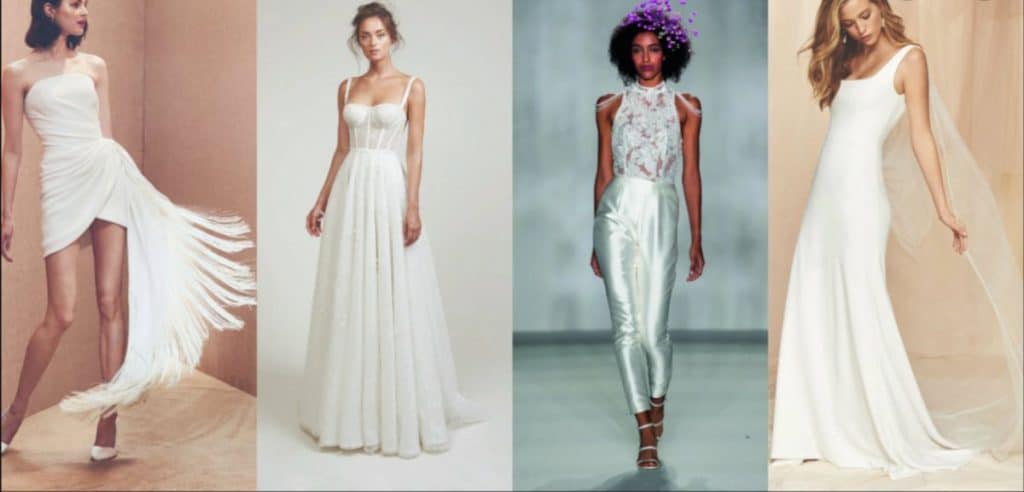
There may seem to be an overwhelming number of dresses from which to choose, but the key to quickly zeroing in on the perfect one is learning what styles flatter your body type.
As a matter of public record, we support your decision to wear whatever wedding gown makes you feel beautiful. We know there are a lot of beautiful dresses out there, and if that's leaving you feeling confused, we're here to help.
First, you should consider what dress silhouette would look best on you. Here are the important figures, and it's up to you to determine which one you want to flaunt on your wedding day.
The fact that no two women have the same body type has been a source of great relief for the bridal industry, which has relied on a universal standard of measurement for far too long. Women now are more confident than ever before, and that confidence extends to their bodily peculiarities. Your wedding dress is the one outfit for which you should make no sacrifices in terms of fit and style. You should feel absolutely stunning in it. Because every bride has her own unique body type and aesthetic goals when it comes to her wedding dress, we've put up this brief guide to help you narrow down your options.
Finding the dress that fulfils a bride's desire to look and feel her best on her wedding day might feel like an overwhelming task. However, there are a wide variety of beautiful wedding gowns that will look stunning on any bride. You can choose from a wide range of silhouettes and designs to discover the perfect dress for your wedding, whether you want to channel your inner glam queen or classic bride.
It's time to adjust your mindset if the thought of buying a wedding dress fills you with dread because of your past shopping experiences. These days, brides have access to an almost overwhelming number of wedding dress options, and the vast majority of these dresses may be altered to ensure a flawless fit. It's also worth noting that switching up your wardrobe can do wonders for your appearance. To aid you in your quest to locate the perfect wedding dress for your body type, we have produced this list of popular wedding dress styles along with the body types they best suit. If you feel beautiful and secure in a dress, though, ignore the "rules."
Typically, a bride will fit into one of six distinct categories when it comes to the overall outline of her wedding dress. Although you may not fit neatly into any one category, many women will have characteristics with more than one body type, making it difficult to choose which best describes them. You need not do so. This is only a rough outline of the most common body shapes and the styles of wedding dresses that work well for them. Considering that no one body type is certain to include all of your desirable features, it's best to choose which ones are most important to you. We will also discuss which cuts will accentuate and which will downplay particular body features, so that you may choose a cut based on your personal preferences rather than any preconceived notions about your shape. Instead of letting the scale and the tape measure dictate your wedding dress style, you can instead base it on how you feel about your body.
Looking for Wedding Dress Shops? Look no further, Vines of the Yarra Valley has you covered.
Lean and Rectangular
The athletic build is characterised by narrow hips and shoulders and long, lean legs. Women who fall into this category tend to be taller than average and to have fewer curves than the average woman, such as a smaller breast and narrower hips.
You shouldn't feel the need to cover up your figure with ruffles of tulle and taffeta because you lack volume in the hips and bust. A traditional, understated A-line silhouette, on the other hand, will accentuate your waist and provide the impression of curves. A strapless breast or a cowl neck will also draw attention to your feminine figure. Both of these wedding dress accessories will fit snuggly around your body, drawing attention to the places where they rest (such your hips and bust).
But if you'd rather, this is your opportunity to show off a daringly styled outfit. If you have a slim and trim figure, you can pull off a dress with a lot of lace or embroidery without being gaudy. Make the most of your body type now instead of trying to hide it.
Brides who are on the shorter side of the size spectrum should avoid wearing bulky fabrics or accessories. Rather than wearing a huge, puffy ball gown, opt for a light sheath or a structured trumpet shape. The key to successfully pulling off a more voluminous silhouette is a form-fitting shell worn under a sheer tulle skirt. This sophisticated silk crepe dress is the epitome of understated elegance, making it perfect for the bride who prefers to keep things understated. This gown's deep V-neckline and thick straps make you look taller and longer. For women who are on the shorter side, an empire waistline is a fantastic choice. That makes your legs look longer than they are.
Both the dropped-waist and the mermaid cuts are acceptable. It's as simple as choosing skirts with less volume and more structure. High-low hemlines can be flattering and, if worn correctly, can elongate the legs. Intricate needlework, delicate beading, and one-dimensional appliques make for subtler design details than 3D highlights like lavish flowers. The draped lace ruffle and tulle skirt on this trumpet dress give it the air of a formal ballgown, while the sheath silhouette keeps your silhouette sleek and long.
The volume of the dress will make your boyish figure more feminine. It's flattering on all body types, but especially pear-shaped brides because to the way the waist is cinched in and the skirt skims over the hips. You'll appreciate how well it evens you out if you're a busy person.
This ball gown's off-the-shoulder neckline and elaborate embellishments make a dramatic style statement. If the bride is on the shorter side, she won't feel overwhelmed by the volume of the skirt.
- Use a form-flattering fit-and-flare or A-line to achieve a seductive look.
- Add visual intrigue to your gown with the use of angles, such as a striking neckline, twirling beadwork, or a multi-tiered skirt.
- Wearing a halter top or a strapless dress will highlight your toned upper body.
- Find the ideal wedding dress by opting for something lovely but understated.
- Wearing a sheath wedding dress will give the impression that you are tall and statuesque.
- When trying to appear shorter, a low-waisted ball gown is the way to go.
- It's safe to assume that you have a straight or athletic body type if your shoulder, bust, and hip measurements are all relatively similar and your waist isn't noticeably smaller.
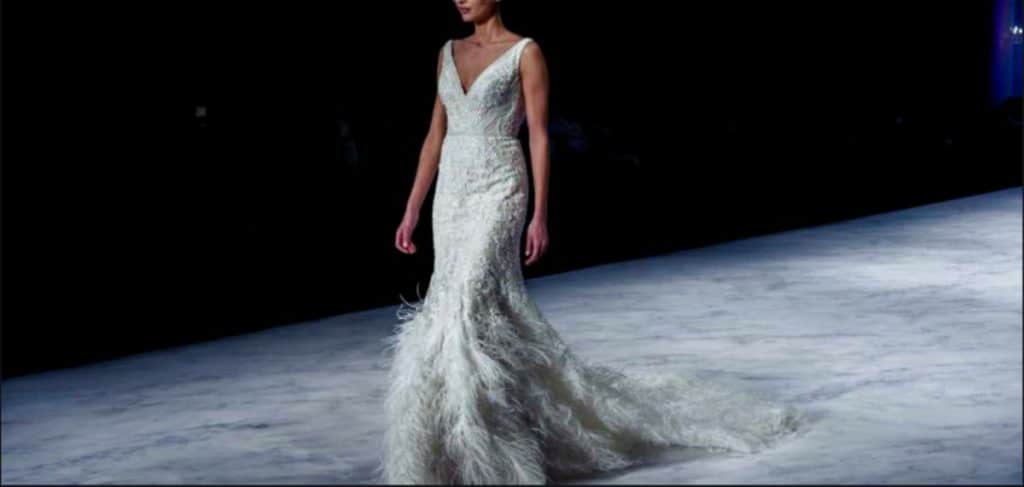
Hourglass
Women with this body type have a smaller waist and a fuller bust and hips than they have at the waist. Their hips and breast will be wide, and their waist will be narrower than average since their upper and lower halves are so big. Women with these body types are typically described as voluptuous due to their full bodies and swooping curves.
Choosing a mermaid-cut dress is the epitome of body positivity. This style of dress is ideal for women with an hourglass figure since it hugs the bust, waist, hips, and thighs before flaring out at the knees. Some brides choose to wear a more loose-fitting gown out of a misguided belief that doing so will disguise their curves, but in reality, the extra fabric just serves to obscure their otherwise stunning bodies. You should also consider trying on a mermaid-cut dress the next time you go shopping, regardless of whether or not you have a curvy body type.
Any bride can create that ultra-romantic, sultry look by selecting a mermaid or trumpet silhouette for her wedding dress. brides with an hourglass figure find that this form is both dramatic and flattering. If you're worried that you won't have any curves as a bride because you're tall and thin, don't be.
Beach weddings are commonly associated with mermaid and trumpet shapes. It seems sense (and they're a great option for summer weddings), but lace sleeves transform the dress into the most stunning option for a fall or winter ceremony.
You have an hourglass figure if your waist is at least 25% smaller than your hips and your shoulders and bust are nearly the same size.
- Make sure that your wedding dress, which should consist of a corset and a mermaid skirt, accentuates your figure. Another great bridal gown style is the fit-and-flare.
- If a ballgown is more your style, keep your curves in check by selecting one with a fitted bodice and a flared skirt.
- Whether you choose to flaunt your feminine curves in a bodycon bridal gown or your hips in a full-length ball gown, your dress should highlight your waistline.
Apple
The "apple" body type is so named because the upper part of the figure (including the breast) is noticeably larger than the lower part (including the hips and thighs). Apple-shaped women tend to be heavier in the bust and hips than anywhere else on their bodies.
Wedding dresses that cinch in at the waist are ideal for these figures, as is the classic A-line silhouette. If you wear a flowing A-line skirt, the emphasis on your legs will counteract any volume up above, creating a proportionate and attractive hourglass shape.
On the other hand, you could change your mind and decide that your wedding day is not the time to flaunt your bust. Wedding dresses with a high neckline are just one option for such brides. Even if you opt to hide your upper body, you should still pay close attention to the harmony of your overall silhouette. Unprofessionally done, a bust cover can make the bust appear twice as large and obvious. Wearing a long-sleeved top with a high-neck top will help you achieve the elusive balance of the upper body. Dresses with long sleeves will help you feel confident and lovely by balancing out your top half and enhancing your silhouette.
Struggling to find your perfect gown? Check out our extensive list of Wedding Dress Shops in Melbourne
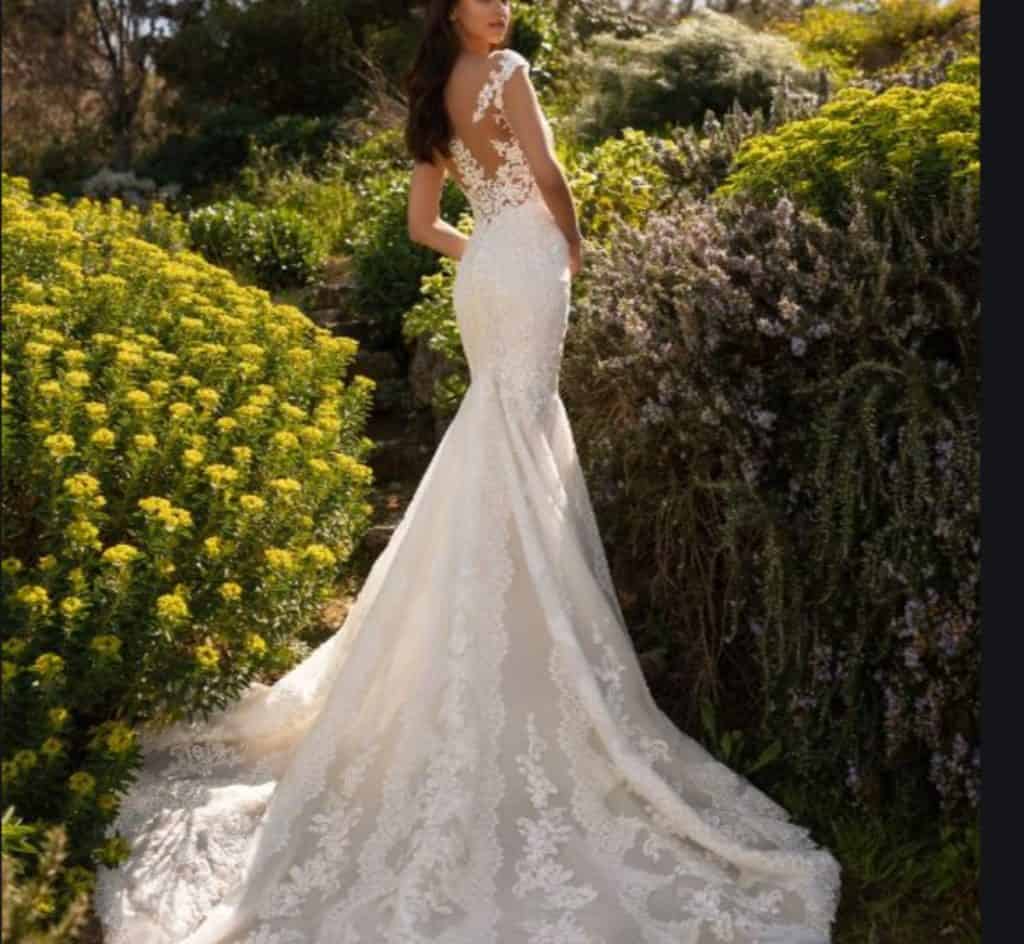
Pear
Body types that resemble pears have a small bust and full hips, similar to apples, and a narrow waist. Girls with a pear shape should look for asymmetrical dresses. A wedding dress with an asymmetrical silhouette places more attention on one side than the other, like with a draped waist or a ruffled skirt, for example. These dresses usually have a single shoulder strap and a ruffled skirt that trails diagonally down the dress.
Proportional harmony is suggested by a wedding dress's use of certain structural dimensions. Similarly, you don't have to choose a full-skirted organza gown if the concept of flouncy frills makes you uncomfortable. Also available are dresses with a more tailored, straighter silhouette that nonetheless look great and feel great on any body type. Your upper half will look great in a dress with a detailed neckline and bodice, and your hips will look great in a dress with a light, flowing column skirt that doesn't accentuate your form or size.
Pear-shaped women typically have broader hips and thighs and narrower busts and shoulders. Emphasize your shoulders to counteract your narrow waist and hips. A high neckline is a simple way to do this. A halter top can be stylish, as can an illusion neckline with an overlay of sheer fabric that extends from the bust to the collar. An off-the-shoulder dress is a safe bet for achieving a timeless and ethereal style. If your hips are larger in comparison to your shoulders and bust, you have a pear shape.
Wearing an A-line or ball gown silhouette can help you hide your hips and waistline. These timelessly chic cuts are flattering on all body types, but especially so on pear shapes. Choose a top with a lot of embellishment or detailing to draw attention to your bust and waist. Pick a dress with a tighter fit around the hips if you're a bride who wants to show off her curves.
Petite
Women with tiny frames typically have a narrower body type and lower stature than the usual person.
The Most Figure-Effective Illusion necklines and wrapped, light-fabric gowns that billow rather than cling are ideal features in wedding dresses for women with a petite frame. When it comes to petite brides, the fewer details the better. You will look slimmer and more put together in anything that has a basic, structured lining. A dress with an empire waistline would be ideal since it would draw attention to the area just below your bust, lengthening the appearance of your torso and legs.
You are not obligated to adopt a skinny, straight appearance simply because we suggested it. It is possible to locate a beautiful ball gown that will complement your figure, even if you are on the little side, if that is your dream wedding dress. While an extended waistline typically doesn't work well for petite women, when worn with a high-necked top and a full skirt, the proportions of your body will be beautifully complemented by the volume at your waist and breast.
The letters A and V are your best buddies if you are 5 feet 4 inches or shorter. A-line dresses have a defined waist and a flared skirt that isn't as dramatic as that of a ball gown. A-line dresses are universally attractive since they highlight your waist and bust, but they look especially good on petite women. If you're petite (curvy or not), a V-neck might make you look taller by drawing attention to your upper body. Do not fret if you are on the smaller side of the bust range; many dresses now come with silicone cups that can be worn underneath the clothing for an undetectable boost.
- Wearing sleeves that are only half or three quarters of the way down can provide the illusion of longer arms.
- If you have a petite frame, staying away from ballgowns is a good idea, as are some mermaid cuts that can make your upper body look even shorter.
- Select a gown with a natural waistline, such as an A-line or fit-and-flare, to prevent seeming "squished up" or bottom-heavy.
Curvy/Plus Size
Women typically fall into one of these body shapes, which includes the full bust, full hips, and a somewhat more curvy midsection than the apple or pear. Women with fuller figures and more curves have this body type. We have compiled a list of Melbourne Wedding Dress Shops to make the search as easy as possible for your perfect gown.
If you're self-conscious about your midsection, a bodice with defined seams is a foolproof solution. A similar argument may be made for A-line dresses, which help women with a fuller figure look more proportionate. To emphasise your shoulders, flatter your bust, and draw attention to your waist, try wearing a top with a halter or scoop neck.
On your big day, resist the want to play down your curves or feel embarrassed by your assets. Try to find an outfit that will enhance your curves while still making you feel comfortable and confident. If you have curves, don't be afraid to try a column sheath silhouette as long as there is a lot of detail at the top (shoulders, straps, etc.). Find the dress that will make you feel confident and beautiful all day long. Visit our dress gallery if you need some ideas for your perfect gown.
Putting on the ideal ball gown may make anyone feel like Cinderella. Why not feel like the heroine of a fairytale in this spectacular wedding gown style if you are a tall bride? While some shorter ladies may feel smothered in a ballgown, taller women can confidently rock these elaborate garments. Ball gowns are formal dresses that have a tight bodice (and often a corset back) and a skirt that spreads out dramatically in layers. In the most chic fashion, the waist of these wedding dresses is cinched. The classic shape is ideal for the bride who wants to make a grand entrance.
Conclusion
What should you consider while shopping for a wedding dress to ensure a good fit? Appointments at most bridal salons are limited to one hour maximum, but there are alternative ways to shorten the process. Take a look at the descriptions of each of the five body types we've highlighted and choose the one that best fits your physical attributes. You can narrow down your possibilities by locating a silhouette that plays up your most appealing features while hiding any imperfections. Every bride has her own unique body type and aesthetic goals when it comes to her wedding dress.
There is a plethora of gorgeous wedding dresses available, and any one of them would be perfect for the bride. To aid you in your quest to identify the perfect wedding dress for your body type, we have developed this list of common wedding dress styles along with the body types they best suit. Identifying a woman's body type might be challenging because so many women have more than one. The general shape of a wedding dress can be broken down into six groups, each of which represents a possible option for the typical bride. We will go over which cuts highlight and which cuts minimise specific body parts so that you may pick a style based on your own tastes and not someone else's preconceived views of your body type.
Brides who are on the shorter side of the size spectrum should avoid wearing heavy fabrics or accessories. A form-fitting shell worn under a translucent tulle skirt is the secret to pulling off a more voluptuous appearance. Intricate stitching, delicate beading, and one-dimensional appliques make for softer design details than 3D highlights like extravagant flowers. Mermaid-cut dresses are great for women with an hourglass body. Apple-shaped women tend to be heavier in the bust and hips than anyplace else on their bodies.
If you're scared that you won't have curves as a bride because you're tall and slim, don't be. If you have pear, pear or apple proportions, you should seek for dresses with an asymmetrical silhouette that places more attention on one side of your body rather than the other, like with a draped waist or ruffled skirt. You don't have to choose a full-skirted organza gown if the notion of flouncy frills makes you uneasy. Also available are dresses with a more fitted, straighter silhouette that look amazing and feel great on any body type. Pear-shaped ladies often have larger hips and thighs and smaller busts and shoulders.
Emphasize your shoulders to counteract your thin waist and hips. A halter top, or one with an illusion neckline created by an overlay of sheer fabric from the bust to the collar, can be quite fashionable. An off-the-shoulder dress is a safe pick if you want to seem classic and ethereal. If you're small (curvy or not), a V-neck could make you look taller by bringing attention to your upper body. Dresses with built-in silicone cups are a great option for women with smaller busts because the cups are thin and go unnoticed once worn.
We have collected a list of Melbourne Wedding Dress Shops to make the search as easy as possible for your dream gown. Don't try to hide your curves or be ashamed of your assets on your wedding day. Wearing a blouse with a halter or scoop neck will highlight your shoulders, accentuate your breast, and bring attention to your waist. Don't be hesitant to try a column sheath silhouette if there is a lot of detailing at the top; this will flatter your curves (shoulders, straps, etc.).
Content Summary
- When it comes time to find your wedding gown, you probably have a long list of must-haves in mind.
- The question is how to go about finding the perfect wedding dress for your body type.
- Most bridal salons have a one-hour restriction for scheduled appointments.
- It's true that you can try on a lot of dresses in an hour, but you'll have a far more pleasant shopping experience if you narrow down your options beforehand.
- Choose the perfect bridal gown for your body type by identifying a silhouette that will highlight your best features while disguising any imperfections.
- You can be short and stocky or tall and lean; round or straight.
- The search for the ideal wedding dress can be simplified in other ways, but finding the right dress for your body type is still crucial.
- First, trust your consultant's judgement and open your mind to trying on dresses that aren't necessarily your style.
- Also, shop with a group of individuals who will keep you motivated.
- Miss Pessimist doesn't belong on the A-team of "yes or nay" supporters.
- Do your hair and makeup last.
- While there may be a plethora of gowns from which to select, the secret to swiftly zeroing in on the ideal one is to familiarise yourself with the silhouettes that work best for your body type.
- For the record, we agree with your choice to wear the wedding dress that makes you feel most stunning.
- We understand that there is a wide variety of lovely dresses available, and if this has left you feeling overwhelmed, we hope to be of assistance.
- You should first think about what dress silhouette complements your figure.
- The bridal business, which has for too long relied on a global standard of measurement, may finally breathe a sigh of relief because no two women have the same body type.
- Modern women have more self-esteem than ever before, and that includes embracing their individual physical traits.
- When it comes to the fit and style of your wedding dress, you shouldn't skimp.
- You ought to feel completely attractive while wearing it.
- Given that every bride has her own specific needs and preferences when it comes to her wedding dress, we've compiled this quick checklist to help you narrow down your choices.
- It may seem like a daunting endeavour to find the perfect wedding dress that makes the bride feel beautiful and confident on her big day.
- Of course, nowadays, brides can choose from a dizzying array of gorgeous wedding gowns that are sure to complement their own styles.
- Whether you're channelling your inner glam queen or classic bride, you'll find the perfect dress for your wedding among the many available styles and designs.
- If the notion of wedding dress shopping causes you anxiety because of negative past experiences shopping, it's time to reframe your perspective.
- Modern women can choose from a dizzying array of stunning wedding gowns, nearly all of which are amenable to alterations for a custom fit.
- Remember that a simple wardrobe revamp can do wonders for your overall look.
- To aid you in your quest to identify the perfect wedding dress for your body type, we have developed this list of common wedding dress styles along with the body types they best suit.
- Nonetheless, you should disregard the "rules" if you feel confident and attractive while wearing a dress.
- In terms of the general shape of her wedding dress, most brides fall into one of six groups.
- You might not be able to put yourself cleanly into one category, and many women will have features of more than one body type. Actually, there's no reason for you to.
- This is only a general guide to the most popular body types and the types of wedding dresses that complement them.
- Considering that no one body type is assured to possess all of your prefered qualities, it's best to determine which ones are most significant to you.
- We will also examine which cuts will accentuate and which will downplay key body traits, so that you may choose a cut based on your personal tastes rather than any preconceived preconceptions about your shape.
- How you feel about your body is more important than how it measures up on the scale or with a tape measure when choosing a wedding dress.
- The athletic build is characterised by a thin waist and shoulders and long, lean limbs.
- You shouldn't feel the need to cover up your physique with ruffles of tulle and taffeta because you lack volume in the hips and bust.
- Conversely, if you want to draw attention to your waist and fake curves, go for a classic, subtle A-line cut.
- A strapless breast or a cowl neck will also attract attention to your feminine form.
- Both of these add-ons to your wedding dress will hug your curves and highlight the areas of your body against which they rest (think: hips and bust), but you can also use this as an opportunity to showcase an unconventionally styled ensemble if you choose.
- You can wear a garment with a lot of lace or embroidery without being garish if you have a trim and trim physique.
- Make the most of your body type today instead of attempting to hide it.
- If you are on the petite side, the bride's dress and accessories shouldn't be too thick.
- Rather than wearing a large, puffy ball gown, opt for a modest sheath or a structured trumpet design.
- A form-fitting shell worn under a translucent tulle skirt is the secret to pulling off a more voluptuous appearance.
- This silk crepe gown is the height of refined simplicity, making it ideal for the bride who wants to keep her wedding low-key.
- The deep V-neckline and thick straps of this dress elongate and slim the wearer's body.
- A flattering option for petite women is an empire waist.
- Your thighs will appear longer as a result of that.
- The mermaid and dropped-waist styles are both appropriate.
- Choosing skirts with less volume and more structure is all it takes.
- When worn correctly, a high-low hemline can draw attention to the wearer's slender legs.
- The draped lace ruffle and tulle skirt on this trumpet dress give it the illusion of a fancy ballgown, while the sheath silhouette maintains your silhouette sleek and long.
- The full skirt will soften your masculine frame.
- The way the waist is nipped in and the skirt skims over the hips is beautiful on brides of all shapes and sizes, but notably pear shapes.
- If you lead a hectic lifestyle, you'll enjoy how effectively it balances you out.
- The plunging V-neckline and ornate decorations of this ballgown are sure to turn heads.
- The bride won't feel swallowed up by the skirt's fullness if she happens to be on the petite side.
- To look sensual, try an A-line or fit-and-flare silhouette.
- Add visual excitement to your gown with the use of angles, such as a dramatic neckline, swirling beading, or a multi-tiered skirt.
- Strapless dresses and halter tops will draw attention to your toned upper body.
- Women with this body type have a smaller waist and a larger bust and hips than they have at the waist.
- Women with these body types are generally classified as voluptuous due to their lush bodies and sweeping curves.
- Choosing a mermaid-cut dress is the epitome of body confidence.
- Dresses in this style are flattering on women who have an hourglass figure because they fit closely through the chest and waist and then flare out just beyond the knees.
- The next time you go dress shopping, whether or not you have a curved body type, you should try on a mermaid-cut dress.
- In order to achieve that ultra-romantic, sensual vibe, any bride might choose a mermaid or trumpet silhouette for her wedding dress.
- Many brides-to-be who have an hourglass figure think that this silhouette is both dramatic and aesthetically pleasing.
- If you're scared that you won't have any curves as a bride because you're tall and slim, don't be.
- Beach weddings are typically linked with mermaid and trumpet shapes.
- In order to have an hourglass figure, your waist must be at least 25 percent smaller than your hips, and your breast and shoulders should be about the same size.
- Make sure that your wedding dress, which should consist of a corset and a mermaid skirt, enhances your form.
- Another excellent bridal gown style is the fit-and-flare.
- Choose a ballgown with a fitted bodice and a flared skirt if you want to show off your curves without going overboard.
- It doesn't matter if you want to show off your hips in a floor-sweeping ball gown or your flat abs in a bodycon bridal gown; the key is to make sure that the focus is on your waist.
- The "apple" body shape is characterised by a larger bust and upper body compared to the hips and thighs, hence the name (including the hips and thighs).
- Wedding dresses that cinch in at the waist are great for these bodies, as is the classic A-line silhouette.
- Wearing a flared A-line skirt can help you achieve a beautiful hourglass figure by drawing attention down to your legs and away from your upper body.
- You might reconsider and realise that your wedding day is not the place to show off your bust.
- High-necked wedding gowns are just one option for these brides.
- You still need to pay attention to the balance of your silhouette, even if you decide to cover your upper body.
- If not done properly, a bust cover can make a woman's bust look twice as big and visible as it actually is.
- When trying to strike that illusive upper body balance, a long-sleeved top with a high-neck top might be very helpful.
- Wearing a dress with long sleeves will make you feel more put together and attractive by drawing attention upwards to the upper half of your body.
- A pear-shaped body has a petite breast and full hips like an apple's but a tight waist.
- Women who are more pear-shaped should try on asymmetrical dresses.
- The focus of an asymmetrical wedding dress is drawn to one side of the body rather than the other. This is accomplished by design elements like a draped waist or a full, flouncy skirt.
- These dresses usually have a single shoulder strap and a ruffled skirt that trails diagonally down the dress.
- The adoption of standard measurements for a wedding dress's bodice and skirt is meant to imply proportional harmony.
- Similarly, if the thought of wearing a dress with voluminous layers of fabric makes you feel uneasy, you should not go for a dress made of organza.
- Dresses with a more fitted, straight form are also available and are flattering on a wide range of body types.
- Dresses with a complex neckline and bodice will highlight your upper body, while those with a light, flowing column skirt will hide any flaws in your lower half.
- Women who are pear-shaped tend to have wider hips and thighs than busts and shoulders.
- If your waist and hips are tight, you can make up for it by showcasing your broad shoulders.
- One easy method to accomplish this is by wearing a high neckline.
- A halter top, or one with an illusion neckline created by an overlay of sheer fabric from the bust to the collar, can be quite fashionable.
- If you want to seem classic and ethereal, an off-the-shoulder dress is a safe pick.
- A pear shape refers to a body with hips that are disproportionately larger to the breast and shoulders.
- If you're self-conscious about your hips and waist, an A-line or ball gown dress may be the answer.
- These classic styles compliment virtually any body type, but they really accentuate the best features of hourglass and pear figures.
- The best way to emphasise your breast and waist is to wear a top with a lot of elaboration or detailing.
- If you're a bride who wants to flaunt your curves, choose a dress that fits more snugly in the hips.
- Women who fall into the category of "petite" tend to be shorter and more narrowly built than the average person.
- Smaller-framed brides should look for wedding dresses with illusion necklines and lightweight fabrics that flow rather than cling.
- Those with a more diminutive frame should go for a simpler wedding dress.
- You will look smaller and more put together in anything that has a simple, structured lining.
- Wearing a dress with an empire waistline will help elongate the look of your torso and legs by drawing attention to the area directly below your bust.
- Even if you are on the shorter side, you may still find a stunning ball gown that will flatter your form for your wedding day.
- The volume at your waist and breasts will help balance out your proportions, making an extended waistline work for you even if it doesn't usually for tiny ladies.
- If you are short, 5 feet 4 inches or less, the letters A and V will be your best friends.
- Dresses with an A-line silhouette feature a defined waist and a flared skirt that isn't as dramatic as that of a ball gown.
- Curvy or not, a V-neck can elongate a short torso and give the illusion of more height.
- Do not fret if you are on the smaller side of the bust range; many dresses now come with silicone cups that can be worn underneath the clothes for an imperceptible boost.
- Sleeves that stop at the elbow or just below can make your arms look longer.
- If you're on the shorter side, it's best to avoid the ballgown silhouette and mermaid cuts that emphasise the waistline.
- Look your best without being "squished up" or bottom-heavy by opting for a gown with a natural waistline, like an A-line or fit-and-flare.
- Women often fall into one of these body forms, which includes the full bust, full hips, and a somewhat more curvy core than the apple or pear.
- These women tend to be curvier and have larger proportions.
- If you are looking for a wedding dress in Melbourne, we have created a list of bridal boutiques to help narrow down your options.
- A defined bodice is an easy way to feel more confident about your stomach.
- Women with bigger figures can benefit from wearing A-line dresses for the same reason.
- Wearing a blouse with a halter or scoop neck will highlight your shoulders, accentuate your breast, and bring attention to your waist.
- Don't try to hide your curves or be ashamed of your assets on your wedding day.
- Locate an attire that flatters your figure while making you feel beautiful and secure.
- Don't be hesitant to try a column sheath silhouette if there is a lot of detailing at the top; this will flatter your curves (shoulders, straps, etc.).
- Try on a variety of dresses until you locate the one that makes you feel most attractive and at ease with yourself.
- If you're having trouble envisioning the ideal gown, come peruse our dress gallery.
- Putting on the proper ball gown may make anyone feel like Cinderella.
- A ballgown may make a shorter woman feel suffocated, while a taller woman may carry off such an intricate dress with ease.
- Formal ball gowns are dresses with a fitted bodice (and often a corset back) and a full, layered skirt.
- These wedding gowns have been tightened to perfection around the waist.
- The timeless silhouette is perfect for the bride who wants to create an unforgettable first impression.
