
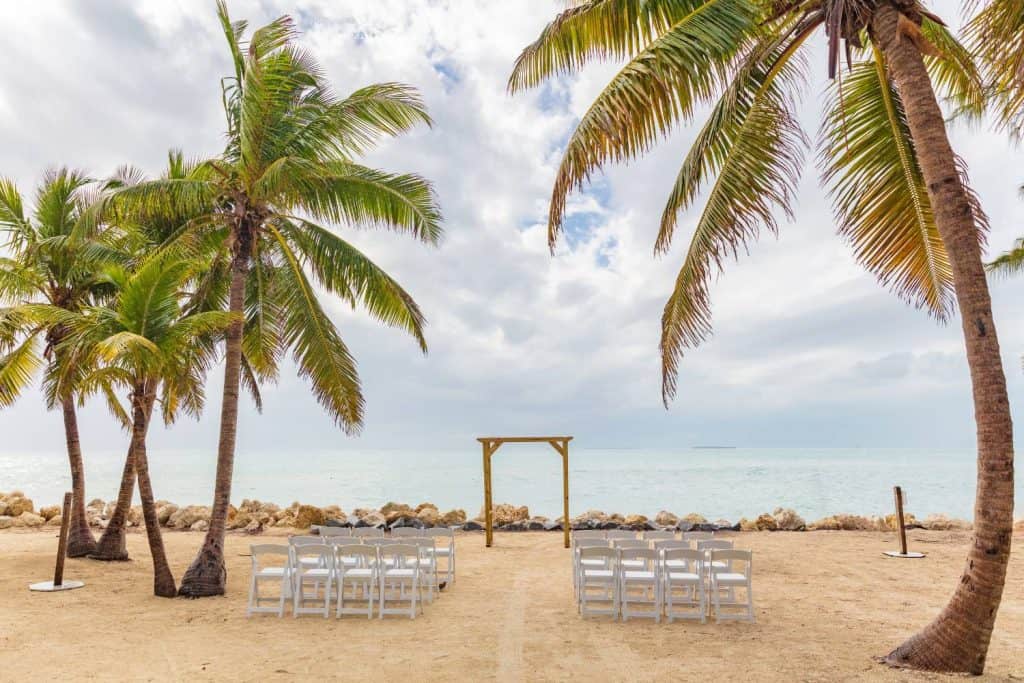
Destination weddings offer couples the opportunity to say "I do" in stunning locations around the globe, creating unforgettable memories in picturesque settings. However, selecting the perfect venue abroad requires careful planning and consideration.
From defining your ideal location to researching legal requirements and setting your budget, each step plays a crucial role in ensuring a magical wedding experience. In this guide, we'll explore essential tips for choosing the perfect venue for your destination wedding abroad.
Table of Contents
Select Your Ideal Location
Selecting your ideal location is one of the most crucial steps in planning a destination wedding abroad. The location sets the tone for your wedding and provides the backdrop for your special day. When choosing your ideal location, consider destinations that resonate with your vision and preferences as a couple. Here are some location examples to inspire your decision:
- Tropical Beach: Picture saying your vows with the sound of waves crashing in the background and soft sand beneath your feet. Tropical beach destinations, such as the Maldives, Hawaii, or the Caribbean islands, offer stunning natural beauty, crystal-clear waters, and breathtaking sunsets, providing the perfect setting for a romantic beach wedding.
- Historic City: If you're drawn to history and culture, consider a wedding in a historic city steeped in charm and elegance. Cities like Rome, Venice, or Prague offer magnificent architecture, ancient landmarks, and a sense of timeless romance. Exchange your vows amidst historic cathedrals, quaint cobblestone streets, and picturesque cityscapes for a truly memorable wedding experience.
- Mountain Retreat: Escape to the mountains for a wedding surrounded by majestic peaks, lush forests, and panoramic views. Mountain destinations, such as the Swiss Alps, the Rocky Mountains, or the Himalayas, offer a serene and idyllic setting for an intimate wedding ceremony. Imagine exchanging vows amidst towering peaks, alpine meadows, and crisp mountain air, creating an unforgettable experience for you and your guests.
- Vineyard or Winery: For wine lovers and romantics at heart, a wedding at a vineyard or winery offers rustic charm, natural beauty, and exquisite wines. Vineyard destinations, such as Tuscany in Italy, Napa Valley in California, or Bordeaux in France, provide the perfect backdrop for a romantic and intimate wedding celebration. Say your vows amidst rolling vineyards, lush grapevines, and charming countryside estates, creating memories to cherish for a lifetime.
- Island Paradise: Escape to a secluded island paradise for a wedding surrounded by pristine beauty and tranquillity. Island destinations, such as Santorini in Greece, Bora Bora in French Polynesia, or the Seychelles in the Indian Ocean, offer unparalleled natural beauty, turquoise waters, and luxurious resorts. Exchange vows overlooking dramatic cliffs, white-sand beaches, and azure seas, creating a magical and intimate wedding experience.
- Rural Countryside: Embrace the charm and tranquillity of the countryside for a rustic and romantic wedding celebration. Rural destinations, such as the English countryside, the Provence region in France, or the rolling hills of Tuscany, offer picturesque landscapes, quaint villages, and historic farmhouses. Say your vows amidst sun-dappled fields, blooming lavender fields, and rustic vineyards, creating a timeless and enchanting wedding experience.
When selecting your ideal location, consider your personal preferences, the atmosphere you want to create, and the logistical aspects of hosting a wedding abroad. Whether you choose a tropical beach, historic city, mountain retreat, vineyard, island paradise, or rural countryside, your destination wedding abroad is sure to be a magical and unforgettable experience for you and your loved ones.

Research Legal Requirements
Researching the legal requirements for your destination wedding abroad is an essential aspect that demands thorough attention and understanding. This step involves delving into the legal framework of the country where you intend to tie the knot, ensuring compliance with all necessary regulations and procedures. Here's why it's crucial to dedicate time and effort to this aspect of wedding planning:
- Understanding Legal Frameworks: Each country has its own unique set of laws and regulations governing marriage. These legal frameworks dictate various aspects of the marriage process, including residency requirements, documentation needed, and procedures for obtaining a marriage licence. Researching these legal requirements helps you navigate the complexities of international marriage laws and ensures that you fulfil all necessary obligations.
- Ensuring Legitimacy: Adhering to the legal requirements ensures the legitimacy of your marriage. Failure to comply with these requirements could result in your marriage not being legally recognized, leading to potential complications in the future. By understanding and fulfilling the legal obligations, you can ensure that your marriage is valid and legally binding both abroad and in your home country.
- Avoiding Legal Pitfalls: Lack of awareness about legal requirements can lead to various pitfalls and challenges. These may include difficulties in obtaining a marriage licence, delays in processing paperwork, or even legal issues arising after the wedding. By conducting thorough research into the legal requirements beforehand, you can proactively address any potential obstacles and minimise the risk of encountering legal problems during the wedding planning process.
- Securing Documentation: Researching legal requirements helps you gather all the necessary documentation in advance. This may include passports, birth certificates, divorce decrees (if applicable), and any other documents required by the destination country. By ensuring that you have the correct documentation prepared, you can streamline the process of obtaining a marriage licence and avoid last-minute scrambling or delays.
- Consulting Legal Experts: In some cases, navigating the legal requirements for a destination wedding may be complex or challenging. Consulting with legal experts or experienced professionals familiar with international marriage laws can provide invaluable guidance and assistance. These experts can offer insights into specific legal requirements, help you understand the implications of various regulations, and ensure that you meet all necessary obligations for a smooth and hassle-free wedding experience.
Consider the Season
Considering the season is a crucial aspect when planning a destination wedding abroad, as it can greatly influence the overall experience for you and your guests. The season not only affects the weather but also impacts factors such as availability, pricing, and the atmosphere of your chosen destination. Here's why it's important to carefully consider the season when planning your wedding:
- Weather Conditions: The season plays a significant role in determining the weather conditions at your chosen destination. Different seasons bring varying climates, including factors such as temperature, humidity, rainfall, and sunshine. Understanding the typical weather patterns during each season will help you choose a time of year that aligns with your preferences and ensures optimal conditions for your wedding celebrations.
- Peak Tourist Seasons: Many popular tourist destinations experience peak seasons when visitor numbers surge due to favourable weather or special events. During these times, accommodation prices may be higher, venues may be more crowded, and availability may be limited. By considering the season, you can avoid peak tourist periods and ensure a more intimate and enjoyable experience for you and your guests.
- Off-Peak Opportunities: Conversely, off-peak seasons offer unique opportunities for destination weddings. During quieter times of the year, you may find lower prices, reduced crowds, and greater availability of accommodations and venues. Off-peak seasons can also provide a more authentic experience, allowing you to immerse yourself in the local culture and enjoy a more relaxed atmosphere during your wedding celebrations.
- Special Events and Festivals: Certain seasons may coincide with special events or festivals in your chosen destination. These events can add an extra layer of excitement and cultural immersion to your wedding experience. However, it's important to consider the potential impact of these events on your wedding plans, such as increased demand for accommodations or transportation. Researching local events and festivals can help you choose a season that aligns with your preferences and enhances your wedding celebrations.
- Budget Considerations: Seasonal variations can also affect pricing for accommodations, venues, and other wedding-related expenses. High-demand seasons may come with higher costs, while off-peak seasons may offer more budget-friendly options. By carefully considering the season, you can align your wedding plans with your budget and maximise value for your money.
Set Your Budget
Setting your budget is a critical step in planning a destination wedding abroad. It serves as a financial roadmap, guiding your decisions and ensuring you stay within your means. Without a budget, it's easy for expenses to spiral out of control. By establishing a budget early on, you can allocate funds to different aspects of your wedding, prioritise spending, and avoid overspending. Your budget helps you make realistic choices, manage expectations, and maximise the value of your expenditures.
It also allows you to avoid accumulating debt and enjoy your wedding day without financial stress. Flexibility is key, as unexpected expenses may arise, and priorities may change. Regularly review and adjust your budget as needed to accommodate any changes or unforeseen circumstances that arise during the planning process. Ultimately, setting a budget enables you to plan and execute your dream destination wedding while maintaining financial control and peace of mind.
Research Venues
Researching venues is a crucial aspect of planning a destination wedding abroad. It involves thoroughly exploring different options to find the perfect setting for your special day. When researching venues, consider factors such as location, capacity, amenities, and ambiance. Look for venues that align with your vision and budget, and pay attention to details such as event spaces, catering options, and on-site accommodations.
Take advantage of online resources, recommendations, and reviews to gather information about potential venues. If possible, schedule site visits to experience the atmosphere firsthand and ensure it meets your expectations. Be open to exploring a variety of venues and consider consulting with a local wedding planner for expert guidance and assistance. By conducting thorough research and carefully evaluating your options, you can find the ideal venue that sets the stage for an unforgettable destination wedding abroad.
Consider Accommodations
When planning a destination wedding, it's essential to consider accommodations for yourself and your guests. Ensure there are sufficient options nearby to accommodate everyone comfortably, ranging from luxury resorts to budget-friendly hotels and vacation rentals.
Research the availability of accommodations in the vicinity of your chosen venue and consider factors such as proximity, amenities, and pricing. Providing a range of accommodation options will ensure your guests have a comfortable stay and enjoy the wedding festivities to the fullest.
Visit Potential Venues
If possible, schedule site visits to your shortlisted venues to experience the ambiance firsthand. Walking through the venue allows you to visualise your wedding day and assess its suitability for your event. Take note of the venue's layout, aesthetics, and overall atmosphere. Consider factors such as event spaces, seating arrangements, and photo opportunities. Visiting potential venues in person provides valuable insights that can't be captured through photos or virtual tours, allowing you to make an informed decision about the perfect location for your wedding.
Assess Venue Amenities
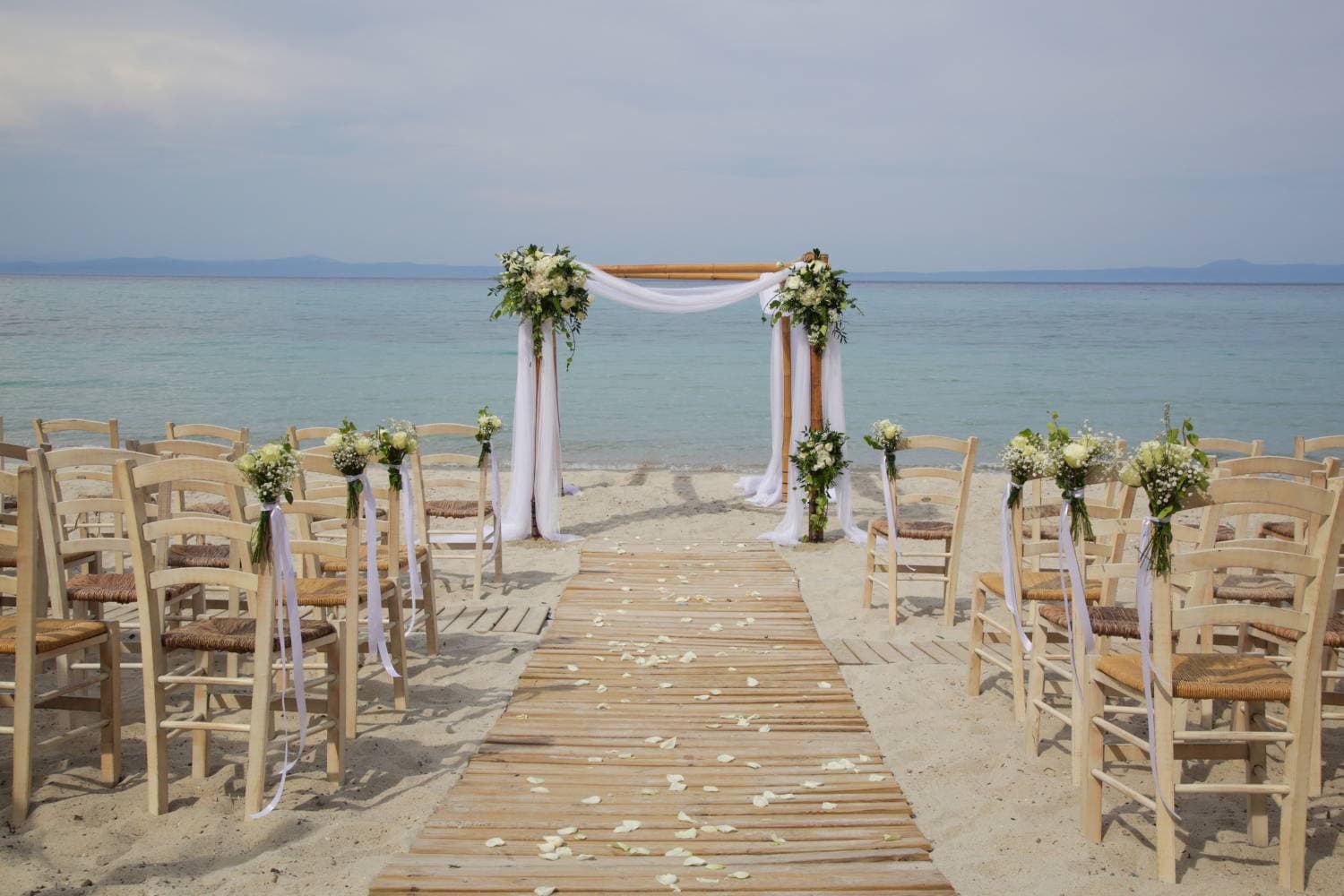
When choosing a venue for your destination wedding abroad, it's essential to assess the amenities offered. Consider whether the venue provides essential services such as catering, event coordination, and audiovisual equipment. Evaluate additional amenities such as bridal suites, on-site accommodations, and parking facilities. Choose a venue that offers the amenities you need to create a memorable wedding experience for you and your guests. Ensure the venue can accommodate your specific requirements and enhances the overall guest experience.
Review Contracts
Before committing to a venue, carefully review the contracts and terms of service provided. Pay close attention to details such as reservation deposits, cancellation policies, payment schedules, and any additional fees or restrictions. Seek clarification on any ambiguous terms and ensure you fully understand the contractual obligations before signing. It's essential to review contracts thoroughly to avoid any misunderstandings or surprises later on. Consulting with a legal expert or wedding planner can provide valuable guidance on contract negotiation and ensure a smooth planning process.
Seek Local Expertise
Consider enlisting the services of a local wedding planner or coordinator who is familiar with the destination. A local expert can provide valuable insights, recommend trusted vendors, and handle logistical details on your behalf. They can offer guidance on cultural customs, local regulations, and vendor selection, ensuring a seamless planning process from start to finish. A wedding planner with local expertise can help alleviate stress and ensure your destination wedding abroad is a truly unforgettable experience for you and your guests.
Conclusion
Planning a destination wedding abroad opens up a world of possibilities for couples seeking a memorable and unique way to exchange vows. From tropical beaches to historic cities, vineyards to rural countryside, the options are endless. However, choosing the perfect venue requires careful consideration of factors such as location, legal requirements, seasonality, and budget. Selecting an ideal location that resonates with the couple's vision is paramount, whether it's a romantic beach, a historic cityscape, or a serene mountain retreat.
Moreover, understanding and navigating the legal requirements of the chosen destination ensures the legitimacy of the marriage and helps avoid potential pitfalls. Considering the seasonality not only impacts weather conditions but also influences pricing, availability, and the overall atmosphere, while setting a realistic budget allows couples to prioritise expenses and avoid financial stress.
Researching venues thoroughly, visiting potential locations, and assessing amenities are essential steps in finding the perfect setting for the wedding. Couples should review contracts meticulously and seek local expertise through wedding planners or coordinators familiar with the destination. These experts can provide invaluable insights, recommend trusted vendors, and handle logistical details, ensuring a seamless planning process and a truly unforgettable destination wedding experience for the couple and their guests.
Content Summary
- Destination weddings offer couples the chance to marry in stunning global locales, creating unforgettable memories.
- Selecting the perfect venue abroad demands meticulous planning and consideration.
- Defining your ideal location is crucial for setting the tone and backdrop of your wedding.
- Location examples include tropical beaches, historic cities, mountain retreats, vineyards, island paradises, and rural countryside.
- Each location offers unique charm and ambiance, catering to different preferences and visions.
- Legal requirements research is vital to ensure compliance with the country's marriage laws.
- Understanding legal frameworks and documentation needs helps navigate international marriage laws.
- Ensuring legitimacy avoids potential future complications with marriage recognition.
- Avoiding legal pitfalls and securing documentation streamlines the marriage licence process.
- Consulting legal experts provide invaluable guidance on navigating complex legal requirements.
- Considering the season impacts weather, availability, pricing, and atmosphere.
- Different seasons offer opportunities for unique wedding experiences, whether during peak or off-peak times.
- Special events and festivals may enhance or impact wedding plans, necessitating careful consideration.
- Budget setting is essential to guide spending decisions and avoid financial stress.
- Flexibility with the budget accommodates unforeseen expenses and changing priorities.
- Regular budget reviews ensure financial control and peace of mind throughout the planning process.
- Researching venues thoroughly involves exploring options based on location, capacity, amenities, and ambiance.
- Utilising online resources, recommendations, and reviews aids in gathering venue information.
- Site visits provide firsthand experience to assess venue suitability for the event.
- Noting venue layout, aesthetics, and amenities helps in making informed decisions.
- Venue amenities such as catering, event coordination, and accommodations enhance the wedding experience.
- Reviewing contracts meticulously ensures understanding of reservation deposits, cancellation policies, and payment schedules.
- Seeking clarification on contract terms avoids misunderstandings or surprises later on.
- Local expertise from wedding planners or coordinators familiar with the destination aids in logistical planning.
- Local experts offer insights into cultural customs, regulations, and vendor selection.
- A wedding planner with local expertise helps ensure a seamless planning process and unforgettable wedding experience.
Frequently Asked Questions
A destination wedding is a wedding that takes place in a location away from the couple's hometown, often in a picturesque or exotic setting.
Consider your preferences as a couple, such as beach vs. city, and research locations that align with your vision. Factors like legal requirements, weather, and budget should also be considered.
Legal requirements vary depending on the country where you plan to marry. Research the specific marriage laws and documentation needed for your chosen destination and ensure compliance to make your marriage legally valid.
Research and provide various accommodation options near your chosen venue, including hotels, resorts, and vacation rentals, to accommodate varying preferences and budgets.
Hiring a wedding planner with local expertise can greatly streamline the planning process and alleviate stress. They can provide valuable insights, handle logistical details, and ensure everything runs smoothly on the big day.
