
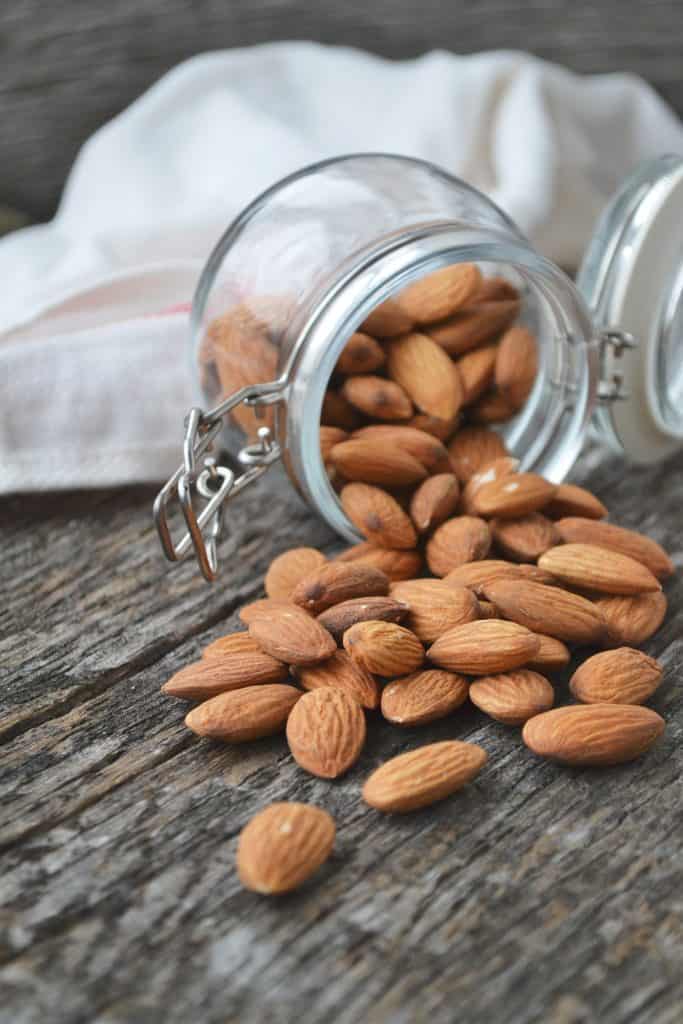
You may have seen Jordan Almonds on display at a wedding. What are these mysterious candies called? Jordan Almonds, in a nutshell, are sugar almond candy typically distributed as wedding favors.
These sweets were first mentioned in writing around the year 1350. The ancient Romans utilized the almond sweets for a wide variety of celebrations, from marriages to births, and evidence of them does not stop appearing until the late Middle Ages and the Renaissance.
Candies come in a rainbow of hues, and in some cultures, each hue has a special significance. White ones are common at weddings, green ones for engagement parties, and red ones at graduation parties.
Looking for the ultimate Wedding Reception Venue in Melbourne? Look no further, Vines of the Yarra Valley is here.
Small details like these can make a big difference to the image that your wedding makes on your guests, but it's easy to overlook them in the excitement of arranging the big day. Hiring experienced wedding planners helps ensure that not only the large things go off without a hitch, but also that the minor things go off without a hitch and are not forgotten.
Too busy with life to really plan your wedding in detail? Have someone else do it for you and check out our list of Wedding Planners in Melbourne to help take the stress away.
Table of Contents
Greek nuptials and Jordan almonds
Sugar-coated almonds are known as koufeta during traditional Greek weddings.
When presented, they are served in tiny bags in an uneven quantity from the dish. Since odd numbers cannot be reduced into smaller ones, this is a metaphor for the unbreakable bond between the newlyweds. An unwed woman's future spouse is said to appear in her dreams if she sleeps with a handful of almonds.
What does a bag of sugared almonds represent?
There is a reason why sugar-coated almonds are traditionally used for Bombonieres. The bittersweet flavour of almonds is said to be symbolic of all of life's ups and downs. That their wedded life will be more sugary than salty is symbolised by the confectionery.
Sugar-coated almonds are the quintessential traditional wedding favor. Sugar-coated almonds are delicious and convenient, but why are they traditionally given out as wedding favors, and what is the history behind them?
In particular at Italian and Greek weddings, these sugary treats take on a symbolic and flavorful role. Freshly almonds have a bittersweet flavour that is symbolic of life; the sugar coating is applied in the hopes that the newlyweds' lives would be more sweet than bitter.
There is symbolism in everything about these sweets, down to their shaped packaging. The egg form has been viewed both as an aphrodisiac and a symbol of fertility.
Sugared almonds, as the name implies, are simply almonds that have been covered in sugar candies. Guests in Italian nuptials receive these sweet treats, also known as Jordan almonds, wrapped in tulle in a matching shade of white, pink, or blue and decorated with a bow. You may trace their genesis back to Sulmona, Italy.
There's a reason why sugar-coated almonds are a traditional wedding favor. The bittersweet flavour of almonds is said to represent the ebb and flow of human experience. The sweetness symbolises the hope that the newlyweds' lives together would be a delight rather than an ordeal.
It is customary in Italy to welcome visitors with a gift of five sugar-coated almonds, each of which represents a different wish for the recipient: health, fortune, happiness, fertility, and a long and fruitful life.
What are some ways to include sugared almonds into my wedding?
It's ridiculously simple to whip up a batch of the classic Bombonieres, which are almonds that have been coated in sugar. Almonds can be purchased in large quantities, and then coloured tulle circles are cut out, five almonds are placed in the center, and the tulle is gathered and tied with a ribbon.
While sugar-coated almonds used to only come in pastel shades, you can now get them custom-made to match your wedding's color scheme. The white sugar-coated almonds may be the best choice if you're planning on wearing a rainbow of tulle colors..
Because of the significance of the Jordan Almond, the candy is often given out as a wedding favor. However, you may notice that many customs, especially those involving confectionery, are typically practiced with little differences from culture to culture.
The Italian Wedding and a Bag of Jordan Almonds
Five almonds are given to the bride and groom during an Italian wedding to symbolize fertility, riches, health, happiness, and long life. Bomboniere, or tulle bags, are commonly given out as wedding favors, and the almonds they contain are often imprinted with the couple's names and the date of the wedding.
These Jordan Almond wedding favors are a delicious treat and a thoughtful memento for guests to take home and enjoy long after the big day has passed.
Packaging Options for Jordan Nuts
Jordan almond wedding favors can be made in a number of different ways. One option is to use tulle and a ribbon to present a bunch of almonds in an Italian gift. Alternatively, you might place a few almonds in boxes made of sugar, paper, plastic, metal, or straw. Sprinkle some into gift bags or drop some into champagne flutes or glass basins for table centerpieces.
It's important to include a remark on the significance of the almonds in some form of packaging. How to? You may use the following a poetry by Jordan Almond: "Each visitor will receive five sugared almonds to munch as a reminder that there is sweetness and bitterness in life.
Wishing you all the best in life, including health, riches, happiness, children, and longevity!"
Jordan Almond sweets are a delicious and beautiful touch to your wedding day. Whether you're carrying on a centuries-old custom or just learning about it for the first time, you might want to include the meaningful candy in your celebration.
You may still incorporate the symbolic almonds into your wedding by scattering them throughout the reception hall and the tables where the wedding breakfast will be served if you decide against using them as favors.
Make use of large martini glasses, glass bowls, or giant jars to hold the almonds, and then have a sign or note next to them that instructs visitors to eat five nuts to represent health, riches, happiness, fertility, and longevity.
What's the Deal with Wedding Favors?
Favors for guests are not required at a wedding, but many happy couples do give them them. Some of the most common justifications given for favors at a wedding are as follows:
In appreciation of the company
One of the best ways to show your gratitude to your guests is with thoughtful wedding favors. Weddings are incredibly stressful and demand a lot of time and effort from the wedding party and the guests.
For the sake of the wedding, the guests make a number of sacrifices. Guests who attend a destination wedding often make a significant commitment by taking time away from work and possibly the care of their children. Because of all the hard work and dedication they have shown, it is appropriate to reward them with presents.
To make the wedding one to remember forever
To ensure that your guests remember your wedding forever, wedding favors are a fantastic idea. For instance, if you give your guests memorable keepsakes like photographs or personalized glasses and mugs, they will always have something to remind them of the great time they had at your wedding.
The wedding favors given to the parents of the bride and groom are a special way to help them remember and cherish this special day.
One approach to save money on wedding waste
As a means of making use of the surpluses at a wedding, some couples prefer to distribute wedding favors. For instance, if the couple had so much food prepared for the reception that not all of it was consumed, they could give out takeout containers to their guests.
Wedding favors might also be floral arrangements or other decorations. This allows the pair to get more use out of their expensive household goods.
Flowers, as everyone knows, can cost a pretty penny and usually only look good for a couple of days before they wilt and die. In today's modern period, there are a variety of creative options for wedding favors.
Let Vines of the Yarra Valley Wedding Venue help you create the most magical day of your life.
How to Choose the Right Wedding Favors
The dos and don'ts of events such as weddings have been the subject of several articles. Since wedding favors are not required by law, bloggers see little reason to devote considerable space to discussing them.
Here are some things to avoid doing if you do choose to give away wedding presents to your guests:
Please Don't Feel Required
One of the worst things you can do is decide to implement the notion out of guilt or pressure. The entire marriage ceremony is a delight for your guests, so keep that in mind.
There's no need to break the bank on unnecessary extras for your wedding because the guests will appreciate even the simplest of gestures, such as the experience, drinks, food, and music.
Please don't take forever with the favors
In doing so, you will be unable to focus on other aspects of the wedding's preparations.
Do Your Best to Make It Count
Whenever you're looking for wedding favors, the first step is to find something sentimental. The primary goal of a wedding favor is to make visitors remember the special day.
Always look into your options and go with something special.
An item that symbolizes the event and the memories its hosts wish its attendees to take away from it. Bear In Mind Favors at a wedding ceremony might be anything the couple want.
Donation is an option that some couples choose to explore.
The couple can pick a charity they care about and have their guests contribute to it in lieu of traditional wedding favors.
Gift Something Practical
Candles and glasses are two examples of practical wedding favors that guests might appreciate receiving. The recipients will be reminded of the generosity of the host every time they use the presents you've given them.
Conclusion
In most cases, the almonds that guests take home as wedding favors are sugared almond candies. Almond candies were a staple in ancient Roman celebrations. Some believe that if a single woman sleeps with a handful of almonds, her future husband will appear in her dreams.
A written record of these candies appeared around the year 1350. You can think of sugared almonds as regular almonds that have been coated in sugar candies.
They are commonly given out as wedding favors in Italy and Greece. The ups and downs of life are said to be represented by the bittersweet taste of almonds. As a symbol of happiness and joy for the newlyweds' future, they are commonly exchanged in Italy.
In a variety of forms, Jordan almonds make delicious and thoughtful wedding favors. In an Italian wedding, the couple receives five almonds as a symbol of fertility, wealth, health, happiness, and longevity.
Some sort of packaging for the almonds should include a comment on the significance of the nuts. To ensure that your guests never forget your wedding, consider giving them a thoughtful wedding favor.
Attendees of destination weddings typically make a significant time commitment, missing out on work and, in some cases, childcare responsibilities. To cut down on waste at their wedding, some couples hand out favors instead of traditional favor bags.
Considering that no statute mandates the giving of wedding favors, bloggers see little reason to devote extensive space to the topic. If you decide to hand out wedding gifts, here are some pitfalls to avoid. Implementing the idea out of guilt or pressure is the worst possible outcome.
Content Summary
- Jordan Almonds, in a nutshell, are sugar almond candy typically distributed as wedding favors.
- Sugar-coated almonds are known as koufeta during traditional Greek weddings.
- In particular at Italian and Greek weddings, these sugary treats take on a symbolic and flavorful role.
- Freshly almonds have a bittersweet flavor that is symbolic of life; the sugar coating is applied in the hopes that the newlyweds' lives would be more sweet than bitter.
- Guests in Italian nuptials receive these sweet treats, also known as Jordan almonds, wrapped in tulle in a matching shade of white, pink, or blue and decorated with a bow.
- There's a reason why sugar-coated almonds are a traditional wedding favor.
- It is customary in Italy to welcome visitors with a gift of five sugar-coated almonds, each of which represents a different wish for the recipient: health, fortune, happiness, fertility, and a long and fruitful life.
- It's ridiculously simple to whip up a batch of the classic Bombonieres, which are almonds that have been coated in sugar.
- Five almonds are given to the bride and groom during an Italian wedding to symbolize fertility, riches, health, happiness, and long life.
- Jordan almond wedding favors can be made in a number of different ways.
- It's important to include a remark on the significance of the almonds in some form of packaging.
- Make use of large martini glasses, glass bowls, or giant jars to hold the almonds, and then have a sign or note next to them that instructs visitors to eat five nuts to represent health, riches, happiness, fertility, and longevity.
- For the sake of the wedding, the guests make a number of sacrifices.
- To ensure that your guests remember your wedding forever, wedding favors are a fantastic idea.
- The wedding favors given to the parents of the bride and groom are a special way to help them remember and cherish this special day.
- As a means of making use of the surpluses at a wedding, some couples prefer to distribute wedding favors.
- Wedding favors might also be floral arrangements or other decorations.
- In today's modern period, there are a variety of creative options for wedding favors.
- One of the worst things you can do is decide to implement the notion out of guilt or pressure.
- The entire marriage ceremony is a delight for your guests, so keep that in mind.
- Please don't take forever with the favors.
- Whenever you're looking for wedding favors, the first step is to find something sentimental.
- The primary goal of a wedding favor is to make visitors remember the special day.
- Always look into your options and go with something special.
- Favors at a wedding ceremony might be anything the couple want.
- The couple can pick a charity they care about and have their guests contribute to it in lieu of traditional wedding favors.
- Candles and glasses are two examples of practical wedding favors that guests might appreciate receiving.
