
It's not unlike training for a marathon in terms of the mental, physical, and emotional toll it can take. Still, keep in mind that the goal is to have a good time, not to be frustrated. There are a few ways to keep your cool and keep the wedding from being the last straw if you're feeling overwhelmed by the preparations. Your life as a bride-to-be will be simplified by doing things like hiring a professional and giving yourself regular breaks.
Any newly engaged couple will attest to the fact that wedding preparations can quickly become anything but fun and exciting.
The stress of organising such a large event can make even the most laid-back bride feel like she's going to explode under the weight of all the details. Check out our ultimate list of Wedding Planners in Melbourne to help you organise a stress-free wedding.
Taking care of yourself and keeping your cool are two of the most important things you can do to ensure a happy and stress-free wedding planning process.
Table of Contents
Are You Dealing with Wedding Planning Stress?
At the outset, it's important to acknowledge your emotions throughout the wedding preparations. To-do lists are great for getting things done, but it's easy to become entangled in them and forget to take care of your own emotional and physical health.
Here are some telltale symptoms of wedding-related stress:
- Exhausted, drained, and weary
- Do you get anxious and worried whenever you consider wedding-related topics?
- Putting off wedding preparations out of anxiety
- A persistent sense of pressure, or a heavy weight pressing down on one's chest.
It's natural to feel a little anxious about the big day, but that fear shouldn't dominate your thoughts or actions. If you find that you're feeling more stress and anxiety than excitement and joy while planning your wedding, you need to redress the scales.
Create a Clear To-do List
Taking care of the seemingly insurmountable list of things to do can be a major source of stress when planning a wedding. Without preparation, this can quickly lead to worry, postponement, and a state of panic right before the deadline.
Here's our first piece of advice: Do not get defeated by your list of things to do. As an alternative, take charge of the situation as soon as possible. You should write down all of your ideas and put together a list of tasks that you can complete in a methodical fashion. It usually doesn't seem as impossible once you put it all down on paper.
Having a digital to-do list and automated reminders can relieve even more stress, as you can rest assured that nothing important will be forgotten.
Here are a few ways to reduce wedding planning stress.
Give yourself breaks
Don't let the wedding take over your life; it's easy to get wrapped up in the planning. If you can keep wedding planning to a set time each week, that would be ideal, but even just taking a break from looking at vendor profiles as well as design feeds will help.
Take an Assessment
Before you say "I do," take stock of your resources and the people you could also count on to be there for you. I give these to my brides so they can assess how much stress they're under and work to alleviate it.
Talk it out
When in doubt, have a conversation about it. Meet with your closest friends or loved ones and spill the details of your wedding planning woes. When we open up to others, it can be very freeing.
Meditate
It's normal to feel stressed about everything you have to do and keep track of before, during, and after this life-altering event. Get all of your worries out of your mind. Spend a few minutes each day or while you're lying down thinking about the in and out of your breath. Your heart rate will decrease, and your muscles will feel more relaxed as a result.
Consider Softening Scents
Although lavender is most commonly associated with calming the mind and spirit, other herbs like jasmine, camomile, and basil have shown to have similar effects. Put a drop or two of essential oil on each wrist to feel an instant mood lift. You could also make yourself a cup of flower tea or light a candle for some calming aromatherapy.
Try something new
Try something new, like a pottery or crochet class, or a painting night at the a local studio. Indulging in your new pastime will help you forget about the stress of arranging your wedding.
Hit the gym
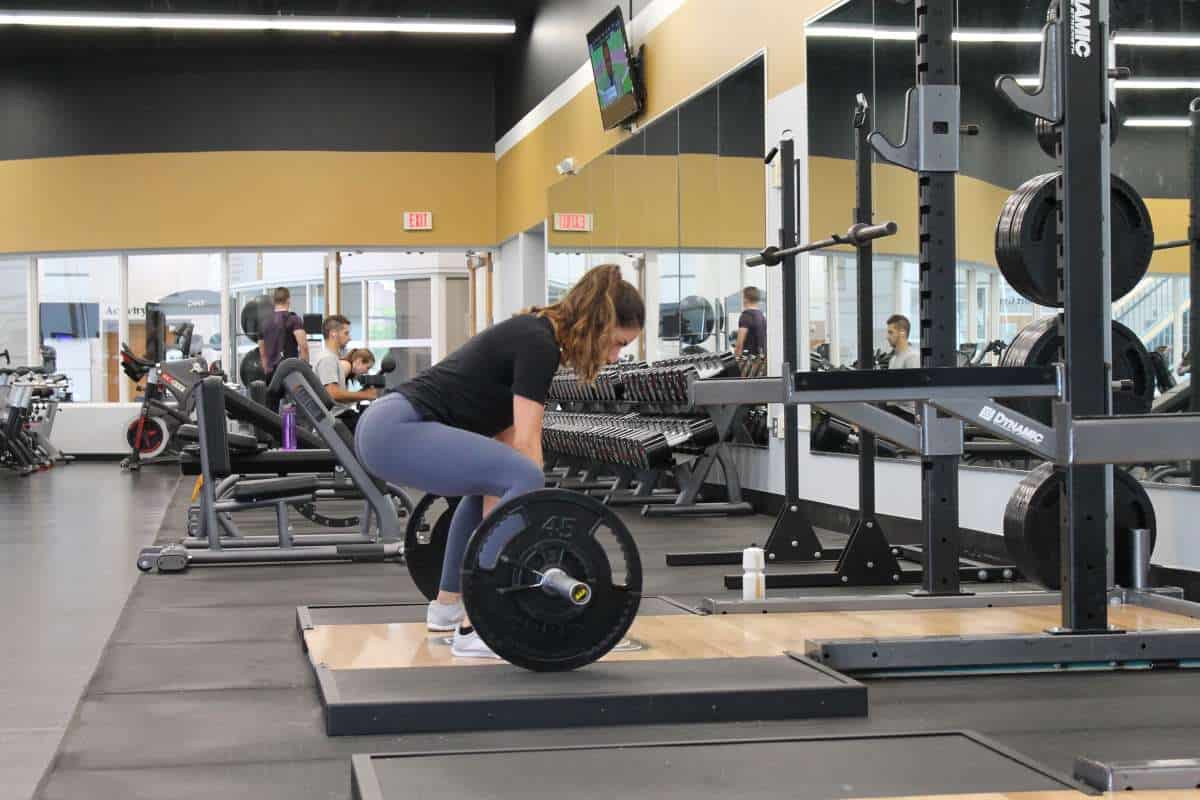
Perhaps working up a sweat is exactly what your doctor ordered. Exercising will distract you from wedding-related thoughts for a while and encourage your body to release feel-good endorphins. A weekly session of yoga, spin, or an extreme HIT class can do wonders for your body and mind.
Stay Connected with Your Fiance
It's easy to neglect the one you cherish the most as you plan your wedding because of all the chaos and stress. Dinner and a movie, or just the two of you, should be on the calendar once a week. And muster the guts to tell him if you're nervous about the wedding (it's normal to be). It's a good sign for your future together as husband and wife if the two of you can get through the anxiety of your engagement as a unit.
Delegate Tasks
Keep in mind that today isn't all about you. Don't think like you must do everything by yourself for your wedding; after all, it's a party for you, your fiance, and all your loved ones.
You probably wouldn't believe the number of your loved ones are itching to pitch in and help. We're not suggesting that you hand over all of the planning to your wedding party, but we are suggesting that you ask for assistance when you need it and delegate some of the smaller tasks.
A "divide and conquer" strategy can also be used when working with a partner. You and your partner could, for instance, divide and conquer the tasks of planning the event's floral arrangements, styling, decorations, and catering, while your other half handles the audiovisual elements. Never forget that you're all on the same team!
Adopt a Mantra
Can't stand spending time with your future mother-in-law? Get away from everyone and just close your eyes for a while. Take a deep breath in and imagine that you are at peace with yourself. Using a mantra like this can assist you in achieving the peace and tranquilly that monks and yogis have found through them for centuries.
Keep everything organized
Contracts, checklists, fabric samples, and bridal magazines can quickly accumulate, turning your home into something more akin to a battleground than a haven of calm for the happy couple. If you want to avoid having a nervous breakdown (and losing track of important documents), keep your home as neat and tidy as possible. Helpful hint: our assortment of budgeting, to-do list, table planner, and other organisational instruments will enable you to centralise and declutter your life.
Follow a Timeline
You may experience increased stress and anxiety as the deadline approaches if you tend to put things off until the last minute. Establish a clear wedding planning timeframe that allows you to get it all checked off at least 3 weeks around from the day of the wedding so that the final weeks leading up to the big day can be enjoyable, stress-free, and restful.
Take Care of Yourself
Really. Here's a great reason to step up your fitness routine before the big day if you haven't already: Exercising has a calming influence on one's mind and spirit. Get some exercise by strolling, jogging, or twirling around the kitchen. The body responds to any form of physical activity by releasing endorphins, which have a calming and mood-enhancing effect.
Prioritize Self-care
Just think about it: this is a major development! It's easy to put your own needs on the back burner with all the planning and celebration that goes into a wedding. Planning a wedding can be stressful, so it's necessary to take care of yourself in order you don't burn out.
It could be as simple as taking ten minutes out of your morning to take a walk, as regular as a 60 minutes of yoga every week, or as extravagant as a monthly spa day complete with massage, facial, and pedicure. Taking a break is a great way to recharge your batteries, improve your outlook, and mentally prepare you to continue with wedding preparations.
Skip town
Do you really, really need a break right now? It's possible that you need to look for new, more promising opportunities. Take a quick trip if you feel the need to get your bearings. Book a room at a quaint hotel or inn and unplug entirely (no verifying emails or sneaking your seating chart into your suitcase!) before the wedding. It's a great way to celebrate your love for one another and ease the stress of wedding planning at the same time.
Set Boundaries
It can feel like everyone you think has an opinion during the time spent preparing for a wedding. Family and friends will undoubtedly offer their opinions on everything from the menu to the guests' attire.
To put it simply, today is your day, and you should use it as you see fit. If your loved ones are making rather than alleviating the stress of wedding preparations, it's time to set boundaries. Saying "Thanks alot, we've got you covered!" or "Thankyou, that is something to consider about!" is a great way to express your gratitude while shifting the conversation's focus.
Allow Yourself to Be Nervous
To feel anxious is natural. We are taught that getting engaged should be a happy time, but in reality, it is not always that way. Fear is a normal companion to happy anticipation, and it is not always absent from the anticipation of a wedding. Even if you're unsure about marriage, that doesn't mean you aren't interested in finding a partner for life. Recognize that you are anxious, share your feelings with a trusted friend, and push through. Communicate with someone you know and trust if you feel your anxiety levels rising. She's a pro at helping people like you navigate the tricky waters of getting engaged, planning a wedding, and finally tying the knot.
Jot Down Your Feelings
Keeping a journal can be a safe and practical way to express difficult emotions. They won't waste away in worry as often. You should zero in on the source of your distress. It may help to keep the entry focused by giving it a title, like "Missing Dad," if you're writing about the loss of your father and the fact that he won't be at your wedding.
Delegate tasks
Even the most compulsive control freaks have to accept assistance once in a while. If you're not good at letting go of control, maybe you can delegate some of the smaller tasks to your closest friends and family, like filing paperwork or packaging wedding favours. Now that you have more free time, you can focus on what really matters to you.
You cannot save the planet by yourself, even if your name is Superman. Place cards, favour bows, and errand running are all tasks that could use some help from friends and family members during a wedding.
Hire a planner
If you're having trouble keeping track of all the meetings, consultations, and other wedding-related tasks, it's a good idea to hire a wedding planner. Since it is their job to make sure the marriage and reception occur without a hitch, they will take some of the load off your shoulders. If you weren't able to secure a sponsor when you first began planning, don't panic. Looking for a Wedding Event Planner? Look no further, Vines of the Yarra Valley have you covered.
Plan a Date Night
Even though a wedding is among the most significant days of a couple's lives, the planning process can be stressful. Planning a wedding can be stressful, but making time for regular date nights will help keep the spark alive. Finding time for each other, whether it's a romantic dinner for two or a night in front of the TV, will rekindle your love for each other and your relationship.
Choose the right vendor team.
The key to remaining calm all day long is to surround yourself with trustworthy vendors. It is common practise for wedding planners to maintain a prefered vendor list, comprised of businesses they have worked with repeatedly and can therefore recommend. Do your research, contact references, and have a question and answer session before approving any contracts if you're going it alone.
Pamper Yourself
It's possible that getting pampered with a manicure and pedicure at the spa can help you relax and unwind. When funds are tight, it's not the time to act like life is a vacation. Consider them necessities for maintaining composure and concentration. If a spa is out of your price range, unwind in the tub. There is nothing more relaxing than a good cleaning in the tub.
Put things into perspective.
When tensions rise, it's helpful to take a step back and assess the situation objectively. Just take a deep breath and remind yourself why you're doing this. Don't worry too much about things like the cake or the outfit, because the only important thing is that you say "I do."
Keep Things Separate
It can be difficult to take a moment away from wedding planning when vendors have been simply sending you reminder emails. In order to separate wedding-related correspondence from your regular inbox, you should create a dedicated wedding email address to use for all future correspondence. When you need to relax your mind and body, you can do so with this. Setting aside an hour or two each week can help you get everything done before the big day. Consequently, you need not fret about it constantly.
Track Your Budget
The wedding budget causes significant stress for many soon-to-be-weds. If you're stressed about your financial situation, taking a step back to examine your spending habits could help. Employing a budget calculator will help you zero in on your specific spending needs while also allowing you to keep close tabs on your spending. Also, it's a good idea to set aside some money, maybe 5 percent of your annual budget, to use in case of emergencies.
Stop Comparing
True comparison anxiety can make wedding planning a nightmare. In this age of social media, where Pinterest boards and Facebook news feeds are filled with pictures of beautiful weddings and receptions, it can be easy to start comparing your own wedding to those of others. To truly enjoy your wedding day, you and your partner should be able to relax and be yourselves. What about a carbon copy?
The time has come to delete your Pinterest nuptials board and put a stop to all that comparing shopping once you've decided on a wedding theme, collected a storyboard, and finished all of the major selections. Instead, think about how much fun you'll get at your own private celebration.
Set the Mood
Let's skip ahead towards the morning of your marriage, when jitters and anxiety may be setting in. The last hours of a traveler's life should be spent in an environment of peace and positivity. You can keep your cool and get through the morning without getting worked up by doing things like making a list of songs of your best songs, having a cup of ginger tea, or diffusing some lavender oil.
Remember Your Why
The final piece of advice we offer is the best we can give. Consider your motivation once again. The purpose of a wedding is not to throw a huge party for the guests. A wedding is a happy celebration where the bride and groom pledge their lives to each other in front of their friends and family. Wow, that's incredible! It's important to take a deep breath and refocus on the essentials in the middle of a tense environment. Need help planning your wedding? Check out our list of Wedding Event Planners here.
Conclusion
The days leading up to a wedding aren't always a joyous and exciting time. Keeping your cool and making sure the process goes smoothly is possible through a few different means. Establish a concrete plan of action immediately to take control of the situation. The point is enjoyment, not frustration. Feeling overwhelmed by all there is to plan for and remember leading up to, during, and after this major life change is normal.
Stress can be reduced even further with the help of a digital to-do list and corresponding reminders. Get out of your comfort zone and try something new like an HIT (high intensity training) class, a pottery or crochet course, or even a martial arts course. As you prepare for your big day, it's easy to forget about the person you care about the most. If you're feeling overwhelmed, don't be afraid to ask for help. Never lose sight of the fact that you're all playing for the same side!
Make cleanliness your mantra and maintain order at home. A wedding checklist should be completed at least three weeks before the big day. Taking a break will give you time to gather your thoughts, refresh your energy, and get you back in the mood to finish up the wedding planning. Your day is here and now, so do what you want with it. If you feel your anxiety levels rising, talk to someone you trust.
Delegate some of the smaller tasks to your closest friends and family if you struggle to let go of control. It's not easy to organise a wedding. Hiring a wedding planner is a good idea if you're having trouble keeping track of all the appointments and consultations necessary for the big day. Maintaining composure throughout the day's events is as simple as surrounding yourself with reliable suppliers. Taking a break from wedding preparations can be challenging.
If money worries have you down, taking a hard look at your spending habits might help. You should put aside some money each year—perhaps 5 percent—in case of unexpected expenses. It's important that on your wedding day, both you and your spouse can be comfortable and natural. It is not the point of a wedding to host a huge party for the guests. Weddings are joyful occasions where the bride and groom commit to each other for the rest of their lives.
Content Summary
- Taking care of yourself and keeping your cool are two of the most important things you can do to ensure a happy and stress-free wedding planning process.
- Taking care of the seemingly insurmountable list of things to do can be a major source of stress when planning a wedding.
- Don't think like you must do everything by yourself for your wedding; after all, it's a party for you, your fiance, and all your loved ones.
- A "divide and conquer" strategy can also be used when working with a partner.
- Establish a clear wedding planning timeframe that allows you to get it all checked off at least 3 weeks around from the day of the wedding so that the final weeks leading up to the big day can be enjoyable, stress-free, and restful.
- If you're having trouble keeping track of all the meetings, consultations, and other wedding-related tasks, it's a good idea to hire a wedding planner.
- Even though a wedding is among the most significant days of a couple's lives, the planning process can be stressful.
- Choose the right vendor team.
- If a spa is out of your price range, unwind in the tub.
- In order to separate wedding-related correspondence from your regular inbox, you should create a dedicated wedding email address to use for all future correspondence.
- To truly enjoy your wedding day, you and your partner should be able to relax and be yourselves.
- Instead, think about how much fun you'll get at your own private celebration.
- Consider your motivation once again.
- The purpose of a wedding is not to throw a huge party for the guests.
- It's important to take a deep breath and refocus on the essentials in the middle of a tense environment.
FAQs About Wedding Planning
A wedding planner will manage many of the tasks on your wedding checklist and help you with decor, venue selection, wedding music, dress ideas that match your style, and much more. And they don't have to be full-service. Some couples opt for partial-service planners.
It's a big commitment.
Regardless of how long your engagement is, planning a wedding is a significant investment of your time and energy. There are seemingly endless decisions to be made: the venue, the guest list, THE dress. It doesn't help that each step can be broken down into many micro-decisions.
Ironically, planning the day you and your partner celebrate your eternal love can cause a lot of tension between you. Of the 500 couples surveyed, 43 per cent of couples surveyed said wedding planning put a strain on their relationship.
Whether they seem less invested than you think they ought to be, or they're so invested that you guys can't agree on details, fights with your partner are unavoidable during the wedding planning process.
Finalizing a guest list may be the most stressful part of wedding planning. You, your fiancé, and both sets of parents often have opinions about who should (and shouldn't!) be invited on the big day. Cutting a guest can feel painful, but it's unrealistic to think that your budget and venue can accommodate everyone.
