7 Essential Wedding Planning Tips And Tricks

Start wedding planning by setting a realistic budget and securing key vendors early. Focus on guest comfort, trust your vendors, and prepare backup plans for weather or emergencies. Maintain your relationship through clear communication, divide tasks, and finalize details ahead of time to enjoy the day fully.

If you’ve ever tried to plan a wedding while juggling work, family opinions, and Melbourne’s unpredictable weather, you’ll know — it’s not for the faint-hearted. One minute you’re comparing floral quotes, the next you’re debating whether Uncle Rob really needs a plus one.

When my partner and I got married at the Vogue Ballroom in 2017, I thought my years in the industry had adequately prepared me. I was wrong. I still underestimated how easily “a few extras” turned into thousands. That’s why I always tell my couples: planning your wedding isn’t about perfection — it’s about preparation.

Think of it as building your dream day brick by brick. And just like any good build, you need a solid foundation: budget, organisation, and teamwork. These seven tips are the exact steps I use when guiding couples at Vines of the Yarra Valley. Follow them, and you’ll save money, reduce stress, and still have enough energy left to enjoy the dance floor.

1. Start With A Realistic Wedding Budget (And Stick To It)

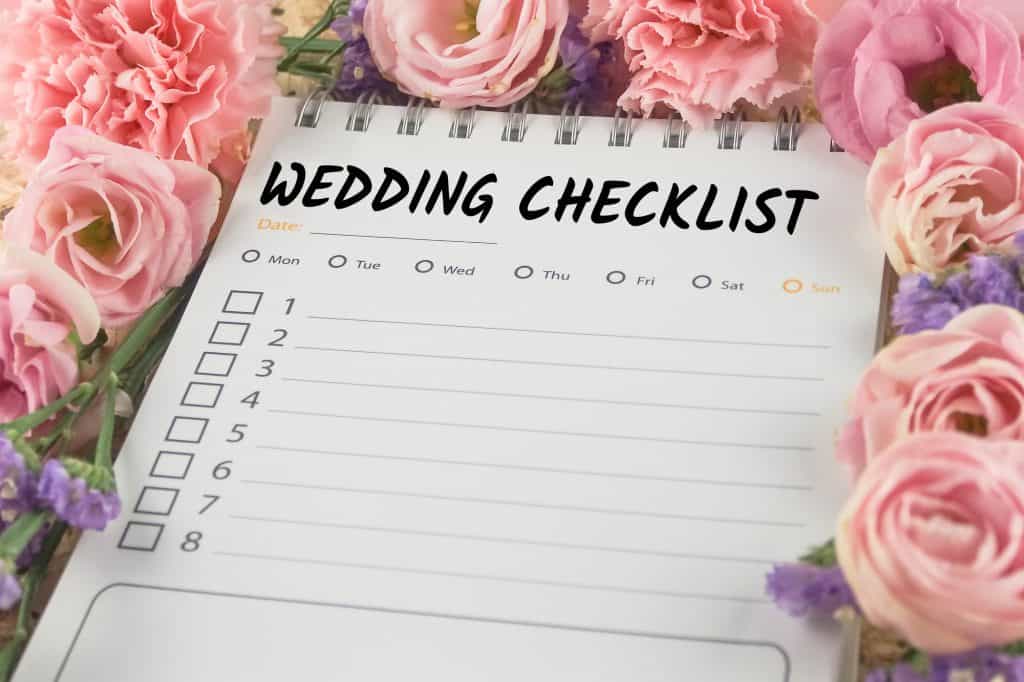
wedding checklist note paper on pink flower background

Every beautiful wedding starts with a spreadsheet — not champagne. It might not sound romantic, but budgeting is where your dream day either thrives or unravels. A clear, realistic budget sets the tone for every decision you’ll make, from your guest list to your gown.

Why Budgeting Early Saves Headaches Later

I once worked with a couple who booked a luxury venue before doing their numbers. When they later realised that catering and photography would add another $20,000, they had to cut their guest list in half — after sending save-the-dates. Painful lesson: set your budget first, then plan around it.

Sit down with your partner (and anyone else who is contributing) and discuss your total available funds. Be honest about what you can comfortably spend — weddings are emotional, but your bank account shouldn’t be.

Use this simple breakdown as a guide:

Category

Recommended Allocation

Example Cost (for $40,000 wedding)

Venue, food, drinks

45–50%

$18,000–$20,000

Photography & videography

10–12%

$4,000–$4,800

Attire & beauty

8–10%

$3,200–$4,000

Flowers & décor

8–10%

$3,200–$4,000

Entertainment

7–9%

$2,800–$3,600

Stationery & extras

3–5%

$1,200–$2,000

Contingency (must-have buffer)

10–15%

$4,000–$6,000

“Your budget isn’t about restriction — it’s about clarity. Once you know your limits, you can make decisions confidently instead of second-guessing every quote.”

Avoid Hidden Costs That Blow The Budget

Melbourne weddings can be sneaky. That dreamy vineyard venue might look perfect, but have you factored in everything?

Here’s a quick checklist couples often overlook:

Hidden Wedding Costs Checklist

  1. Vendor travel fees (especially for rural venues like the Yarra Valley)
  2. Power or generator hire for marquee weddings
  3. Council permits for outdoor ceremonies
  4. Cleaning and rubbish removal
  5. Corkage or cake-cutting fees
  6. Next-day pack-down or delivery costs

A couple I once worked with in Coldstream forgot to budget for transportation. They had to hire two mini-buses the week of the wedding — $1,000 gone in one phone call. Moral of the story? Always add a 10–15% buffer for unplanned costs.

Use Simple Tools To Track Spending

You don’t need fancy software — just discipline. A shared Google Sheet or a budgeting app works perfectly. Set aside 30 minutes each week to review what’s been paid and what’s left to book. This keeps both of you accountable and prevents “little” purchases — such as extra flowers or last-minute gifts — from derailing your plan.

I tell couples to think of their wedding budget like AFL footy training: consistency wins. It’s not about perfection; it’s about checking in regularly and making adjustments when needed.

2. Follow The Right Planning Order — Don’t Skip The Foundations

When couples tell me they’re “stuck” in the planning process, nine times out of ten, it’s because they started in the wrong order. They’ve fallen in love with a florist before choosing a venue, booking catering, or setting a guest list. It’s like trying to build a house from the curtains up — looks fine in theory, but the walls haven’t even been poured.

The “Build A House” Analogy For Weddings

Your wedding is a structure. The foundation (budget, guest list, and venue) supports the entire build. Once those are in place, the rest — flowers, photography, and stationery — falls into place naturally.

I once had a couple book a vineyard before confirming their guest list. They later realised half their family couldn’t travel that far, which meant reshuffling invitations and contracts. In the end, the “perfect venue” cost them an extra $4,000 in changes.

To stay on track, follow this simple planning order:

Wedding Planning Order Checklist

  1. Set your budget – Know your spending limits.
  2. Draft your guest list – Numbers drive costs and venue size.
  3. Book your venue – Confirm date, location, and inclusions.
  4. Hire key vendors, including a planner, caterer, photographer, celebrant, and entertainment.
  5. Confirm the styling and design direction – including colours, florals, décor, and layout.
  6. Send invitations – Once the key logistics are locked.
  7. Focus on details – Seating chart, signage, and personal touches.

Getting this order right doesn’t just save you time; it saves you money and stress. Venues influence catering style, décor, lighting, and even your timeline. Without locking that in early, you’re guessing — and guessing gets expensive.

Why You Should Hire A Planner Before A Venue

Now, this might sound biased coming from someone who’s worked in wedding venues for years — but hear me out. A professional planner can help you see the fine print before you sign it.

A couple I met in Ringwood once booked a beautiful barn venue without checking the curfew — 9 p.m. sharp. Their DJ was still warming up when the council inspector popped in. Had they consulted a planner first, they could’ve chosen a venue with more flexible hours and saved a few thousand in penalties and logistics.

Why hiring a planner first pays off:

  • They are familiar with local council rules and permit requirements.
  • They can review contracts for hidden terms and conditions.
  • They’ll ensure the space suits your guest count, layout, and vibe.
  • They have access to trusted vendor networks — often with better rates.

If you’re going the DIY route, be sure to read every venue clause carefully. Ask about curfews, noise limits, bump-in/bump-out times, and access for suppliers. Melbourne venues, especially those in the inner city, can be strict about these.

Focus On Big-Picture Vendors First

Before you order napkins or start designing favours, secure your major players — the ones who’ll shape the experience. This includes catering, photography, music, and floristry. Here’s the rule I use with my couples: If it requires a deposit and has limited availability, book it as soon as possible.

That means:

  • Venue and catering: 12–18 months out
  • Photographer/videographer: 10–12 months out
  • Entertainment: 9–12 months out
  • Florist and stylist: 6–9 months out
  • Hair and makeup: 4–6 months out

Securing these big-ticket vendors early gives you the breathing room you need later. It also helps you make cohesive decisions — for example, knowing your florist’s colour palette before ordering linens or candles.

When I planned my own wedding, I left music until last, thinking “we’ll just get a playlist.” Two weeks prior, we scrambled to find a band. Lesson learned: prioritise the experience, not just the aesthetics.

3. Choose Vendors You Trust — Compatibility Matters

I’ve said this a hundred times at Melbourne wedding expos: your vendors are the architects of your celebration. They build the day from the ground up. And just like any good team of builders, they need to understand your blueprint — and each other.

Booking vendors isn’t just a numbers game or about who’s offering a “package deal.” It’s about chemistry, trust, and shared vision. Because once the confetti settles, it’s the people behind the scenes who’ll make sure everything runs smoothly.

Research And Reputation Over Price Tags

I once met a couple who booked their photographer purely based on cost. The images were fine, but the photographer’s style didn’t match the relaxed, candid feel they were going for. They later told me, “We saved $1,000 but lost the magic.” Cheap can become expensive if it doesn’t fit your vision. Before signing any contracts, conduct thorough vendor vetting to ensure a secure and reliable partnership.

Vendor Research Checklist

  1. Read reviews from real couples — especially local ones.
  2. Check their social media activity — do they engage professionally?
  3. Ask how they handle pressure — Melbourne weather, traffic, or tight schedules test everyone.
  4. Look for consistent quality — a solid portfolio shows reliability, not just a few highlight shots.
  5. Schedule a meeting or Zoom call — see if you actually like them. You’ll spend a lot of time together.

When I work with couples at Vines of the Yarra Valley, I always remind them: choose the vendor who feels right, not just the one who is available. You’re building a temporary family for one day — make sure everyone’s pulling in the same direction.

Contracts Are Your Safety Net

You wouldn’t buy a house without reading the fine print, right? The same goes for wedding vendors. A well-written contract serves as your safety net against misunderstandings, cancellations, and budget overruns.

At a Yarra Valley wedding I coordinated, a band tried to charge extra for “travel time” on the day — even though they were only 30 minutes away. Thankfully, the couple’s contract clearly listed “travel included,” so they didn’t pay a cent more.

Contract Essentials Table

Contract Element

Why It Matters

Example Clause

Payment Schedule

Avoids last-minute confusion

“Final payment due 14 days before the event.”

Overtime Fees

Protects against surprise costs

“$200/hour overtime charge.”

Cancellation Policy

Clarifies refund rights

“Deposit non-refundable after 60 days.”

Deliverables

Defines expectations

“The photographer provides 800 edited images.”

Backup Plans

Ensures service continuity

“Vendor to arrange substitute in case of illness.”

If it’s not in writing, it doesn’t exist. Always double-check that every promise — verbal or written — is reflected in the contract. And don’t be afraid to ask questions. A professional will welcome them; a dodgy operator will dodge them.

Let Experts Do Their Job

Once your vendors are booked, the hardest (and most important) step is to trust them. Micromanaging will only drain your energy and theirs. You hired them because they’re specialists — so let them do what they do best.

I once had a bride email her florist a 12-page “instruction manual” on how to tie ribbons on bouquets. The florist followed it to the letter… and the result looked mechanical, not magical. Creative professionals thrive on trust, not supervision.

Instead, focus your attention where it matters: communication and clarity. Be open about what’s important to you, then step back. It’s far better to enjoy your morning mimosas than to worry about napkin folds.

4. Create A Guest Experience They’ll Remember (For The Right Reasons)

Here’s something I’ve learned after two decades of weddings — guests might forget the centrepieces, but they’ll never forget how they felt. A beautiful setup means nothing if your guests are hot, hungry, or lost between the ceremony and the reception. A visually stunning wedding can fall flat if the logistics aren’t well-organised. Guest experience isn’t a luxury — it’s the glue that holds the day together.

Comfort And Clarity Come First

I’ll never forget a summer wedding at a winery where the couple chose to forgo shade for the ceremony because, as they said, “the view was better.” Twenty minutes in, half the guests were squinting, one groomsman was sweating through his jacket, and the celebrant nearly fainted.

Melbourne’s weather can change faster than a Richmond lead in the final quarter, so plan accordingly.

Guest Comfort Tips

  • Outdoor ceremonies: Provide shade umbrellas, handheld fans, or water bottles to keep guests comfortable.
  • Winter weddings: Offer blankets or heaters. I’ve even seen hot chocolate carts for extra charm.
  • Elderly guests: Ensure easy access and seating near exits for a seamless experience.
  • Kids: Create a small entertainment area or activity packs to keep them busy.

And please — include a wet-weather backup plan and let guests know about it. No one likes arriving in stilettos at a muddy paddock.

Clarity is another kindness. Use clear signage and a wedding website, or include cards with parking details, shuttle information, and dress codes. I once saw a guest show up to a formal black-tie wedding wearing a floral sundress because “the invite didn’t say.” Save everyone the guesswork.

Smart Seating = Happy Guests

Seating charts aren’t just about logistics; they shape the mood of your reception. A well-planned table layout encourages conversation, comfort, and laughter. A poor one? Awkward silence and empty champagne glasses.

Here’s a quick system I often use with couples:

The “Balanced Table” Formula

  1. Mix familiarity and novelty: Seat guests with at least one familiar face, but not an entire friendship group.
  2. Group by vibe, not age: Your cousin who loves footy might get along better with your uni mate than your 70-year-old aunt.
  3. Avoid known conflicts: Obvious, yes — but you’d be amazed.
  4. Prioritise accessibility: Place older guests closer to exits, restrooms, and quieter corners.

One couple I worked with created themed tables based on shared interests — “The Travellers,” “The Foodies,” and “The Music Lovers.” It provided guests with instant conversation starters and kept energy levels high throughout the night.

Don’t Forget Travel And Timing Logistics

I’ve seen wedding schedules derail simply because no one considered transportation. Melbourne’s mix of suburban and rural venues can make logistics tricky. If your ceremony is in one place and the reception’s elsewhere, plan every transition — including travel time, parking, and shuttle options.

For Yarra Valley weddings, I usually suggest:

  • Chartered minibuses for guests — easier (and safer) than relying on taxis or rideshares.
  • Dedicated driver for the bridal party — keeps everyone on schedule.
  • Printed map or QR code linking to navigation apps, especially if there’s patchy reception.

When your guests arrive relaxed, they’re ready to celebrate. And when they leave, they’ll talk about how seamless everything felt — even if you know it took military-level coordination to make it happen.

5. Always Have A Plan B (Contingency Plans Save Weddings)

If there’s one universal truth about weddings, it’s this: something will go wrong. Maybe it’s the weather, the transport, or a missing buttonhole flower. The couples who stay calm aren’t “lucky” — they’re prepared. A contingency plan isn’t about expecting disaster; it’s about removing fear. When you’ve already mapped out your backups, nothing can really rattle you.

Weather And Venue Backups

Melbourne couples, listen carefully: four seasons in one day isn’t a myth — it’s a promise.
I’ve seen brides walk down the aisle in sunshine, only to cut the cake under thunder. That’s why every outdoor wedding needs a Plan B that’s as beautiful as Plan A.

Here’s what I recommend:

  • Book a tent or marquee early, even if you don’t think you’ll need it. You can always cancel it later (check refund policies first).
  • Confirm your venue’s backup space — ask about capacity, décor, lighting, and how quickly the staff can set it up.
  • Communicate the plan to vendors and guests in advance. The worst chaos happens when no one knows what’s next.
  • Prepare footwear swaps — keep spare flats or wedges for you and your bridal party in case the shoes get soggy.

One Yarra Valley couple I worked with had to shift their ceremony indoors 30 minutes before guests arrived. Because they’d rehearsed the move the day before, it went off without a hitch. Guests thought it was meant to happen that way. That’s the power of preparation. “Rain on your wedding day isn’t bad luck — disorganisation is.”

Backup Vendors And Insurance

Even the most reliable professionals can have emergencies. In 2022, a Melbourne DJ came down with COVID the night before a wedding. Luckily, the couple had a backup contact list of local DJs through their planner — and the show went on.

Always ask your vendors:

  • “If you’re unavailable, who replaces you?”
  • “Do you have backup equipment?”
  • “How much notice do you need if we have to reschedule?”

And then there’s the safety net that too many couples skip — wedding insurance.

Types of Wedding Insurance (Australia)

Insurance Type

Covers

Average Cost (AUD)

Cancellation Insurance

Non-refundable deposits lost due to illness, weather, vendor failure, or unforeseen events

$200–$400

Public Liability Insurance

Injury or property damage during your event (often required by venues)

$100–$250

Combined Policy

Covers both cancellation and liability

$300–$500

A venue like Vines of the Yarra Valley will usually require liability cover as part of your hire agreement. It’s not bureaucracy — it’s protection. Without it, even a guest tripping over a cable could become an expensive headache.

6. Protect Your Relationship While Planning

Weddings are meant to celebrate love, but let’s be honest — the planning process can test it. Between budgets, family opinions, and differing ideas of what “simple” means (trust me, no wedding is simple), emotions can run high.

When I got married in 2017, I learned firsthand that a wedding isn’t just a project — it’s a joint emotional workout. Maintaining your connection is just as important as selecting the right dress or venue.

Stop Trying To Please Everyone

If I could give engaged couples one piece of advice, it’s this: you cannot please everyone.
I’ve seen brides exhaust themselves trying to accommodate every request — gluten-free meals for distant cousins, colour palettes for in-laws, playlists for Aunt Cheryl’s Zumba group.

The result? A wedding that looks great on paper but doesn’t feel like them. Before booking a single supplier, sit down together and define what matters most to you. Ask yourselves:

  • What do we want the day to feel like?
  • Who are the non-negotiable guests?
  • What traditions actually mean something to us?

Then, when those inevitable family opinions roll in, you can politely say, “We’ve already made decisions that reflect our vision.” Boundaries aren’t rude — they’re responsible.

A Melbourne couple I worked with once allowed their parents to take control of the guest list, which ballooned to 180 people. Six months later, they were stressed, broke, and regretting every RSVP they had made. They cut it back to 100, and the wedding finally felt right again.

“Your wedding should reflect your story — not everyone else’s expectations.”

Divide And Conquer

Here’s a practical trick that works wonders: divide planning duties based on strengths. If one of you loves spreadsheets and the other loves creative details, lean into that.

Here’s how one of my Yarra Valley couples split things up:

  • She handled styling, flowers, and attire.
  • He managed catering quotes, vendor payments, and logistics.
  • They both approved major decisions together during Sunday night “wedding check-ins.”

This system maintains open communication and minimises resentment. You’re not doubling up on work or stepping on each other’s toes — and you stay connected through the process.

Pro Tip: Schedule a “no-wedding talk” night once a week. Go out for dinner or binge-watch your favourite show. No budget chat allowed.

7. Finish Strong – Handle The Last Details Early

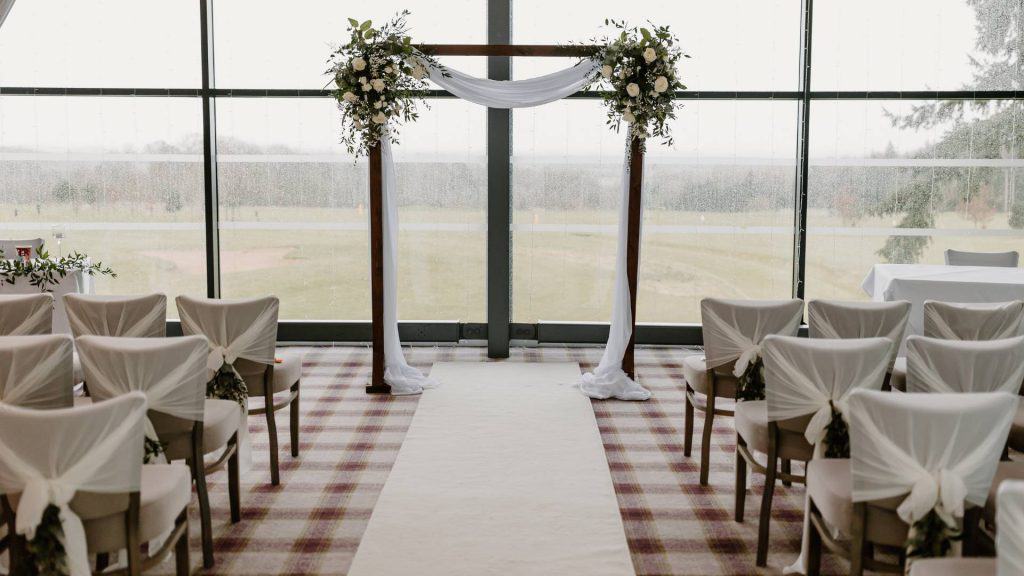
choosing wedding venue

In the final stretch before your wedding, you’ll feel two competing forces: excitement and chaos. The best way to keep that chaos in check is to tackle the “last-minute” details weeks before they’re technically due.

I’ve seen too many couples spend their wedding eve tying place cards or ironing napkins. That’s not romance — that’s retail work.

What To Finalise Weeks Before

At least two weeks before the big day, aim to have all logistics squared away. This keeps you calm and allows vendors to deliver seamlessly.

Final Two-Week Checklist

Task

Ideal Timing

Why It Matters

Confirm all vendor arrival times

14 days prior

Avoids confusion on the day

Review the final seating chart

10 days prior

Prevents last-minute reshuffles

Approve final run sheet

7 days prior

Keeps every vendor aligned

Prepare final payments

5 days prior

No chasing invoices mid-makeup

Pack a “wedding day kit”

3 days prior

Band-Aids, sewing kit, deodorant, snacks

Drop décor or signage at the venue

2 days prior

Reduces rush and clutter

Rehearse the ceremony timing

1 day prior

Keeps everyone in rhythm

One of my couples once did a “wedding dry run” the weekend before — walking through each transition, from ceremony to canapés. On the day, they flowed through like seasoned event planners.

Delegate On The Day

I can’t stress this enough: you should not be managing logistics on your wedding day.
If someone asks, “Where should the DJ set up?” the correct answer is, “Ask the coordinator.”

Whether you hire a professional planner or appoint a trusted friend, hand over the reins and provide them with a printed contact list for all vendors, as well as a copy of your timeline. Once the morning arrives, your only job is to be present.

Weddings are a balancing act of excitement, logistics, and emotions. But when you plan with purpose — and a solid timeline — everything falls into place. These seven tips aren’t just “nice-to-haves”; they’re the framework that turns chaos into calm.

From budgeting smartly and hiring vendors you trust, to considering guest comfort and weather contingencies, the key is simple: control what you can, and prepare for what you can’t.

Suzie & Eugene got married at Vogue Ballroom in 2017 and had the best day of their lives! Ever since they have worked closely with Vogue Ballroom & Vines of the Yarra Valley.

For queries please contact via [email protected].

Posted in
Scroll to Top
Google Rating
4.8
Based on 199 reviews
Facebook Rating
4.9
Based on 379 reviews
js_loader