
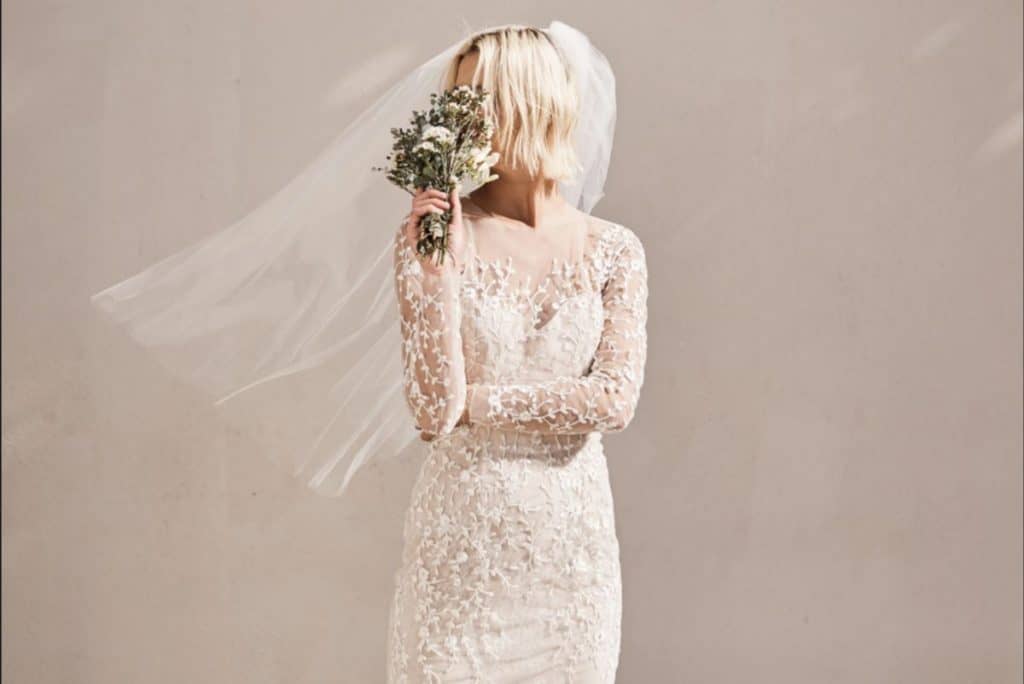
Many of the rules and customs associated with being a wedding guest, such as the colours you're not allowed to wear, have evolved over the years. It has come to light that colours that were earlier thought inappropriate for wedding attire (like black) are now generally accepted. There are, however, colours you should avoid, some of which may come as a surprise.
The best colours to wear to a wedding are ones that won't draw too much attention to yourself and will help you blend in with the crowd. Remember that the bride deserves to be the centre of attention on her big day, so avoid wearing eye-catching hues or patterns. Unless otherwise desired by the couple, white attire is inappropriate.
It's important to remember that there are certain colours you should avoid when searching your closet for the perfect dress to wear to an upcoming wedding on your calendar, lest you commit any attendee faux pas, such as being mistaken for the bride, a maid of honour, or even just a guest who stumbled into the wrong party. To that end, proceed. Get everything out on the table, and right away cross off any clothes that are one of these colours or fabrics, lest you end up becoming that guest.
Check out our ultimate Melbourne Wedding Dress Shops to take away some of the stress of finding the perfect gown.

Confusion often arises while trying to decipher the rules governing wedding attire. It mostly depends on the couple getting married. But there is a hidden style that most people aren't aware of. This is why I looked into the best and worst hues to wear to a wedding.
White has always been considered inappropriate for wedding guests since no one wants to steal the spotlight from the bride. However, the tides are turning. Many people today no longer consider it noteworthy to dress entirely in white. That's fine with some couples getting married. They may even suggest that attendees wear white to emulate the colour scheme of royal and celebrity weddings by creating a monochromatic look for the rehearsal dinner and the ceremony.
Couples today are more open-minded than in the past, and as a result, traditional wedding dress codes are relaxing. Some brides are forgoing the gown in favour of exquisite slacks, some grooms are opting for pastel suits instead of the standard black tux, and even bridesmaids are moving away from the one-and-done style in favour of something more versatile. How would you define that? Visitors are free to wear whatever suits their fancy.
But before you throw on your most comfortable jeans and call it a day, there are a few things to keep in mind while you get ready to show proper respect for the bride and groom. Although some of the guidelines, such as the prohibited colour palette, are very simple to implement, others, such as the definition of "beach-formal clothing," may require a bit more preparation.
Try not to fret. After reading this, you'll be prepared to comply with any dress code requirement. When we're in our mid- to late-20s, it can feel like everyone we know is getting married all at once. In certain cases, this may even include your own wedding.
Even if it hasn't been too long since you've been to a wedding, you could benefit from a refresher on what to wear and what to leave at home, so here's a quick guide to what to dress.
Too busy with life to really plan your wedding in detail? Have someone else do it for you and check out our list of Wedding Planners in Melbourne to help take the stress away.
Table of Contents
Wearing White
Many people view this as an outdated principle. Could be the bride is really chill and doesn't give a hoot. It's true that some guests may take offence if you show up in a white dress to their wedding. Women who attend weddings and wear white are making a huge fashion faux pas. To avoid hurting the bride's feelings, you should avoid wearing anything even faintly bridal-looking. Never choose an outfit that could be confused for a wedding gown.
Some people may tell you that it's fine to wear white to a black tie event, but others will warn you that it will make you the "girl who wore white at so-and-wedding" and that you'll be the subject of gossip. Simply put, it's not a good idea.
Put away your white dress for a special event that doesn't entail wedding vows and let the bride be the centre of attention on her big day. It isn't recommended an all-white outfit in that case. Even if you wear white and feel like a million bucks, it won't matter if she stares coldly at you instead of saying "I do" on her wedding day. The rule is broken, however, by white dresses with bright colour patterns.
Despite the fact that this seems to be general information these days, I've lately attended a couple weddings and seen at least one attendee wearing a substantial amount of white, so I figured it was worth clarifying.
Wearing an all-white outfit to a wedding is frowned upon unless guests have been specifically invited to do so by the bride and groom. Avoid wearing anything that could be mistaken for a wedding dress, including white, off-white, beige, cream, or white lace.
The most often colour avoided at weddings is still white. A bride needs to stand out from the crowd, especially because 80% of brides wear white on their wedding day. A guest in white could be misunderstood as trying to steal the spotlight from the bride, even if that wasn't their intention.
Avoid wearing anything that may be misconstrued for white when the lights are low and everyone around you is raising a glass to their third celebratory libation. This includes shades of off-white, eggshell, beige, champagne, cream, and other similarly pale hues.
The only acceptable use of white is as part of a pattern on a dress; nonetheless, you should avoid wearing all-white or wedding-themed attire. You don't have to wear the same colour as the bride; there are plenty of options. It's fine to wear the adorable sundress with blue and white stripes. Don't go for the floor-sweeping lace gown, though.
Wearing Black
This shade is therefore somewhat complex. When it comes to weddings, black was once considered impolite. The little black dress has become the new standard in wedding apparel. Make sure your all-black outfit doesn't look too funeral-like if you must wear it. Have you attended a funeral in that dress? Retire it to the closet and look elsewhere. Don't wear black if you don't approve of the wedding, either.
It's often said that every woman should have a "little black dress" (LBD) in her closet to wear to cocktail parties, happy hours, and date nights, but can LBDs also be appropriate for weddings? It turns out that it is!
The little black dress has become the standard attire for formal events such as weddings. In case you don't already own one, now is the time to go shopping for your new favourite little black dress (LBD).
Do the weddings involve Hindu traditions? Since the colour black is considered to be unfortunate in Hindu ceremonies, guests are advised to not wear it to any marriages. Because it is associated with death, white is likewise frowned upon for use in Hindu ceremonies; yet, as we discussed before, white is also one of the colours that is never suited for a wedding.
Ignoring the Dress Code on the Invitation
It's fairly uncommon for guests attending a wedding to not double-check the dress code specified on the invitation. If it's a black-tie event, you'll need an evening gown or cocktail dress; if it's a white-tie event, you'll need a ball gown; and if it's a lounge suit event, you'll want to wear something light and airy but not too casual for the weather. A bright summer ensemble is always acceptable, unless otherwise stated. Compliance to the established dress code is encouraged. A wedding is a really classy occasion. Avoid the temptation to wear your bachelor or bachelorette party dress again. This is not the time or place to show off your body in slinky dresses, despite the fact that the reception will undoubtedly have dancing and attractive bachelors. Sexy clothes are par for the course for a bachelorette party.
Wedding hair and makeup is almost as important as the gown. Check out our top 90 Hair & Makeup Artists here.
Dressing Like the Bridesmaids
Outfits for guests at a wedding shouldn't be clones of the bridesmaids' dresses. To complement the wedding's theme, some guests research the event's colour palette and select an outfit accordingly. However, if you wear the same dress as the bridesmaids, it may seem as though you took offence at being passed over for the role. It's inevitable that some guests may show up dressed in the same hue as the bridesmaids.
Dressing like the bridesmaids, especially if you're not one of them, can make you look like a poser. Don't be bashful about asking the bride or one of the bridesmaids what colour they're wearing so you can cross that shade off your list of acceptable attire options for the big day. What if, though, you don't know the bride or any of the bridesmaids? You can learn a lot from the wedding invitation about what not to wear by looking at the colours displayed on it.
If you have a close relationship with the bride, you may want to find out in advance what colour the bridesmaids' dresses will be. Wearing a mint green dress that isn't the same as the others in the bridal party will make you stand out as an awkward outsider during the wedding.
Neon/Brights
You shouldn't wear anything that would steal the spotlight from the bride. You'll stand out in any photo taken while wearing a neon green dress. You don't have to be shy, but you also shouldn't go all out with your outfit. You may be available and single at the moment, but this isn't the place to do it.
There's actually no reason not to wear a red dress to a wedding. In reality, red's primary flaw is that it immediately grabs the viewer's attention. And if everyone else is wearing pastels, the one person in a bright red dress will stick out like a sore thumb in the group shots. A good rule of thumb is to never wear red if you don't want to be the centre of attention. Even more so if the colour of the outfit might be called "fire engine red." A bright and distracting shade of red. In this case, the alternative is a deep cranberry.
Red is a traditional colour for brides to wear not just in Chinese but also in Indian weddings. Avoid wearing red to a wedding in one of these cultures so as not to steal the spotlight away from the bride.
Too-Sparkly Metallics
Wearing an overly beaded or sparkly outfit to a daytime or informal wedding is not a good idea. It will be interpreted as an attempt to draw undue attention to oneself, much as wearing white, and is therefore not cool. Dressing up in a glittering gown is typically acceptable if the wedding you are attending is formal or black tie; however, you should avoid wearing a garment that could be mistaken for the bride's gown.
Despite the fact that you may have a once-worn ballgown hanging in your closet, you should resist the urge to break it out again for this occasion. Avoid wearing full-body sequins. As a result of their high reflective properties, they can be challenging to shoot.
Even if the couple has specified a specific theme on the invitation, it's best to stay on the safe side of safety and go with something else. The club is the ideal setting for your disco ball persona, but the family reunion is not.
You should hold off on the glitz until your bridal shower or a Saturday night out on the town. If you don't want to draw attention to yourself, avoid wearing something shiny or flashy. Your disco-ball dress may steal the spotlight from the bride when she should be the centre of attention.
Conclusion
When attending a wedding, it's advisable to wear colours that won't make you stand out too much from the crowd. Don't stand out by wearing bright colours or bold patterns. The wedding party should not wear white unless the bride and groom specifically request it. It's become a tradition for several notable couples to wear all white. Since modern-day couples are more accepting of one another, traditional wedding clothing restrictions have become more liberal.
It won't take much effort to adhere to some of the rules, such as the one dictating the colour scheme. While some questions can be answered quickly, others, like what constitutes "beach-formal clothes," may need more time and thought. Unless requested by the couple, visitors should not wear all white to the wedding. Please refrain from wearing anything that could be mistaken for a wedding dress, such as white, off-white, beige, cream, or white lace. The famous "little black dress" (LBD) is a wardrobe staple that many women believe every woman should own.
Are little black dresses ever acceptable for weddings? It's possible to come out as a fake if you dress like the bridesmaids. If you want to stand out, wear a mint green dress that is different from everyone else's. Although most commonly associated with Chinese and Indian weddings, red is also a common colour for brides to wear at Western ceremonies. If the wedding you are attending is formal or black tie, you can get away with wearing a glitzy dress.
Do not wear sequins over your entire body, as they are difficult to photograph. When the focus should be on the bride, your disco ball dress may steal the show.
FAQS About Wedding Attire
Evening wear is most appropriate here. For men, this typically means a dark tuxedo, a white dress shirt, a coordinating bow tie, a cummerbund, and suspenders (optional). Dress shoes, like oxfords, are suitable. Women can wear either a long gown or a dressy cocktail dress.
Modern courthouse brides will be drawn to jumpsuits, sleek separates, and tailored suits, while statement-making brides should go for bold silhouettes with asymmetrical bodices and exaggerated ruffles. And for the bride-to-be with a classic aesthetic, a simple satin or lace dress is forever timeless and elegant.
- Don't wear white.
- Don't upstage the bride.
- Invest in accessories.
- Don't wear anything too skimpy.
- Don't dress too casually.
- Wear colour in summer.
- Bring a pair of flats.
- Avoid wearing black.
Although it's non-traditional, some brides wear dark colors on their big day, and attendants are often in black attire for more formal weddings. It is perfectly acceptable and chic to wear black to evening, black tie, and winter weddings.
- White.
- Off white or ivory.
- All Black.
- All Red.
- Gold.
- Overly sparkly or heavily metallic.
- Bridesmaid dress colour.
- Mother of the bride or groom dress colour.
CONTENT SUMMARY
- Many of the rules and customs associated with being a wedding guest, such as the colours you're not allowed to wear, have evolved over the years.
- The best colours to wear to a wedding are ones that won't draw too much attention to yourself and will help you blend in with the crowd.
- Unless otherwise desired by the couple, white attire is inappropriate.
- Confusion often arises while trying to decipher the rules governing wedding attire.
- This is why I looked into the best and worst hues to wear to a wedding.
- Couples today are more open-minded than in the past, and as a result, traditional wedding dress codes are relaxing.
- But before you throw on your most comfortable jeans and call it a day, there are a few things to keep in mind while you get ready to show proper respect for the bride and groom.
- Put away your white dress for a special event that doesn't entail wedding vows and let the bride be the centre of attention on her big day.
- The rule is broken, however, by white dresses with bright colour patterns.
- Wearing an all-white outfit to a wedding is frowned upon unless guests have been specifically invited to do so by the bride and groom.
- Avoid wearing anything that could be mistaken for a wedding dress, including white, off-white, beige, cream, or white lace.
- The only acceptable use of white is as part of a pattern on a dress; nonetheless, you should avoid wearing all-white or wedding-themed attire.
- Make sure your all-black outfit doesn't look too funeral-like if you must wear it.
- It's often said that every woman should have a "little black dress" (LBD) in her closet to wear to cocktail parties, happy hours, and date nights, but can LBDs also be appropriate for weddings?
- The little black dress has become the standard attire for formal events such as weddings.
- In case you don't already own one, now is the time to go shopping for your new favourite little black dress (LBD).Do the weddings involve Hindu traditions?
- Since the colour black is considered to be unfortunate in Hindu ceremonies, guests are advised to not wear it to any marriages.
- It's fairly uncommon for guests attending a wedding to not double-check the dress code specified on the invitation.
- Compliance to the established dress code is encouraged.
- Outfits for guests at a wedding shouldn't be clones of the bridesmaids' dresses.
- Dressing like the bridesmaids, especially if you're not one of them, can make you look like a poser.
- You'll stand out in any photo taken while wearing a neon green dress.
- There's actually no reason not to wear a red dress to a wedding.
- A good rule of thumb is to never wear red if you don't want to be the centre of attention..
- Avoid wearing red to a wedding in one of these cultures so as not to steal the spotlight away from the bride.
- Wearing an overly beaded or sparkly outfit to a daytime or informal wedding is not a good idea.
- Dressing up in a glittering gown is typically acceptable if the wedding you are attending is formal or black tie; however, you should avoid wearing a garment that could be mistaken for the bride's gown.
- If you don't want to draw attention to yourself, avoid wearing something shiny or flashy.
