
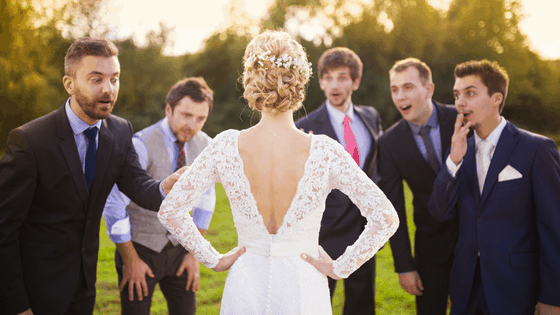
7 Wedding Makeup Mistakes You Don’t Want to Make

Brides avoid makeup disasters by planning early, starting with a trial, proper skincare, and choosing the right foundation. Use long-lasting, waterproof products, test under real lighting, and keep your look natural. Always prepare a touch-up kit to maintain flawless makeup through your wedding day.

7 Wedding Makeup Mistakes You Don’t Want To Make

Every bride dreams of that moment — walking down the aisle, heart thumping, guests smiling, cameras flashing — and feeling completely confident in her look. But here’s the truth: even the most beautiful gown or elaborate hairstyle can’t save you from a makeup mishap that shows up in every photo. I’ve seen it firsthand — a few tiny mistakes that could’ve been easily avoided end up haunting brides long after the confetti’s swept up.

Your wedding day isn’t just another event. It’s an emotional marathon, a full day under the lens, and a test of how well your makeup can stand up to hugs, heat, tears, and the occasional champagne spill. That’s why understanding the most common wedding makeup mistakes to avoid is so essential — not to scare you, but to help you sidestep the traps that catch so many brides out.

Over the years, working with brides from the humid beaches of Byron Bay to the dry country weddings near Dubbo, I’ve learned that getting your makeup right is part preparation, part planning, and part selecting the right team. Whether it’s skipping your trial session, using the wrong foundation shade, or forgetting waterproof mascara, every detail matters.

This isn’t just another list of bridal makeup errors — it’s a guide built from experience. You’ll find local insights, realistic timelines, and makeup tips for brides that fit our Australian climate and wedding culture. Think of this as your behind-the-scenes briefing before your big day — because once you’re in that gown, there’s no turning back.

Let’s dive into the seven bridal beauty do’s and don’ts that will make all the difference between a quick touch-up and a total wedding day makeup blunder.

1. Skipping The Makeup Trial — The Most Costly Bridal Makeup Error

If I had a dollar for every bride who told me, “I’ll just decide on the day,” I’d have a lifetime supply of setting spray. Skipping a makeup trial is one of the most common — and avoidable — bridal makeup errors I see. It might seem like a harmless way to save a bit of time or money, but trust me, it’s a gamble that rarely pays off.

I once worked with a bride in Perth who’d skipped her trial because she’d “done her own makeup for years.” On the morning of her wedding, the foundation oxidised within an hour of application — turning two shades darker under the summer sun. The photographer’s edits took twice as long because of the colour correction required. That day became my personal reminder: never let a bride walk down the aisle without a trial run.

Why A Trial Session Isn’t Optional

A wedding day isn’t the moment to experiment. Every bride’s skin type, tone, and texture is different — and so are the lighting conditions, venue atmosphere, and even the day’s emotions. A makeup trial helps uncover all those small but crucial factors ahead of time.

Without it, you risk:

  • Discovering your “perfect” foundation causes flashbacks in photos.
  • Realising the lashes feel too heavy halfway through the ceremony.
  • Developing a minor allergic reaction to a product you’ve never tried before.
  • Feeling overdone or, worse, not like yourself.

It’s not just about testing the look — it’s about building confidence. When you know precisely what you’ll look like on the day, you’re free to focus on the moment instead of worrying about whether your lipstick’s bleeding or your contour’s too harsh.

“A trial is like a dress fitting for your face — you’d never wear a gown you’ve never tried on before.”

How To Plan The Perfect Trial Session

To get the most out of your makeup trial, approach it like a professional run-through. The goal is to identify what works, what doesn’t, and how your makeup holds up under real-world conditions.

Here’s a tried-and-tested bridal makeup trial checklist:

Step Action Why It Matters
1 Book your trial 2–6 months before the wedding. Allows time for adjustments or a second trial if needed.
2 Bring inspiration photos of looks you like — and a few you don’t. Helps the artist understand your taste and avoid extremes.
3 Wear a top in a similar colour to your wedding dress. Gives a realistic preview of how the makeup complements your attire.
4 Test under different lighting — daylight, indoor bulbs, flash photography. Ensures your makeup looks great across all settings.
5 Take notes on how it feels and how it wears over a few hours. Reveals whether the products hold up to heat, humidity, or tears.


2. Neglecting Skincare Preparation — The Foundation Of Flawless Wedding Makeup

If makeup is the icing, skincare is the cake — and no one enjoys a cake that’s cracked or uneven underneath. You’d be surprised how many brides spend thousands on makeup artists and premium products but skip the groundwork their skin desperately needs. That’s one of the most common bridal makeup fails I see across Australia, especially when weddings fall during our harsher climate months.

Why Great Skin Equals Great Makeup

I’ll say it plainly: no amount of foundation can hide neglected skin. When the surface is dry, textured, or irritated, your makeup sits on top like dust on old paint. It’s especially noticeable under high-definition cameras — something most wedding photographers use these days.

I remember a bride from Adelaide whose makeup kept breaking down around her nose and chin despite using luxury products. The culprit wasn’t the foundation; it was dehydration. Her pre-wedding routine included a foaming cleanser and no moisturiser, which stripped her skin barrier right before one of the driest summers on record. After working with her to repair her routine, her complexion transformed — her second trial looked like a completely different person.

Healthy, prepped skin allows your makeup artist to spend time enhancing your features rather than addressing problem areas. It also ensures the foundation glides on smoothly, grips evenly, and lasts through the whole day — from vows to last dance.

Building A Skincare Routine That Works

The best makeup tips for brides always start with a realistic timeline. You can’t overhaul your skin overnight, but with steady effort, you can absolutely make visible improvements.

Here’s a simple six-month skincare timeline explicitly designed for Australian brides:

Timeline Action Local Insight
6 months out Visit a dermatologist or facialist for an initial skin consultation. Australia’s UV exposure is among the world’s highest; a pro can help manage pigmentation or sun damage.
3–4 months out Begin a consistent daily routine — cleanse, exfoliate, hydrate, and protect. Opt for Australian-made brands that suit our climate, like Sukin or Alpha-H.
2 months out Add targeted treatments (vitamin C, gentle acids) if your skin tolerates them. Avoid harsh peels in the lead-up to summer weddings; opt for gentle resurfacing.
1 month out Lock in a “maintenance mode” — don’t try new products or procedures. Maintain calm, hydrated, and balanced skin.
1 week out Book a hydrating facial or LED treatment (if your skin responds well). Avoid anything exfoliating or invasive in the weeks leading up to the big day.

Common Mistake: Trying New Products Too Late

I once had a bride from Cairns who decided to test a new vitamin C serum the week of her wedding. It caused a mild rash around her cheeks — nothing major, but enough to make her foundation sit unevenly. We managed to calm it down, but it was a stressful reminder that your wedding week is not the time to play chemist.

If you’re curious about new products, start introducing them no later than three months before your wedding. That way, you’ll know exactly how your skin reacts well before you’re sitting in the makeup chair.

3. Using The Wrong Foundation Shade Or Overdoing It

There’s something uniquely heartbreaking about a bride realising her foundation doesn’t match her neck — and it’s even worse when it shows up in every wedding photo. I still remember a Sydney bride who gasped when she saw her first batch of sneak peeks: her face looked perfectly matte, but three shades lighter than her shoulders after a day in the summer sun. The culprit? A foundation match that was tested in-store under fluorescent lighting, not in natural light.

It’s one of those everyday bridal makeup fails that no one thinks will happen to them — until it does. Using the wrong base shade or applying too much product can flatten out your features, exaggerate texture, and rob your skin of its natural radiance.

Why Foundation Mistakes Ruin Your Photos

Foundation is your canvas — everything else sits on top of it. If the colour or finish is off, the whole look feels unbalanced. Too light, and you’ll look ghostly under flash. Too dark, and you’ll appear muddy or overly bronzed. Add heavy layering, and you risk looking cakey by the reception.

The problem is, weddings are long. Between morning prep, outdoor ceremonies, and a few hundred camera flashes, your foundation needs to hold up for nearly twelve hours. I often tell my brides: “If your base can’t survive the champagne toast, it’s not the right one.”

The Golden Rules Of Foundation Matching

Avoiding this mistake comes down to light, tone, and restraint. Here’s a quick guide every bride should follow:

Step What to Do
1. Match to your chest or neck, not your face. Your face is often lighter due to SPF use, while your body may be tanned — matching prevents a “floating head” effect.
2. Test in natural daylight. Australia’s sunlight is strong and revealing — it exposes undertones that indoor lighting hides.
3. Always take flash photos during your trial. This indicates whether your base appears to reflect light or appears ashy on camera.
4. Choose buildable coverage, not full coverage. A light hand creates a fresh, skin-like finish that lasts longer and looks more natural.
5. Blend onto the jawline, neck, and even the collarbone. Seamless blending eliminates harsh lines, creating a unified complexion.

4. Ignoring Flashback And Lighting — The Hidden Photographic Trap

You can have the most beautifully blended base and flawless eye makeup, but one burst of flash can undo all that hard work. I’ve seen brides look angelic in person, only to appear ghostly white in their professional photos due to a phenomenon called flashback. It’s one of those sneaky wedding day makeup blunders that doesn’t show up until it’s far too late.

I’ll never forget a Gold Coast bride whose beach sunset photos came back with a pale cast on her forehead and nose. The cause? Her “HD” finishing powder — loaded with silica — that reflected every flash like tiny mirrors. The irony was painful: the product was meant to blur imperfections, not make her look like she’d dipped her face in talc.

What Causes Flashback In Wedding Photos

Flashback happens when certain ingredients in makeup reflect light from a camera flash rather than absorbing it. It’s most common in products containing zinc oxide, titanium dioxide (often found in SPF), and silica (used in “HD” powders). Under natural light, these ingredients make skin look smooth and bright. Under flash, however, they bounce light back at the camera — leaving a white cast that’s impossible to edit out completely.

Think of it like wearing a high-vis vest in a dark room — the camera picks up the reflective particles and amplifies them.

The Lighting Problem No One Talks About

Even if you avoid flashback products, there’s another issue most brides don’t consider: venue lighting. Makeup that looks beautiful in your bathroom mirror can appear too orange under warm bulbs or too ashy in cool LED light.

Here’s where Australian weddings add an extra layer of complexity. Our ceremonies often start outdoors in blinding midday light and move indoors for evening receptions — two completely different lighting environments.

I once performed a wedding in the Hunter Valley, where the ceremony was held outdoors at 3 p.m. and then moved into a fairy-light-lit marquee. The bride’s makeup artist hadn’t accounted for the shift. Her peach-toned blush, which looked lovely in daylight, all but disappeared under the golden evening lighting. The fix? During her trial, we tested her appearance under both natural and artificial light to find a balance that held up throughout the day.

How To Make Your Makeup Camera-Ready

Here’s a simple checklist to bulletproof your bridal look against flashback and lighting disasters:

  1. Avoid SPF-based foundations on the day.
    They’re brilliant for everyday wear but risky under flash. Instead, use a moisturiser with SPF in your skincare prep and switch to a non-SPF base for the ceremony.
  2. Use translucent powder sparingly.
    Stick with ultra-fine, flash-tested formulas. A light dusting on the T-zone is plenty — don’t bake unless you’re on stage under spotlights.
  3. Do a flash test during your trial.
    Snap photos in both natural daylight and artificial light with flash enabled. What looks balanced to the naked eye can tell a different story on camera.
  4. Apply makeup in lighting similar to your venue.
    If your makeup artist works in a dim studio, step outside midway through the trial to check your tones in sunlight.
  5. Test for longevity and oxidation.
    Some foundations deepen in colour after a few hours (oxidation), while others fade. Take photos throughout the day to see how your skin reacts.

5. Forgetting Waterproof And Long-Wear Products

There’s one universal truth I’ve learned from years of bridal work: every bride cries. Even the ones who swear they won’t. I’ve seen the most stoic women break down the moment they see their partner waiting at the altar or when their dad gives a toast. It’s beautiful — but it’s also a nightmare for makeup that isn’t built to last.

I still remember one of my early weddings in Brisbane. The bride’s makeup artist had used a non-waterproof mascara because she preferred the way it separated lashes. By the end of the ceremony, the bride had two perfect black streaks running down her cheeks. She laughed it off, but the photos told another story. Since that day, I’ve never skipped waterproof formulas — even for clients who promise they’re “not the emotional type.”

Why Longevity Matters For Bridal Makeup

A wedding day isn’t just a few hours of wear — it’s a marathon of heat, emotion, and movement. Between pre-ceremony nerves, endless hugging, and dancing under fairy lights, makeup is constantly under pressure. Without long-lasting or waterproof formulas, even the most flawless look will start to fade by the reception.

Australia’s conditions make this even trickier. Summer weddings in Queensland or the Northern Territory can reach 35°C, with humidity so thick that it can melt a cream blush within minutes. In contrast, a winter ceremony in Canberra can dry your skin so much that your foundation cracks by evening. Your makeup routine has to account for those local factors.

How To Build A Long-Wearing Makeup Routine

Here’s a simple bridal durability checklist I give to every client — one that’s been tested across everything from coastal heat to mountaintop chills.

Step Product/Action Why It Works
1. Prime properly Use a mattifying or gripping primer suited to your skin type. Creates a smooth base and locks down the foundation.
2. Layer smartly Apply products in thin layers, letting each set before adding the next. Prevents makeup from sliding or caking.
3. Choose waterproof mascara and eyeliner Look for tubing formulas or waterproof gels. No smudging, even with tears or humidity.
4. Use a setting spray Finish with a fine mist to seal the look. Helps blend powders and extend longevity.
5. Blot — don’t wipe Carry blotting papers for oil control. Absorbs shine without disturbing the foundation.

6. Overdoing The Glam — Why Less Is More

Every bride wants to look her absolute best — but there’s a fine line between flawless and overdone. I’ve seen it countless times: a bride scrolls through Instagram, falls in love with a full-contour, glitter-highlighted look from an overseas influencer, and insists on recreating it. It might look incredible under studio lighting, but under the harsh Australian sun, it can turn from radiant to reflective in seconds.

I remember one bride in Sydney who came to her trial wanting “something bold and sculpted.” She’d saved a photo of a Hollywood red carpet look — chiselled cheekbones, intense smoky eyes, and a deep matte lip. When we recreated it, she went quiet for a moment, then said, “I look amazing… but not like me.” That’s when it clicked for her: wedding makeup isn’t about transformation. It’s about amplifying who you are, not disguising it.

How Too Much Product Backfires

Overdoing makeup doesn’t just affect your comfort; it also impacts the quality of your photos and the longevity of your look.

Here’s what happens when you go too heavy:

  • Flashback shadows under cheekbones from harsh contouring.
  • Glittery highlighter reflecting light like disco ball fragments in close-ups.
  • Overdrawn brows or lips are distorting your natural proportions.
  • Dark eyeshadow and bold lips compete for attention, creating a visual heaviness.

The result? A look that photographs older, feels uncomfortable, and doesn’t stand the test of time.

Makeup oxidises, melts, and moves — and the heavier it is, the worse that movement looks. By midnight, an over-contoured face can start to appear patchy, oily, or muddy.

7. Forgetting Maintenance And Touch-Up Plans

Even the best makeup artist in Australia can’t fight physics. No matter how flawlessly your makeup is applied, it won’t stay picture-perfect from morning prep through to the final song at midnight without a bit of help. Between kisses, hugs, humidity, tears, and bubbles, your makeup goes through a full day of wear and tear. That’s why failing to plan for touch-ups is one of the sneakiest yet most preventable bridal makeup errors.

I’ll never forget a bride from Wollongong who looked breathtaking during her ceremony. But by the time we reached the reception, her lipstick had vanished after dinner and champagne toasts. She turned to me and whispered, half-laughing, “I wish I’d brought a spare lipstick instead of just my bouquet.” It’s a minor oversight — but it can make a big difference to your confidence when every camera in the room is pointed your way.

Why You Need A Touch-Up Strategy

Your makeup will naturally shift throughout the day. Oil production, heat, and even joyful tears all affect how foundation, blush, and lipstick sit on the skin. The goal isn’t to keep your makeup untouched — that’s impossible — but to make sure it ages gracefully.

A good touch-up plan prevents shine, smudging, or fading without overloading your skin with product. The last thing you want is to add powder on top of oil, creating that dreaded chalky build-up. Think of it like maintaining a car during a long road trip — a quick refuel keeps everything running smoothly.

The Ultimate Bridal Touch-Up Kit

I tell every bride to assign one bridesmaid or family member as the “touch-up buddy.” Their job is simple: keep your kit nearby and remind you to reapply before photos or significant moments.

Here’s what every Australian bride should pack:

Essential Purpose Notes
Lipstick & liner Keeps colour consistent throughout the day Buy the exact shade used by your makeup artist
Blotting papers Removes oil without disturbing the foundation Perfect for hot summer weddings
Pressed translucent powder Controls shine Avoid loose powder — too messy for on-the-go
Mini concealer Fixes small smudges or redness Choose one with a natural finish, not a heavy texture
Tissues For dabbing away tears Pat, don’t rub
Small mirror Quick checks between photos Pocket-sized or compact

Your wedding day makeup should make you feel confident, comfortable, and authentically you — not distracted by smudges, mismatched tones, or regret. The key isn’t chasing perfection but preparing properly: book your trial, nourish your skin, choose long-lasting products, and have a plan for touch-ups. Every detail, from lighting to lipstick, plays a role in how you’ll look and feel when you say “I do.” Whether your ceremony’s in a vineyard, chapel, or beachside marquee, the most beautiful brides are the ones who look like themselves — just a little more luminous.

Let’s Get Straight To The Point

Bridal makeup success hinges on planning, not luck. Avoid the seven biggest wedding makeup mistakes — skipping your trial, neglecting skincare, using the wrong foundation, ignoring lighting, forgetting waterproof products, overdoing glam, and failing to plan for touch-ups. Stick to proven makeup tips for brides: start early with skincare, test everything under real lighting, and focus on timeless, lightweight beauty that lasts through Australia’s unique conditions. The result? Flawless, photo-ready confidence that endures every tear, toast, and twirl of your wedding day.


Suzie & Eugene got married at Vogue Ballroom in 2017 and had the best day of their lives! Ever since they have worked closely with Vogue Ballroom & Vines of the Yarra Valley.

For queries please contact via [email protected].

Scroll to Top
Google Rating
4.8
Based on 193 reviews
Facebook Rating
4.9
Based on 379 reviews
js_loader