
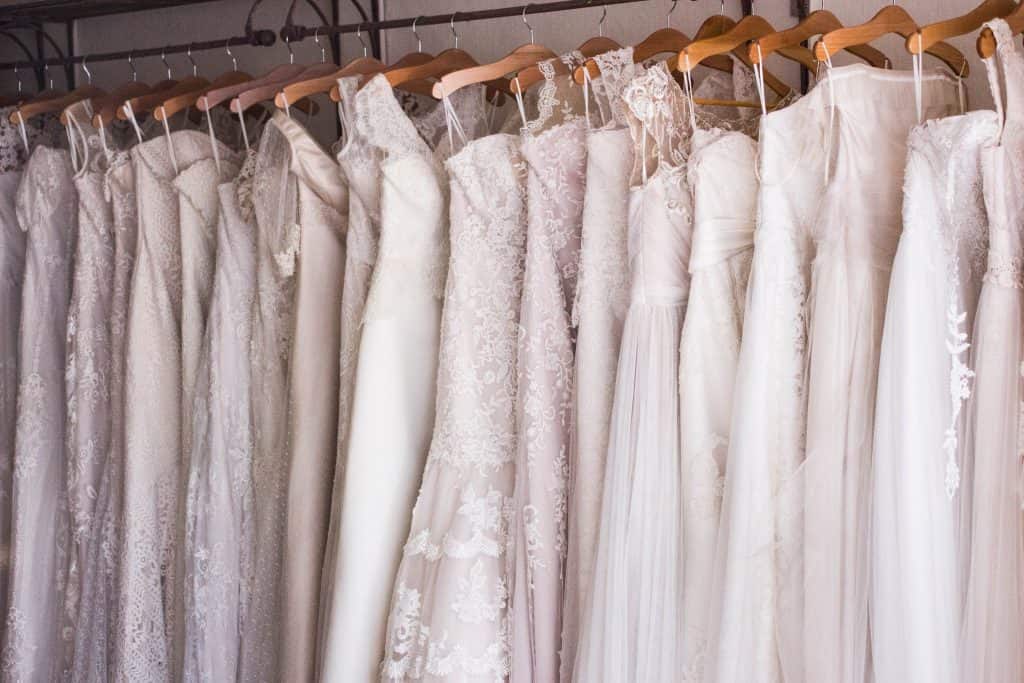
Finding the right dress can feel like a full-time job. The pressure to find the perfect dress is amplified by the fact that for many women, their wedding dress is the most expensive wedding item they have ever purchased. Whether the ceremony will take place in a formal banquet hall or on a beach, the bride's dress can set the tone for the entire event. Feeling like you need to learn a new language because of all the different terms for dresses (tulle, A-line, fit-and-flare, organza, sheath, etc.). Shopping for a wedding dress is already a stressful ordeal, but nowadays many brides buy two dresses, one for the actual wedding and another, more festive one, for the reception.
Since so many people will be looking at you and taking pictures on your wedding day, it's only natural that you would want to be at your best. Some future brides enjoy visualising their wedding while donning a stunning ballgown.
It can be overwhelming to consider all of the possibilities. These bridal gown shopping tips will help you find the dress of your dreams, one that you will love now and in years to come when you look back at your wedding pictures, regardless of your budget, personal style, or time frame.
Table of Contents
Happy Dress Shopping!
Unfortunately, many brides end up dissatisfied after their initial wedding dress shopping experience. It's possible to have a shopping experience from hell if you combine things like a missed appointment, a sample dress that doesn't fit, unhelpful salespeople, and a dream dress that looks awful on you.
Be sure to schedule in some fun activities like lunch and drinks in addition to your boutique appointments. Don't feel bad about leaving the bridal shop if you're not happy with the service you received from the fitters there. Since a wedding dress is a major purchase, shops should go out of their way to make the customer feel special and appreciated. Fitters with experience will be able to make suggestions about which styles will look best on you, even if you haven't thought about trying anything new.
Check out our list of Wedding Dress Shops to help you choose your perfect gown.
Do Your Research
It takes time and effort to find the perfect dress, so prepare to put in some legwork. Find models who have a similar body type and skin tone to yours so you can get a better idea of what colours and styles suit you. Finding images of dresses on models with a similar body type is essential if you are athletic and have a flat chest. A little on the svelte side? You can't just pretend that you're as tall as a model and wear a column dress.
Find out if you can go to a physical location to try on the dresses you've seen online. Hitched or the brand's website will help you locate retailers in your area. Before making the trip, call to make an appointment and find out if the store has the dresses you want.
Initiate Your Search Early For The Wedding
You should give yourself at least nine months to locate the perfect wedding gown. Get started on this at least a year before the big day to give yourself much time to order the dress and make any necessary adjustments.
Familiarity with the area is also essential. Something more casual and comfortable might be more appropriate than a fancy, glittering mermaid-style gown. In today's era of themed weddings, a mermaid-style gown might not be the best choice if the reception will be held in a barn with bales of hay and a hog roast.
Before you rush out and put down money on a wedding venue that might not work, give some thought to the type of wedding you're planning and the location. Alterations should be made when you are reasonably confident that your body will look largely the same on the day of the wedding as it does on the day you make the original appointment, as your body can change significantly over the course of a year. While it is not advised that you try to lose weight in preparation for your wedding, if you are set on doing so, you should wait to buy your dress until you have successfully maintained your goal weight for some time. Check out our post to know the Average Cost of a Wedding Dress – Wedding Dress Cost Guide.
Be Familiar With Your Body Type
The temptation to buy a dress you saw on Pinterest is real, but do you have anything that's similar in style? You can learn a lot about what fits you best by examining the clothes you already have. If you prefer more fitted garments, try fit and flare dresses instead.
Because wedding dresses come in such a wide variety of styles and silhouettes, you can easily find one that flatters your figure. The trick is to select an item that will play up your best qualities while downplaying your flaws. Keep these points in mind:
- Dresses with an empire waist can make your legs look longer.
- Dresses with dropped waistlines are a good solution for women who are short in the waist department.
- Wedding dresses with V-necks are especially flattering for brides with a fuller bust.
- For a more slender silhouette, focus on the bust area with gathering and attention to detail.
- Lines that go across the body at an angle make it appear wider, while lines that go up or down make it appear longer.
Don't try to cover up what you don't like about your body with a lot of bulky, structured fabric; it will only make you look bigger all over. On the flip side, avoid wearing a dress that is too revealing unless you want to feel uncomfortable all day and later feel embarrased by your wedding photos.
Many future brides make the error of purchasing a dress that is too small in the hopes of slimming down to fit into it. It's best to buy a dress that fits and schedule plenty of fittings in the lead-up to the wedding to make any necessary adjustments, as you will almost certainly lose weight before the wedding, but not by an entire dress size.
Style Matters
A wedding may not be the time to wear a princess dress if you're more of a free-spirited boho bride. This adage applies to more than just how you present yourself to the world. This also applies to the aesthetic of your wedding and ceremony space. Brides who want a sexier, less traditional look will have outfits better suited to chic city venues or beach locations, while church ceremonies typically require a little more coverage, including sleeves.
You can't go wrong with a lace wedding dress if you're still undecided about the perfect look. There's a reason so many brides love them! Buying a dress that is too trendy is a surefire way to make you look less bridelike in your wedding photos. If you're having trouble deciding on a wedding dress, don't let what's currently in style sway your decision. Rather than borrowing an outfit straight from the wedding catwalks and being left feeling unsatisfied, it's preferable to add your own unique spin on a classic dress with jewellery, shoes, and other accessories.
The dress you choose should reflect the style of wedding you envision. I'm curious as to which season you've selected. What sort of party do you have in mind, one that takes place formally in the evening or more loosely at a beach? Are you getting married in a garden location or a historic building? If your wedding has a specific theme, your outfit should reflect that. On the other hand, some brides go out and find the perfect dress and then use that to influence their wedding theme.
Choose Wisely
Just as there are a plethora of wedding dress designs, there are also a plethora of bridal boutiques from which to choose. Bridal shops are a must-see. You and your mum and best gal pals will have a once-in-a-lifetime Champagne experience. And the professionals at the shop will have no trouble recommending bridal gowns that flatter your figure.
Selecting boutiques that carry designers you already enjoy can help, as can coming prepared with the following questions. If you don't like any of their designs, they probably carry others by similar designers who might have "the one." And if you have your heart set on wearing a specific one, why not check out their next boutique trunk show to take advantage of any discounts they may be offering?
Attending a bridal expo is a great idea if you haven't narrowed down your search for a wedding dress yet. There will be many exhibiting boutiques and designers, and you can usually catch a glimpse of the latest fashions on the catwalks. To help you zero in on the perfect wedding dress, think of it as a place to do some research. Soon, you'll have all the tools you need to zero in on the perfect boutique and designer.
Boutiques Aren't Equal
In the words of our plus-size sisters everywhere: Don't think you can walk into any old high street boutique and have a wide variety of options to try on. That's not because they're a fat-shaming business; it's a question of collecting and expanding into new areas. If you want variety and a better shopping experience, you should visit a speciality boutique. A positive and memorable dress-shopping experience is guaranteed if you go into the process with a positive and confident frame of mind.
Every bride, not just those who need a little extra room, should take care when selecting a bridal boutique. Some shops go out of their way to make each customer feel special, while others simply cannot. Get a feel for the place from reviews, and pick one where you'll feel welcome and cared for. You should be treated like royalty during the process of making this significant financial investment.
If you're on the fence about whether or not to visit a particular boutique, it can be helpful to call ahead and ask if you can come in and browse.
Limit the Size of Your Group
Take into account the number of people you bring with you to the store. If you want to get honest feedback, don't bring everyone along; instead, bring just a couple of reliable people.
An abundance of opposing viewpoints will cause you to second-guess your own judgement. I've cried because the bride is being dragged around by the group and doesn't know who to listen to. Each of my brides is the centre of attention, and I stress to them the importance of feeling beautiful and confident in their wedding attire.
Remember to invite no more than two guests to join you on the big day—your mother and maid of honour are perfect examples.
Put on Several Outfits and See What Works
Do not waste your time trying on ten or more dresses, as this will only lead to confusion. If you want to avoid feeling overwhelmed, it's best to make a list of the types of designs that appeal to you before you begin. Include a wildcard among your top four to seven options in case one of them turns out to be the perfect fit.
Do not forget to take advantage of the knowledge of the store clerks; after all, that is their job. You should be willing to try out any suggestions they make, including a new approach to style. It's possible you'll fall in love with the way a ball gown, two-piece, jumpsuit, or blush pink dress highlights your best assets.
Vines of the Yarra Valley has proven itself to be an iconic wedding venue and function centre in Melbourne. Book today so you don’t miss out.
Understand Your Financial Situation
A wedding dress may very well be the most expensive piece of clothing you ever purchase. However, the price range is still quite large, so it's important to set realistic expectations with each boutique you visit. In this way, you can avoid falling in love with a dress that you can't afford to keep from trying on. Finding the one, only to realise you can't keep him or her, is the worst feeling in the world.
It is also important to consider the price of any necessary alterations. It's likely that your boutique has an in-house seamstress or can recommend someone; if so, you should discuss pricing with them so you can plan accordingly. To fall in love with an expensive dress and then realise you can't afford it is a form of torture.
Trust Your Gut
If you're looking for a wedding dress, you'll know when you find it. Don't feel rushed into making a choice; take your time, and don't cave to the pressure of others, no matter how well-meaning they may be. If it makes you feel like the best version of yourself, then you've accomplished your goal.
To put it simply, no one knows your personal taste in clothing better than you do. It's a cliche, but true: you wear the dress; it doesn't wear you. Before you let yourself get swept away by a stunning gown, consider whether or not you feel comfortable and confident in it.
FAQs About Wedding Dress
Most brides try on between four and seven gowns and shouldn't try on more than 10 because it can lead to confusion. Often, a bride is trying on dress after dress because she's not ready to end the shopping experience and make a real commitment.
Consider How You Feel in the Dress
The gown that makes you feel the most beautiful is the gown you should choose. Even if a gown checks off all your criteria, keying in on feelings can help you decide between dresses and lead to that magical moment when you've finally found "the one.
Yes, wedding dress sizing is often different from standard sizing. You may know your dress size usually, but your wedding dress size will likely be different.
There's no rule that you must bring along your future mother-in-law for wedding dress shopping, and you should only consider it an option if you can count on your fiancé's mom to be respectful, patient, supportive, and encouraging.
A good rule of thumb for when to buy your wedding dress is to shop between 6 to 12 months before the wedding. A year before your wedding is an excellent time to begin looking for a dress; you should already have a date set, and venue booked, so you know when and where the wedding will take place.
Conclusion
Finding the perfect dress for your wedding can feel like a full-time job in and of itself. Many brides end up purchasing two dresses for their big day: one for the ceremony itself, and another, more festive one, for the reception. Follow these guidelines and you'll find a dress you'll cherish for years to come. Seek out models who share your body type and skin tone to get a better idea of what colours and cuts work best for you. If you want to look the same on your wedding day as you did a year ago, you shouldn't make any changes until then.
You can find a wedding dress that complements your body type because they come in so many different styles and shapes. Unless you're going for a bohemian vibe as the bride, a dress with too much skin showing is probably not the best idea. The way you present yourself to the world is only one aspect of why you should care about your personal style. If you want to avoid looking like a fashion victim in your wedding photos, avoid buying a dress that is too trendy. In no uncertain terms, you should visit as many bridal boutiques as possible.
An unforgettable Champagne experience awaits you and your mum and best girlfriends. Careful consideration should be given to the selection of a bridal boutique by every bride, not just those who have space requirements. While some stores can go above and beyond for each and every one of their clients, others cannot. Before you start shopping, make a list of the design aesthetics that excite you. You should expect your wedding dress to be one of the most pricey items of clothing you ever buy. It's torture to fall in love with an extravagant dress and then learn you can't afford it. Don't feel rushed into making a decision; instead, listen to your intuition.
Content Summary
- Whether the ceremony will take place in a formal banquet hall or on a beach, the bride's dress can set the tone for the entire event.
- Nowadays, many brides buy two dresses, one for the wedding and one for the reception.
- These bridal gown shopping tips will help you find the dress of your dreams, one that you will love now and in years to come when you look back at your wedding pictures, regardless of your budget, personal style, or time frame.
- Many brides end up dissatisfied after their initial wedding dress shopping experience.
- Finding images of dresses on models with a similar body type is essential if you are athletic and have a flat chest.
- Find out if you can go to a physical location to try on the dresses you've seen online.
- You should give yourself at least nine months to locate the perfect wedding gown.
- If you plan to lose weight for your wedding, don't buy your dress until you've maintained your goal weight for a while.
- You can learn a lot about what fits you best by examining the clothes you already have.
- If you prefer more fitted garments, try fit and flare dresses instead.
- It's best to buy a dress that fits and schedule plenty of fittings to make any necessary adjustments, as you will likely lose weight before the wedding, but not by an entire dress size.
- This also applies to the aesthetic of your wedding and ceremony space.
- Buying a dress that is too trendy is a surefire way to make you look less bridelike in your wedding photos.
- The dress you choose should reflect the style of wedding you envision.
- If your wedding has a specific theme, your outfit should reflect that.
- Bridal shops are a must-see.
- In the words of our plus-size sisters everywhere: Don't think you can walk into any old high street boutique and have a wide variety of options to try on.
- If you want variety and a better shopping experience, you should visit a speciality boutique.
- Take into account the number of people you bring with you to the store.
- Do not forget to take advantage of the knowledge of the store clerks; after all, that is their job.
- However, the price range is still quite large, so it's important to set realistic expectations with each boutique you visit.
- It is also important to consider the price of any necessary alterations.
- To put it simply, no one knows your personal taste in clothing better than you do.
