
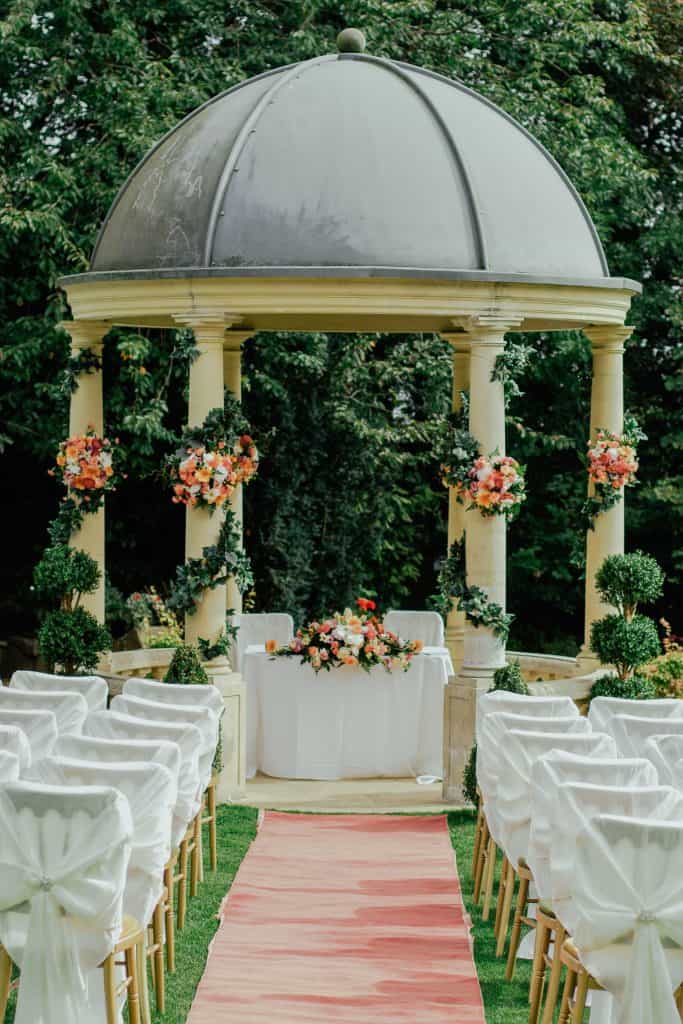
Not looking for a wedding that follows all the rules and is completely conventional? Keep in mind that you have company. It's clear that many future brides yearn for the unconventional, nontraditional wedding after perusing wedding-themed boards on Pinterest and Instagram.
The judgement of others is one of the most stressful aspects of planning a wedding. The logic of "do it this way because that's how it's done" is widespread.
In today's era of self-expression, traditional weddings have given way to more novel celebrations. Furthermore, you are special, so your wedding should be designed specifically for you.
Therefore, you can break with tradition if you so choose. A wedding isn't the only option you have; there are others. Alternately, choose a location that deviates from the norm for a wedding. You can find inspiration here.
You've probably come here because you're looking for an unconventional touch for your wedding. Remember that not everyone loves the traditional wedding staples of roses, lace, and white gowns.
Yes, but you need something a little different. It's important to you to have a wedding that reflects who you are as an individual.
Whether you're looking to switch up a few minor details or completely reinvent the ceremony, reception, and after-party, we've got you covered. If you follow this manual's step-by-step instructions, you'll be able to customise the process to your liking.
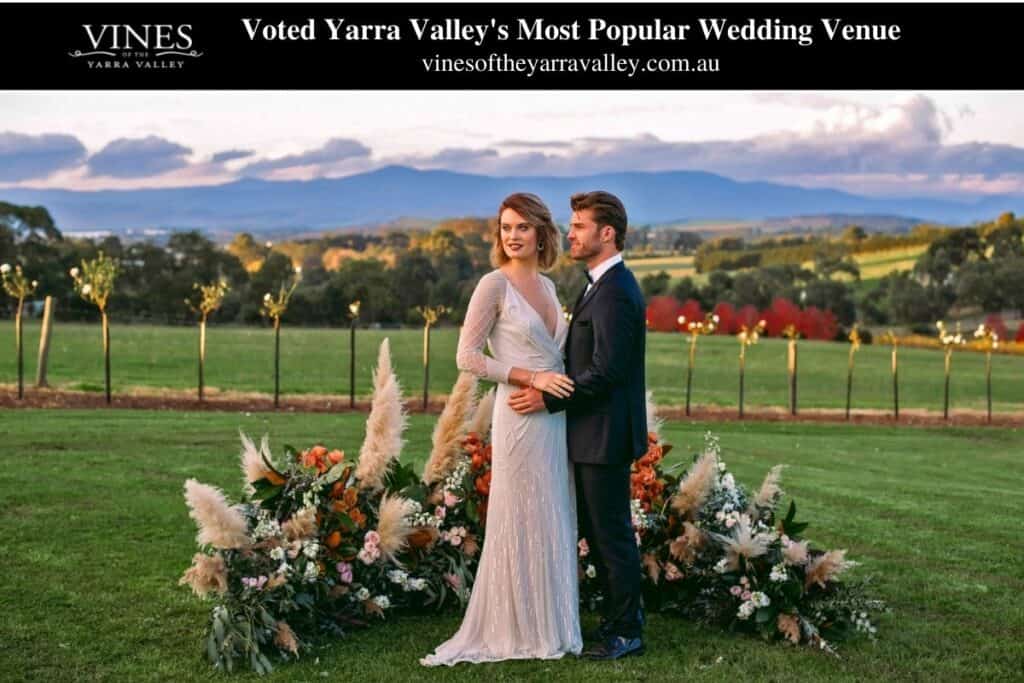
When it comes to your special day, Vines of the Yarra Valley has proven itself to be an iconic wedding venue and function centre in Melbourne
Table of Contents
Non-Traditional Wedding Ceremony Ideas
If you are reading this, it's safe to assume that at least some of the information presented above is not your cup of tea. There's good news, though: as long as you don't break the law in your state, you can alter any part of it you like.
Please continue scrolling if you are not interested in the conventional church wedding and subsequent reception. Some ideas for your no-wedding wedding can be found in the section titled "What to Do Instead of a Wedding."
Please read on if you wish to have a ceremony with all of your loved ones present. Here are some out-of-the-box suggestions to help you get rolling.
Downgrade your cake
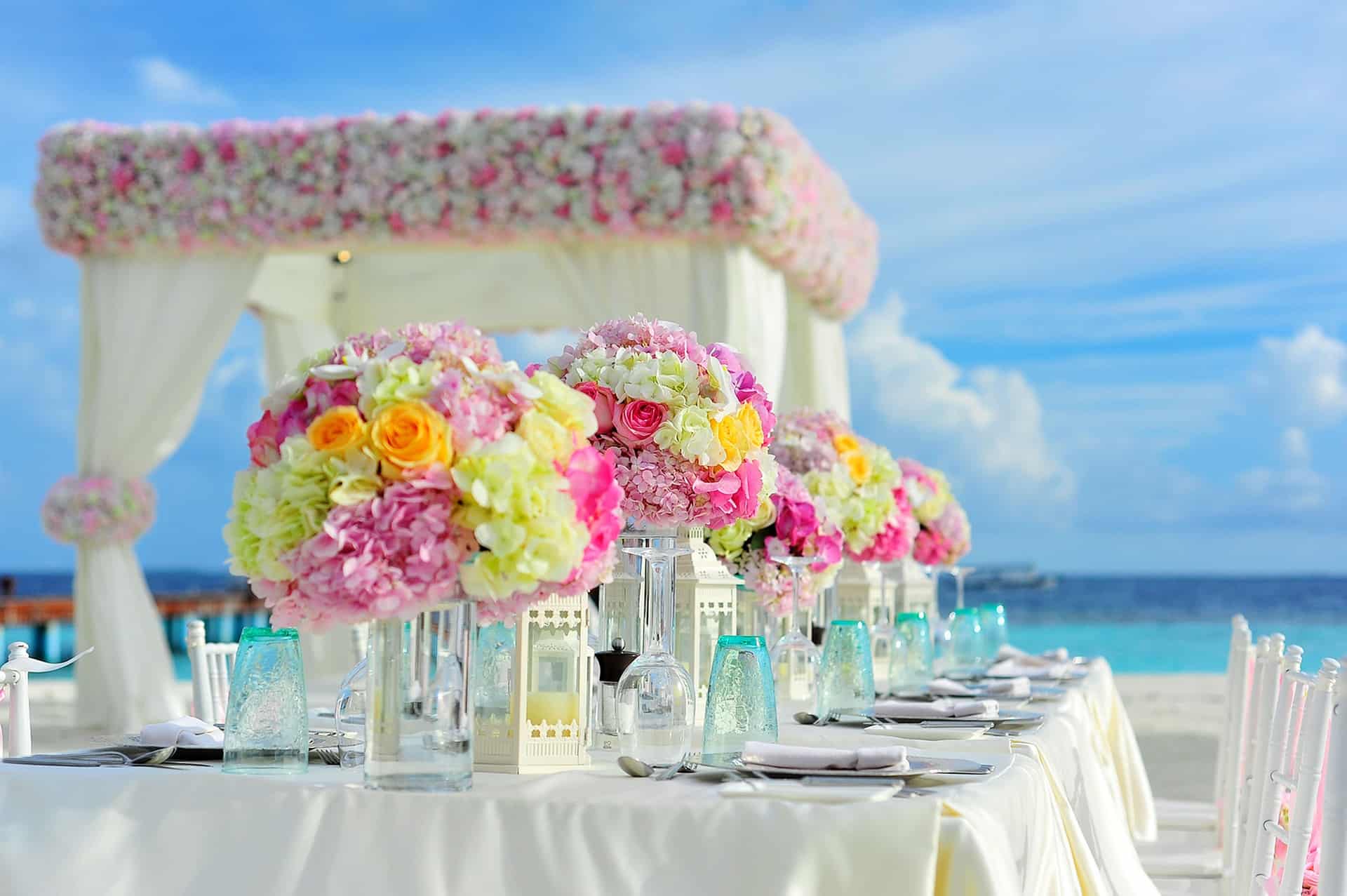
There have been weddings where the newlyweds were having so much fun on the dance floor that they forgot all about the cake. Cakes that don't break the bank are typically on the diminutive side. A smaller cake decorated with silk ribbon or fresh flowers can be more impressive than one covered in intricate fondant patterns.
Put away your high heels for your wedding
Opt for a pair of Converse All-Stars or even those cute (but expensive) espadrilles you've had your eye on in lieu of traditional wedding footwear.
Think of the big picture when shopping; if you plan on wearing an item repeatedly, durability and versatility are more important than eye-catching style.
Reduce the number of bridesmaids
Having watched the film, we are all aware of how rapidly things can turn bad. But if you only want to invite a small group of close friends to your wedding, it is unnecessary — and expensive — to have a large wedding party. There are financial and emotional benefits to having no bridesmaids or a small number of them
Don't be shy about switching up the bridal party.
A bride is free to invite whoever she pleases to her wedding, and if her best friend happens to be a man, that's fine by everyone. The bridesmaids standing by the groom can either coordinate with the men's attire (or the groom's tie) in colour, or they can opt for a more gender-neutral look by donning a tuxedo or pantsuit. The men filling in as the bride's best men can wear the same thing the groomsmen are wearing or a suit that complements the bridesmaids' dresses.
Use technology
Traditional wedding etiquette can be tossed out the window once you're deep into planning your big nontraditional wedding bash. If you prefer, you can remove the adhesive backing from invitations and save the dates before cutting them out. You can save hundreds of dollars on printing costs and have a much easier time keeping track of RSVPs if you use email instead of paper invitations.
However, if you're worried about whether or not your mother will approve, you can always buy conventional paper invitations and send out electronic save-the-date cards instead.
Get crafty
The time has come, however, when all those hours spent on DIY projects will finally pay off. You can find a new use for almost anything among the items on your wedding checklist with enough time and imagination. Pinterest projects can range in difficulty from very simple to extremely involved, so it's best to start simple and work your way up. In addition, there are many options for wedding-themed DIY projects on A Beautiful Mess.
Change the venue
The news that your wedding won't be held in a church, but rather under a picturesque bridge, in an artist's studio, at a neighbourhood wine bar, or in front of a graffiti mural, may cause your guests' jaws to drop (hopefully in a good way). Instead of having your wedding in a church or some other typical location, consider having it somewhere unusual and special.
Create an element of surprise.
This one's for the fearless brides (or April Fools' Day pranksters). The only way to know for sure is if your parents have the strength of character to keep the whole thing a secret.
Everyone must be at your place at the specified time and place, regardless of the pretext (family dinner, etc.). Require a performance from them and they will surely impress you. When people start to arrive, make sure they know it's a "pop-up wedding." This is a low-cost way to break with tradition.
Change the goodbye
If your event space doesn't permit sparklers, you can always hand out glow sticks as an alternative. Thanks to this touching ending, your guests will always remember your nontraditional wedding with warmth and affection.
Choose a Wedding Theme
A wedding's theme could be anything at all. Your creativity is the only constraint here. It's your birthday, so feel free to let your imagination run wild.
Create a magical forest full of fairies and enchantment if you want to go for the mystical. Add some sugary treats and games to the party to make it more enjoyable. Take your guests back in time to the Golden Age of Hollywood, the Wild West, or even mediaeval times.
That is, if you even want a theme. You can always choose to ignore it in favour of pure enjoyment.
Create And Send Your Wedding Invitations
You need to think outside the standard invitation box. Going paperless with your wedding invitations is the quickest, easiest, and most unconventional option. Sending out invitations via email is a great way to cut down on both waste and effort. There will be no need to manually fill in each address. Online RSVPs also make guest lists much simpler to manage. The invitations, if they must be mailed, should be printed on something other than paper. Inviting guests with invitations made of fabric, wood, or acrylic makes a bold statement that guests will remember.
Or you could just add some humour to your wedding invitations. Prepare a jigsaw puzzle out of them. To make it more difficult for your guests to read the information, you can write it in code and give them a key to unlock it. Make a soothing colouring page out of them. No need to spray lavender on this!
Pick Out Your Wedding Dress
During your wedding, all eyes will be on you—and your dress. It doesn't have to be traditional white, but it should be something you adore. On your wedding day, no one but you has the right to choose your attire. You can now feel comfortable in a short dress. You can decorate your dress with feathers or flowers. Whether it's a striped dress or a dress in your favourite colour is up to you.
If you'd rather not wear a dress at all, a bridal jumpsuit is an acceptable alternative. Shoes adhere to the same standards. Whatever makes you feel most at ease is the best choice of clothing. You don't have to wear high heels down the aisle if you don't want to. If it makes you happy, you should go barefoot.
Vines of the Yarra Valley is your ultimate Wedding Reception Venue to create your dream wedding.
Dress Your Bridal Party In Non-Traditional Attire
Develop a new standard for your bridal party at the same time. It's best if the bridesmaids' dresses don't all go together. Let them wear dresses of different lengths, colours, and patterns to express their individuality. The bridesmaids will all look stunning on the big day. Why not have your bridesmaids wear white if you're planning on wearing a coloured dress? Alternatively, you could have them wear jumpsuits or rompers as an alternative to dresses. Instead of tuxedos, the groomsmen should wear nice suits. Get rid of the jackets and replace them with suspenders for a polished casual look.
Provide Unique Food, Drinks, And Fun
It's important that the food, drinks, and entertainment you select reflect your individual style. Rather than sitting down to a plate of food, try a buffet instead! In the same way that a gourmet pizza bar will attract attention, so too will a candy bar (complete with bags for guests to fill up). Use a self-serve beverage table in place of a bar to save money.
Avoid using a garter and bouquet for the traditional flower toss. Let loose with a couple of stuffed animals. Distribute candy in heaping bowls to your guests. If you really want to show your displeasure, you can even throw a rubber chicken! Have your bridal party share a favourite anecdote about the two of you instead of traditional wedding speeches. Is this some kind of kid-friendly fairytale wedding? Create a unicorn-themed pony ride by dressing up a horse. What you get in return is priceless expressions of appreciation.
How to get started on your non-wedding:
- Create a check-off list of everything that must be present at a wedding, Next, compare your lists and mark off the items you agree you don't need or want. Never give any more consideration to items you both crossed off, and never give in on issues that are important to one of you. Invest in one another's happiness by buying things you've both been wanting. Make the day special by including elements that aren't traditionally associated with weddings but that you and your partner think will make a lasting impression.
- No matter how much money you have or don't have, you can still be happy.
- You can benefit from looking to the past for guidance. Buying a dress you will probably only wear once is perfectly acceptable. As a result, I splurged on a dress I'd had my eye on for years despite the fact that it wasn't bridal (in the traditional sense) but was very much to my taste.
- Don't feel bad about leaving out friends, family, and coworkers if you want to keep the event intimate. With everyone's schedules eased, you can focus on making memories with them.
- Guests will appreciate clear instructions. Along with the invitation, we also sent a letter. Yes, it's a marriage, but no, it won't be your typical ceremony. So that people's initial reactions are positive, we made sure to provide some background information and a list of what to do and not to do.
- Let the legal matters hang loose without worry. On a Monday morning, we spent less than 10 minutes getting married for free, and by Friday, we had our own small ceremony. Food and revelry took centre stage at the actual "wedding."
- Don't be afraid to serve as your own M.C. or best (wo)man.
- Don't stay out dancing until the wee hours if you don't want to. If live music isn't your thing, then skip the band and disco. You don't even have to stay out until dawn if you don't want to. The day was done well before midnight.
- Just remember to enjoy yourself and make some great memories! Both the lead-up and the big day itself should be lighthearted and carefree. If it doesn't, modify it to fit your personality and preferences. Anxiety is never beneficial.
How to Throw a Wedding in a Non-Traditional Space
It turns out that if you want to have your wedding in a non-traditional place, you should do a pretty consistent list of things to make sure the authorities don't shut it down. Off-the-beaten-path wedding planners will probably agree with that list, but the remaining of us might find it harder to understand. Here are some basic tips for planning a wedding, whether it's on a tropical beach or within your own yard.
Research permits.
If you want to have a marriage ceremony in a public place or a neighbourhood, you may need to get a permit from the local government. If you want to take a large group to a park, beach, or historical site, you may need to get a party permission. In some places, you need a licence to get married. If you plan to bring in food, you may need a food permit as well as an alcohol permit. Tents, dance floors, and lighting fixtures are all examples of structures that might need special permission to set up.
Research parking.
Where are you getting married, and what parking restrictions are in place? Do you know of a good auto shop in the area? Is valet parking an extra cost? Is there any way to get people there or recommend that they take public transportation? Don't forget to factor in the cost of parking when calculating your total expenses.
Research noise ordinances.
If you're having your marriage ceremony in someone's home or an art museum that has never had a wedding before, find out what the local noise laws are and follow them.
Talk to the people who live nearby.
Be respectful of the local community wherever you decide to tie the knot. Whether you're having your wedding in a church, a home, or a barn, it's important to let the community know. Strong offence is the key to successful defence. Perhaps one that offers cookies.
Check out our post on How to plan a destination wedding?
Get event insurance.
If you're holding your wedding in a typical location, the location's insurance policy may cover everything you need. On the other hand, you may need to provide your own if your wedding is going to be held in a less conventional location. There are two options for getting event insurance: purchasing a stand-alone policy from a specialised insurer or including a rider in your current property insurance policy. Bodily injury, property damage, and intoxication-related claims are usually covered. Spending a hundred or so on a million dollars' worth of insurance coverage is a good investment, even if you don't think you'll need it. Fear not and revel in the moment.
Nothing beats celebrating your love with your partner while flipping the bird to the traditional wedding. Maintain firm boundaries if your nontraditional wedding plans are causing tension with well-meaning loved ones who were hoping for a march and a three-tiered cake. I'm willing to bet that even if some members of your family aren't initially on board with you doing your wedding your way, they'll come around once they see the special results.
Conclusion
We have you covered whether you want to change a few small things or reimagine the entire wedding experience, from the ceremony to the reception to the after party. The "What to Do Instead of a Wedding" section may help you plan your nontraditional nuptials. It is wasteful and expensive to invite many people you don't know well to a wedding when you really only want a small group of close friends there. When compared to a large cake covered in intricate fondant patterns, a smaller cake decorated with silk ribbon or fresh flowers can make quite an impression. You could have a "pop-up wedding" instead of the typical wedding at a church or other traditional location.
Guests will feel like they're at a different event without breaking the bank. If you're looking for a quick, easy, and unique way to send out wedding invitations, going paperless is your best bet. It's also much easier to manage guest lists when people can RSVP online. Fabric, wood, or acrylic invitations make a striking impression on guests. Create a puzzle with them, or hand them the key.
It's best if the bridesmaids and groomsmen don't wear identical outfits. Instead of spending money on a bar, use a beverage self-service table. Instead of having the usual wedding speeches, have your attendants each tell a favourite story about the two of you. On a Monday before work, we were legally married in under ten minutes. The actual "wedding," as opposed to the formal ceremony, centred on food and celebration.
We included some context and a rundown of what to do and what not to do. Here are some guidelines for selecting a location for a wedding that deviates from the norm. Permission may be needed to set up tents, dance floors, and lighting. I was wondering if you could recommend a reliable mechanic in the area. Can you park your car for me if I call for valet service?
If you want to get married somewhere exotic, make sure to research the customs of the locals first. Respect the noise restrictions of the venue, whether it's a private residence or a museum. If your out-of-the-box wedding plans are causing friction with well-meaning loved ones, stand firm.
Content Summary
- Alternately, choose a location that deviates from the norm for a wedding.
- Some ideas for your no-wedding wedding can be found in the section titled "What to Do Instead of a Wedding.
- But if you only want to invite a small group of close friends to your wedding, it is unnecessary — and expensive — to have a large wedding party.
- There are financial and emotional benefits to having no bridesmaids or a small number of them Don't be shy about switching up the bridal party.
- In addition, there are many options for wedding-themed DIY projects on A Beautiful Mess.
- Create an element of surprise.
- Choose a Wedding ThemeA wedding's theme could be anything at all.
- Sending out invitations via email is a great way to cut down on both waste and effort.
- Develop a new standard for your bridal party at the same time.
- Provide Unique Food, Drinks, And FunIt's important that the food, drinks, and entertainment you select reflect your individual style.
- Create a unicorn-themed pony ride by dressing up a horse.
- How to get started on your non-wedding: Create a check-off list of everything that must be present at a wedding, Next, compare your lists and mark off the items you agree you don't need or want.
- Don't feel bad about leaving out friends, family, and coworkers if you want to keep the event intimate.
- It turns out that if you want to have your wedding in a non-traditional place, you should do a pretty consistent list of things to make sure the authorities don't shut it down.
- Here are some basic tips for planning a wedding, whether it's on a tropical beach or within your own yard.
- In some places, you need a licence to get married.
- Where are you getting married, and what parking restrictions are in place?
- If you're having your marriage ceremony in someone's home or an art museum that has never had a wedding before, find out what the local noise laws are and follow them.
- Be respectful of the local community wherever you decide to tie the knot.
FAQs About Non-Traditional Wedding
- Combined Bachelor & Bachelorette Parties.
- Courthouse Ceremonies.
- Elopement.
- Destination Wedding.
- Combined Wedding & Honeymoon.
- Backyard Wedding.
- Sporting Event.
- Snowboarding/Skiing.
So if this is significant to you, it's worth giving it a bit more thought. A non-religious wedding ceremony offers you the chance to get more creative as there will be fewer rules and traditions to adhere to. Plus, you have wider scope regarding the setting for your nuptials.
