
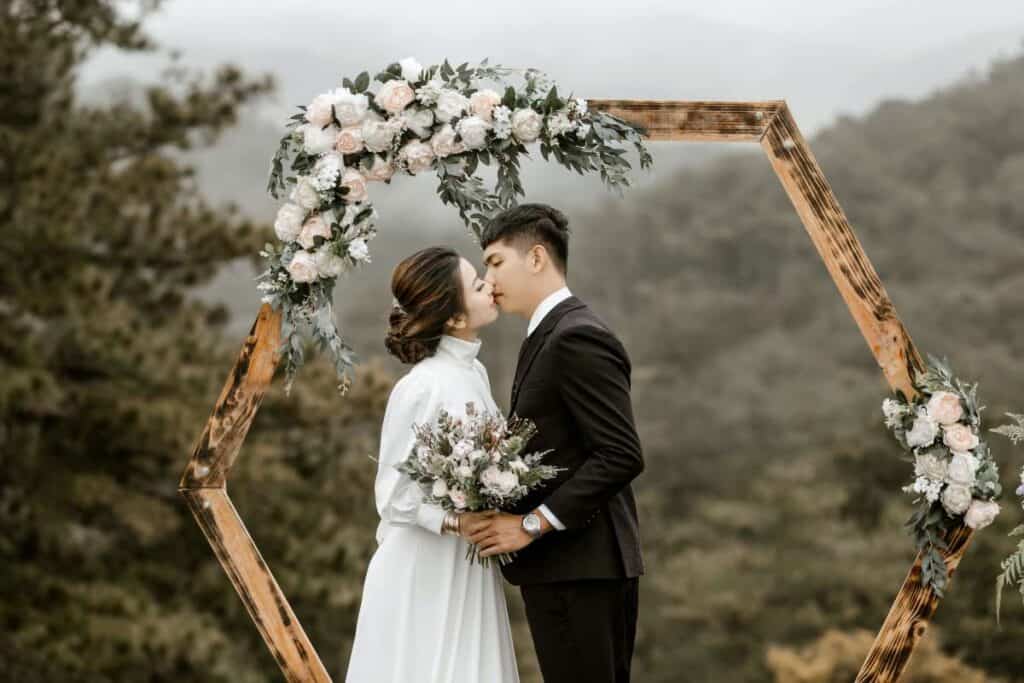
Congratulations. That you are organising a wedding is fantastic. A wedding can put a significant dent in one's bank account. You'll need to plan not only the location, transportation, and attire, but also the honeymoon, decorations, and small details like Bomboniere. You can't deny the cumulative effect. It's understandable that couples who would rather invest in other areas of their lives would prioritise low wedding costs.
Did your parents mention spending $5,000 on their wedding? Just what has shifted? Besides Australia's high cost of living. One contributing factor is the growing popularity of weddings as a vacation destination, both domestically and internationally. More and more of us are opting to celebrate over a three-day period, making it a long weekend. Hen and buck nights, on the other hand, can last for days.
Preparing for your wedding by doing some reading can pay off in big ways. Knowing the average price for various services can be helpful, whether you're trying to save money on a formal dress or a night out on the town.
To save money, consider holding the ceremony or reception somewhere unusual. Traditional media is the first stop for most people, but it's not always the best option. You might, for instance, believe that hotels are only suitable for the wedding night. Many of them, however, have more to offer for the money than a standard venue because of their exceptional event capabilities and reasonably priced packages.
Too busy with life to really plan your wedding in detail? Have someone else do it for you and check out our list of Wedding Planners in Melbourne to help take the stress away. The following are some suggestions for organising your big day in a way that won't break the bank.
Table of Contents
Budget Wedding Planning Advice
The average cost of a wedding in Australia is $36,200, which is a significant sum of money for anyone. It's not uncommon for newlyweds to feel the urge to skip out on saving for a down payment on a house or paying off debt and head straight to the registry office to begin their married lives. But before you start thinking about how to break the news to your parents that there won't be a big white wedding, here are some of our best tips to help you plan your wedding on a small budget so you can afford that down payment on a house.
Venue
The first thing you book is also the most expensive, so you can either sell a kidney or figure out a way to reduce the minimum spend required by your ideal venue. Find a cocktail wedding venue and cut costs even more by having your reception on a weekday if you're planning a wedding on a tight budget.
Food & Drinks

When you have a lot of loved ones to feed, it can be challenging to find ways to give them a fine dining experience without breaking the bank. To save money on your wedding reception, consider serving a predetermined, all-inclusive meal to your guests.
Now that you've taken care of the catering, it's time to decide whether or not to serve alcohol at the reception. We say, why not combine the two? Celebrate the night away with an open bar, but limit your spending with a meal-and-drinks package. No one will be able to keep their complaints to themselves.
Photographer
The question You charge HOW much? is probably what you heard after providing your first quote for wedding photography. Those priceless photographs will not come cheap, but if you're worried about breaking the bank, you could always hire a photographer for the ceremony itself. After all, guests will be whipping out cameras left and right at the reception, and photo booths were created for a reason.
Entertainment
If you want to guarantee that the first dance goes off without a hitch, you should probably make your own wedding playlist and not leave it up to a drunken singer. It won't break the bank to do this, and it will make your celebrations feel more like they came from the heart. In addition, the playlist is yours to keep and play whenever you want to remember your special day.
Host / Emcee
Instead of paying a complete stranger to preside over your wedding, why not have a close friend or relative do the honours or write your wedding speeches? Nothing will go wrong at your reception if you put in the time and effort to plan it out in advance (though you might want to avoid inviting that friend who has a history of getting a little too fond of the open bar).
Dress
This is a significant expenditure, and we understand that you may be hesitant to cut corners here; however, you need not worry about having to settle for anything less than the dress of your dreams. Instead of searching far and wide for the perfect wedding dress, why not make your own? With the help of a skilled tailor, you can take a dress with solid construction and transform it into something that is uniquely you. This is a great way to find the ideal dress without spending a fortune on it.
Budget-Friendly Wedding Tips
Organize Your Wedding Vendors in Advance
To keep your wedding costs in check, it's a good idea to book your most important vendors first. Making a list of what to book and when can help you stay focused on the task at hand, so that you don't waste money on unnecessary aspects of your wedding but still end up short when your dream photographer becomes available.
Off-Season Wedding Date
Having your wedding on a weekday or during the off season is a surefire way to save money on your big day. Venues, photographers, and transportation services are just some of the many vendors who offer discounted rates for weekday and off-season nuptials.
Schedule your wedding for a weekday or Sunday evening. Since these times are less popular, vendors may be more willing to negotiate a better price with you. Make sure to ask your wedding venue if it is available on those specific dates. You may be concerned that some guests won't be able to attend, but keep in mind that many of them probably have other plans for a Saturday as well. Traveling guests may have to make a few more arrangements, but they would have had to miss work anyway if the wedding had been on a Saturday.
It is possible to save money while still reserving the venue or services of your choice by doing some research into the busiest times of the year and days of the week. Check out our ultimate list of Wedding Planners in Melbourne to help you organise a stress-free wedding.
Cut Invited Wedding Guests
The cost will rise dramatically with each additional guest on the invitation list. The price tag includes not only the food and drink, but also the centrepieces, favours, decorations, and rentals. Anyone you haven't spoken to in the past five years should not be invited. Never feel obligated to let single people bring dates. Don't feel like you have to invite everyone you work with. And please don't invite any friends who have kids. You may also decide to exclude groups like friends from volunteer work or relatives more distant than first cousins. If you don't invite anyone from that group, there's less of a chance of tension arising.
Simplify Wedding Invitations
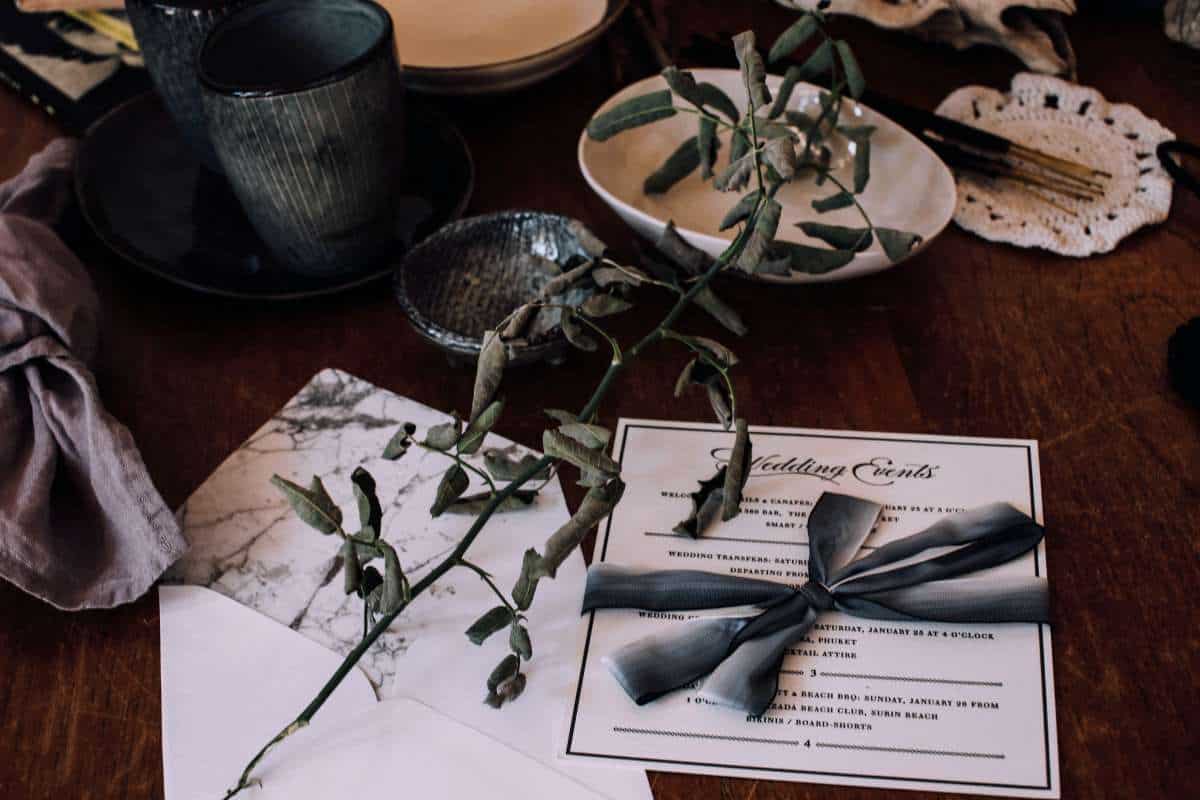
Put away your inner envelope and blotter paper; they're relics from the days when ink needed time to dry and everyone wanted a fresh envelope. Request that guests respond via email or phone instead of sending a reply card. It should also result in a lower postage bill, in addition to cost savings at the printer.
Sample sales are worth looking into if you wear a size six, eight, or ten. This is a fantastic chance to buy a dress from a famous designer label at a steal of a price. Used wedding dresses can often be found at a discount on online marketplaces. You can save a tonne of money by renting your wedding dress instead of buying it. It is not necessary to engrave the invitations; standard printing will do. Inexpensive wedding invitations can be found all over the web. Invite guests to a relaxed wedding by printing out invitations on your personal computer. These days, you can get inexpensive wedding invitations by purchasing preprinted paper at a stationery store and printing them on your home printer.
Save on Church Décor
In the case of a religious ceremony, a wedding near a significant holiday is highly recommended. You won't need to spend as much money on flowers because the church will already be decorated. Keep things basic on the off days. A ceremony with only candlelight can be beautiful, intimate, and cheap.
Signage can be Optional
When working with a limited budget, it's often best to keep wedding plans as straightforward as possible. This is our suggestion. If your guests can't tell who's who, they probably shouldn't be invited anyway, so there's no point in wasting money on decorations like "Mr. & Mrs." signs.
Using a fancy letterpress service or something similar can be pricey up front and frustrating if they make mistakes. Making your own table place cards is a great way to add a personal touch to your reception without breaking the bank. If you're looking for a more natural approach, try having your guests sign their names on pretty leaves or strips of bark from the garden.
Digitise Your Photographs
To be honest, half of your guests will forget to sign the guest book, and the other half will likely forget they've already signed it and will sign it again, but guest books are still a great way to remember all of the wonderful people who were a part of your special day. If you want to avoid any embarrassing mix-ups, you should either skip the process entirely or use an iPad app.
Seek Support From Your Family
Gather your loved ones together and pool your resources for a more affordable wedding. Think of people you know who can help you with the music, the officiant, and the assembly of the decorations. They will be thrilled to play a special role in your special day. You should also be on the lookout for ways to save cash. Look online and consult with loved ones to find out how they cut costs on their wedding day.
Do-It-Yourself
Attempting some of your wedding preparations on your own can be rewarding. Host a "pitch-in party" and ask your guests to participate in the wedding in a specific way by helping with the favours, invitations, centrepieces, etc. Put out some tasty treats and turn on some motivating tunes so your friends feel more like they're at a party and less like they're in a factory.
You can save a lot of money by doing some of the wedding preparations yourself, but it's important to know what you should and shouldn't take on. There are times when hiring an expert would have saved you money compared to doing it yourself. If you're thinking about doing some of the wedding planning on your own, you should look into what other couples' experiences have been like. It might end up saving you a lot of money in the end.
Search for Affordable Wedding Catering
Tell your caterer straight up that you need to cut costs. If you want to know what the cheapest entrees are and if a buffet is more cost-effective than a table service meal, you can ask these questions. Beer is cheaper than a full bar, so it's worth asking if you can bring your own alcohol or if they'll serve just wine. You could also have the bar open only during the cocktail hour and serve a cheap bottle of wine with dinner. Having a dry wedding is a great option if neither you nor your partner drinks.
Keep Your Eyes on the Prize
Spending lavishly on a wedding is pointless if the memories of what should be a joyous occasion are tinged with sadness. Prioritizing your spending by what matters most to you can help you avoid wasting money on less important items.
We recommend narrowing your wedding's focus to just a few must-have elements that are most meaningful to you. That way, if your planning gets crazy, you can always refer back to these absolute necessities and adjust your priorities accordingly. Looking for a Wedding Event Planner? Look no further, Vines of the Yarra Valley have you covered.
Don't lose sight of your wedding's central purpose, and don't let your finances do so either.
FAQs About Affordable Wedding
The cheapest way to have reception is to book a non-wedding venue. Wedding venues can charge a premium because they do weddings day in and day out and can offer their couples exactly what they need, all under one roof.
Because of the relaxed atmosphere of a beach wedding, the rest of your wedding selections (such as food, clothes, and reception activities) will be more casual, saving you money on the more traditional and expensive options.
Yes, you read that right—CHEAPER! Destination weddings aren't just for those with big money. 1 in 4 brides have a destination wedding and pay for it themselves! The average cost of a destination wedding is $20,000, which is far less than the national average for traditional weddings.
Winter Weddings Are Usually Cheaper
Business tends to be slower for wedding planners and vendors in the winter. Weddings typically cost couples over $30,000, but those who wait until it's cold to jump the broom will likely be able to score some major discounts on wedding expenses.
Minimalist weddings aim to clear even the visual clutter—so stick with solid colours or soft, muted motifs. They also tend to favour neutral and natural colour palettes like black, navy, cream, white, or taupe—but don't be afraid to add a strategic pop of colour to bring everything to life.
Conclusion
Having the ceremony or reception in an unusual location can help you save money for things like a formal dress or a night on the town. Typically, the most expensive option is the one you book first. Serving a meal and drinks as a package is one way to cut costs on your wedding reception.
If you're having a small, low-cost wedding, you can save even more money by having the reception during the week. With some careful planning, you can have the wedding of your dreams at a price that fits comfortably within your budget. Find out what days and times of the year tend to have the most foot traffic. You may be able to cut costs by holding your wedding on a weekday or outside of peak tourist season. The price will increase dramatically as more people are invited.
Instead of sending a response card, ask guests to get in touch with you via phone or email. The invitations do not need to be engraved; regular printing will do. Pick a wedding date close to a major holiday to cut costs on church decorations. Seeking a more organic approach? Have your guests sign their names on pretty leaves or strips of bark straight from the garden. Invite your guests to help out with the wedding by hosting a "pitch-in party," where they can bring a dish to share and/or contribute to the favours, invitations, centrepieces, etc.
There are situations in which it would have been more cost-effective to hire a professional rather than attempt the task oneself. If neither you nor your intended drinks alcohol, a "dry" wedding is a wonderful choice. If you make a list of your top spending priorities, you can better allocate your funds and spend only on the things that really matter to you.
Content Summary
- That you are organising a wedding is fantastic.
- You'll need to plan not only the location, transportation, and attire, but also the honeymoon, decorations, and small details like Bomboniere.
- Besides Australia's high cost of living.
- Preparing for your wedding by doing some reading can pay off in big ways.
- Knowing the average price for various services can be helpful, whether you're trying to save money on a formal dress or a night out on the town.
- The following are some suggestions for organising your big day in a way that won't break the bank.
- Budget Wedding Planning AdviceThe average cost of a wedding in Australia is $36,200, which is a significant sum of money for anyone.
- But before you start thinking about how to break the news to your parents that there won't be a big white wedding, here are some of our best tips to help you plan your wedding on a small budget so you can afford that down payment on a house.
- Find a cocktail wedding venue and cut costs even more by having your reception on a weekday if you're planning a wedding on a tight budget.
- To save money on your wedding reception, consider serving a predetermined, all-inclusive meal to your guests.
- Now that you've taken care of the catering, it's time to decide whether or not to serve alcohol at the reception.
- Celebrate the night away with an open bar, but limit your spending with a meal-and-drinks package.
- EntertainmentIf you want to guarantee that the first dance goes off without a hitch, you should probably make your own wedding playlist and not leave it up to a drunken singer.
- Host / EmceeInstead of paying a complete stranger to preside over your wedding, why not have a close friend or relative do the honours or write your wedding speeches?
- Instead of searching far and wide for the perfect wedding dress, why not make your own?
- Off-Season Wedding DateHaving your wedding on a weekday or during the off season is a surefire way to save money on your big day.
- Venues, photographers, and transportation services are just some of the many vendors who offer discounted rates for weekday and off-season nuptials.
- Schedule your wedding for a weekday or Sunday evening.
- Make sure to ask your wedding venue if it is available on those specific dates.
- It is possible to save money while still reserving the venue or services of your choice by doing some research into the busiest times of the year and days of the week.
- The cost will rise dramatically with each additional guest on the invitation list.
- Don't feel like you have to invite everyone you work with.
- You can save a tonne of money by renting your wedding dress instead of buying it.
- It is not necessary to engrave the invitations; standard printing will do.
- Invite guests to a relaxed wedding by printing out invitations on your personal computer.
- In the case of a religious ceremony, a wedding near a significant holiday is highly recommended.
- Making your own table place cards is a great way to add a personal touch to your reception without breaking the bank.
- To be honest, half of your guests will forget to sign the guest book, and the other half will likely forget they've already signed it and will sign it again, but guest books are still a great way to remember all of the wonderful people who were a part of your special day.
- Think of people you know who can help you with the music, the officiant, and the assembly of the decorations.
- You should also be on the lookout for ways to save cash.
- Attempting some of your wedding preparations on your own can be rewarding.
- Host a "pitch-in party" and ask your guests to participate in the wedding in a specific way by helping with the favours, invitations, centrepieces, etc.
- You can save a lot of money by doing some of the wedding preparations yourself, but it's important to know what you should and shouldn't take on.
- If you're thinking about doing some of the wedding planning on your own, you should look into what other couples' experiences have been like.
- Tell your caterer straight up that you need to cut costs.
- Prioritising your spending by what matters most to you can help you avoid wasting money on less important items.
- Don't lose sight of your wedding's central purpose, and don't let your finances do so either.
