
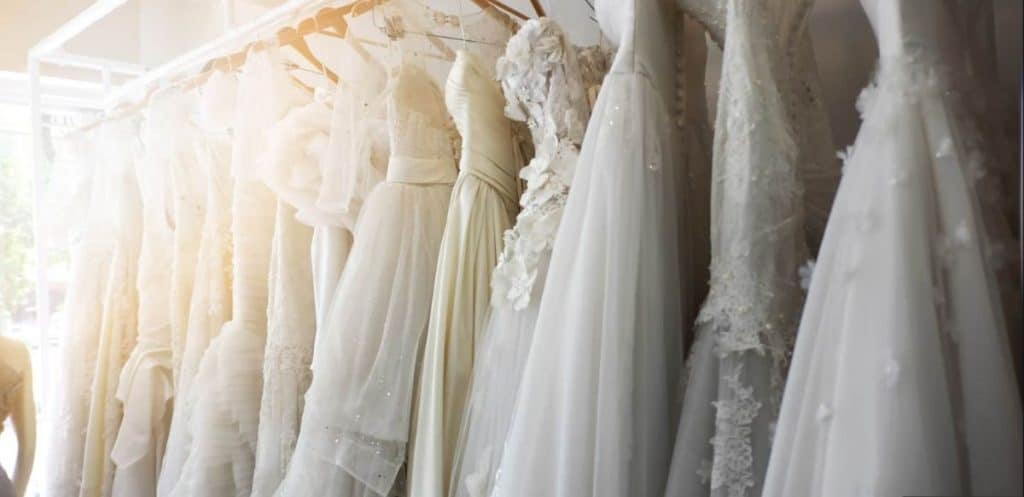
All of last year's runway trends in wedding aisle attire were inspired by the royal weddings. Still, in 2020, it's all about reinterpreting those classic pieces in a contemporary light, discovering intriguing alternatives for traditional materials like ivory and alabaster, and finding inspiration from decades past that (ironically) feel absolutely forward-thinking.
You should focus on this year's trends in tailoring, style, and silhouette for your 2020 nuptials, such as the newest in wedding-worthy accessories, effortless volume, and the fresh take on bridal's ever-evolving bohemian. Learn the latest bridal fashion trends for 2020.
Get ready for the holidays by making a wish list. For the next wedding season, there is no shortage of ultra-chic inspiration now that Bridal Fashion Week 2020 has begun. The fashion editors at The Knot have been hard at work compiling information on all the future trends in bridal fashion, from bold botanical designs to romantic sleeves and amusing party dresses. Here are some trends for 2020 wedding dresses to consider if you are planning a wedding for the end of next year or just fantasising about it. Find out what's happening in the industry right now, and how you can put that knowledge to use.
Choosing a breathtaking bridal gown is an essential part of the wedding planning process. It appears that brides of the year 2020 will represent the pinnacle of fashion. It's a baby step towards developing one's identity and speaking one's mind. Nowadays, brides have their pick of a bewildering variety of dresses, from those with plunging V-necklines and off-the-shoulder styles to those with bold colour palettes and daring high-low hemlines, and even some whimsical jumpsuits.
Browse our Top Wedding Dress Shops in Melbourne for an overview of some of the city's most illustrious wedding businesses.
Table of Contents
Prairie Vibes
This is a new take on the boho bride, and it has a Victorian flavour. This style is a mix of the stylish milkmaid and the fashionable nymph, and is characterised by puffy sleeves, smocking, empire waists, and a loose fit.
It's for the female who wants to channel her own je ne sais quoi, even if each designer gave their own spin on the carefree, pastoral appearance.
Watercolour Wonders
This is a softer take on all things colourful, whether it's dresses in shades of pink, blue, yellow, lavender, and beyond, or dreamy floral prints, and we've addressed soft colour in more ways than one for 2020, from the perennial favourite that is bridal blush to the introductions of green and buff for the aisle.
To kick off the 2020 bridal season, designers Vera Wang, Monique Lhuillier, and Oscar de la Renta showcased a wide variety of watercolor-inspired colour palettes and designs. The watercolour miracles seen on the Spring 2020 runways were amplified by Laura Kim and Fernando Garcia's stunning "something blue" gown for Fall 2020.
Scalloped Necklines
Scalloped necklines are just one example of how the '80s are making a comeback in today's design.
Straight across strapless or plunging V-neck styles seem clean and graphic, while sweetheart necklines accentuate the curves of the body for a seductive look. Scalloped edging serves double purpose, adding a modern feel and the sort of feminine touch that was formerly reserved for the most simple of bridal necklines.
Floral Print Dresses
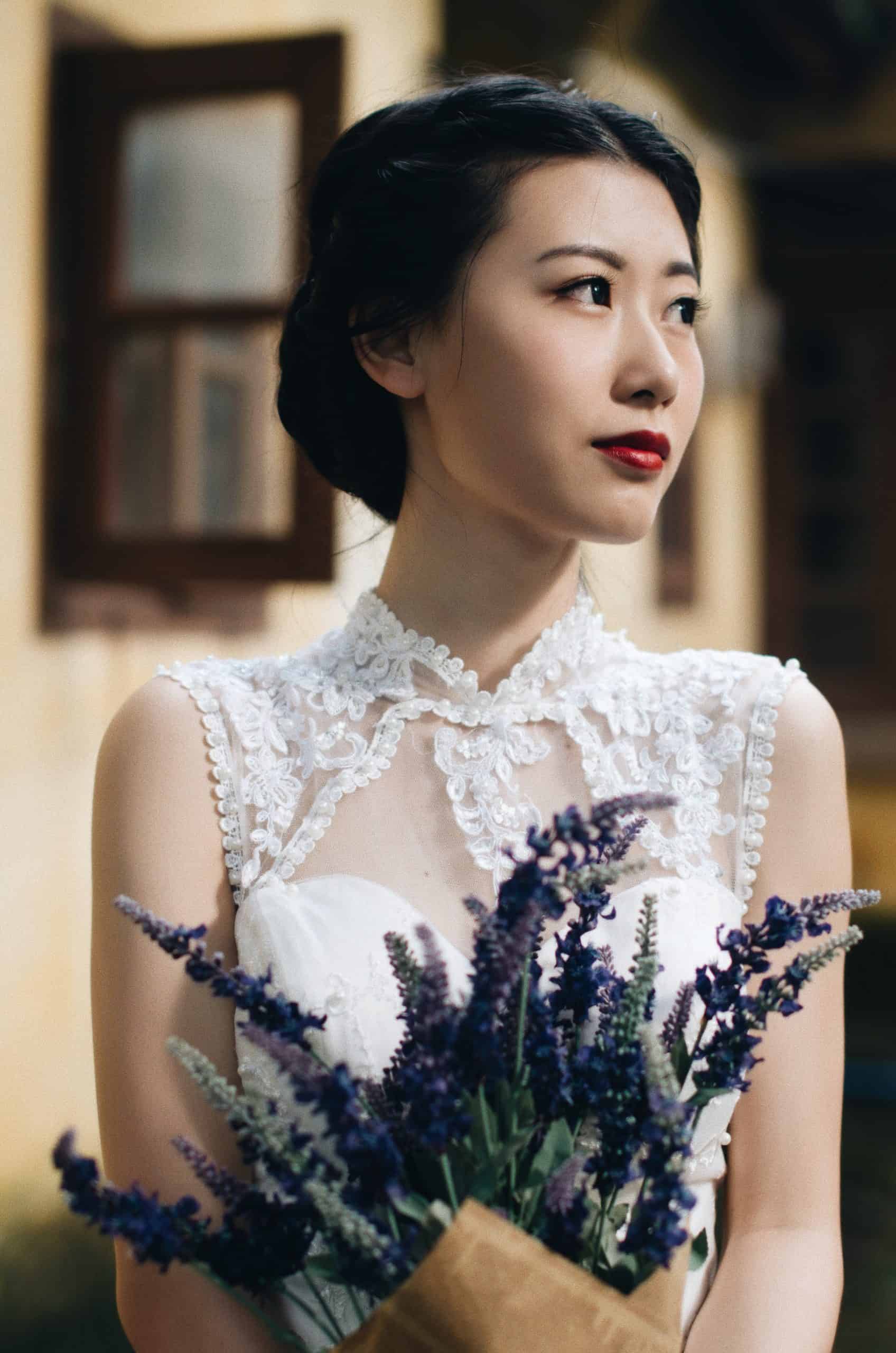
You won't hear us ask, "Florals for spring?" because these aren't your typical bridal flowers. A splash of colour was added to the traditionally white runways of Bridal Fashion Week by the arrival of bold flower motifs in some 2020 wedding dress collections. Any wedding dress silhouette benefits from the quirky visual intrigue that florals, whether soft and pastel, edgy and enormous, or in the form of tactile, 3-D embroidery, bring to the table.
Ball gowns
Anyone interested in the upcoming royal wedding: The current style in wedding gowns is perfect for you. If you want to make an entrance, a timeless ball gown is a great choice, and there were many shown in the upcoming 2020 wedding dress collections. The most appealing aspect of this striking profile? It's adaptable to a wide variety of wedding themes. Heavy satin or Elizabethan-style puffy sleeves will get you the full Grace Kelly effect. This dramatic look is guaranteed to get attention no matter how you wear it.
Ruffles
Indulge your inner hopeless romantic on your wedding day, because this fluffy, ultrafeminine element is as lovely as it gets. A long skirt of foamy, cascading ruffles is both whimsical and on-trend, and ruffles in general lend dimension to a mermaid design.
Airy Dresses
The gowns of 2020 were as airy as possible, from sleek ball gowns to sheer sheaths. Easy-to-move-in fabrics like tulle and organza project an ethereal beauty without adding unnecessary bulk, so you can hit the dance floor without worrying about tripping over your gown. What do we name that, if you know? Definitely a triumph for bridal fashion.
Puffy Sleeves
Don't immediately discount this '80s-style wedding dress fad without hearing us out. These ruffled and off-the-shoulder variants are all about delicate romance, in contrast to the sleeves Princess Diana and other brides of the maximalist era of fashion wore. In case you're a fan of this design element but don't want to go overboard with it, try a form-fitting piece with puffed sleeves and keep the rest of your outfit understated. If you want to try the trend but aren't sure if you can pull it off, you can choose for removable accessories that you can leave at home when it's time to party.
Fresh Tiers
Although tiers have become almost as commonplace as lace at weddings, this season's iterations seemed decidedly modern.
In the past, these layers may have attempted more subtle ways, but where's the fun in that? Layers of tulle should evoke cream puffs rather than classics in 2020; volume should be achieved through pleating rather than bulk. These floor-length and A-line silhouettes are perfect for the bride who wants to have fun with her wedding day and channel her inner modern-day princess.
Badass Bride
It's time you met the contemporary bride; she's more important than ever.
The key to this outfit is a bold assertion of individuality. Dress for the aisle with a sense of humour and a carefree spirit, and if you want to go all out, add a punk edge. Fashion houses like Louis Vuitton and Alexander McQueen's upcoming Spring 2020 collections and Vera Wang's recent anniversary collection assure that you will look too cool while still exuding an effortless attitude with this outfit. Black accents, '80s-inspired details, translucent fabrics, shorter hemlines, and slits are all popular this year. Add them up, and you have the perfect ensemble for the bride who wants romance and defiance.
Clever Corsetry
The trend of wearing undergarments as outerwear is growing, but the new iteration is decidedly less risqué and more aristocratic than its predecessors. These new corsets include exposed boning and other feats of fashion engineering, and they are worn with layers upon layers of translucent tulle, ethereal laces, and other fabrics to create an opulent look with a modern edge.
The new take on elegant sexiness is right up our alley, from ball dresses with exposed corsets to those with asymmetric pleating, high-low hemlines, and more.
Feathery Frocks
Luxurious yet lightweight feathers offer a glamorous and feminine touch to any outfit for the wedding, rehearsal dinner, or after-party, whether it be a full-feathered ballgown or a stylish little mini. This season's runways were awash in plumes of every shape and size, but there was a consistent message from designers about how important it is not to compromise on this particular decoration.
In 2020, dramatic flourishes that might have seemed corny or try-hard in previous years will be all the rage. No matter if it's a simple trim, like a dazzling shoulder shrug, or a full head-to-toe ensemble for the wedding, this style seems grand and luxurious, but also very dreamy.
Black Magic
Put aside any preconceived notions you may have about the colour black in bridal; it is, in fact, really fashionable. You shouldn't be scared to wear this sensuous colour on your wedding day, whether it's just a splash here and there or a full-on monochrome ensemble. Whether around the waist, as a trim, or as an even subtler accent, a touch of black on a dress makes a strong, polished, and timelessly elegant statement.
Statement Suiting
You can express the more edgy part of your bridal style at the rehearsal dinner if you feel that suits are inappropriate for your ceremony. Feeling confident, attractive, and seductive is paramount at after-party get-togethers, and a well-tailored suit can help you achieve that. If you insist on wearing a suit to your wedding, consider accessorising with a veil for the ultimate in hipster vows.
Buff is the New Blush
A new shade has replaced the old one.
While pink dresses were all the rage in recent years, we're loving the newfound popularity of warmer tones like buff and ginger (a cross between blush and champagne) as a fresh alternative to traditional wedding white.
Any bride who doesn't feel beautiful in ivory or alabaster should feel free to choose this tint. Combine it with other non-basic colours for a look that is both daring and romantic.
All Things Frothy
While full skirts have always been a staple in the bridal industry, this season saw the introduction of a new textural element: froth. This ultra-romantic style, exemplified by tulle puffs, ruffles, ripples, and pleats, floated down the runways in droves.
Pants
These chic alternates to conventional dresses are both functional and fashionable, so you may look and feel your best at every occasion. Bonus: You can't wear one of these expertly crafted suits without feeling like a total badass. White suits and jumpsuits were given a fresh new look for the upcoming 2020 wedding season thanks to the addition of lace, 3D floral decorations, and metallic beading.
One Shoulder Necklines
This one-of-a-kind cut is extremely empowering and will make you feel like a goddess. That's not even the best part! Even if you're planning a traditional wedding with plenty of satin, a Grecian one with lots of tulle, or a glamorous one with only one long sleeve, this 2020 wedding dress trend will work for you.
Short Dresses
Whether the bride is eloping, going for a more casual feel, or simply wants an excuse to show off her killer shoes, dresses with low backs and slits in the skirt will be all the rage at weddings in 2020. Doing the long dress thing today? A short white dress is not only perfect for the wedding itself, but also for the rehearsal dinner and the bridal shower. Looking for the most trustworthy place to buy lingerie online? Whoa, check this out!
Full Coverage
The "Duchess Effect" has been strong since the royal marriages of last year, especially in terms of modesty and publicity. This style amps up the element of secrecy without coming across as stuffy or matronly.
Choose items with a mock collar, long sleeves, cuffs, and lots of texture. This conservative with a twist appearance demonstrates that there are numerous ways to look royal and that ball gowns are not required to get the desired effect.
Colourful florals
Obviously, you're here because we've already anticipated your next thought: "Springtime flowers? Groundbreaking." We, too, think of Meryl Streep whenever the word "flowers" is mentioned, but Holloway pointed out that vibrant florals were shown in this year's bridal fashion shows. Holloway elaborated, "Many fashion designers are hand-painting gowns and adding colourful flower applique to an otherwise white dress." She mentioned that several of the upcoming season's dress lines featured vibrant hues, including designers like Zac Posen, Monique Lhuillier, Oscar de la Renta, Carolina Herrera, and Ines Di Santo.
"With regards to colour, I believe we are still in the pastel phase, so hues like celadon green, pink, and light purple are still in style. The colour scheme of yesteryear was more subdued and didn't stand out as much as compared to now. For the past five years, textured surfaces have been fashionable again; but, today rather than using only one colour to create the effect, artists paint on the texture "...she remarked. "Dresses now have lace added to them after being cut, painted, and sewn on by designers. Beautiful pastel shades are contained into a single outfit."
She said that she was motivated by Monique Lhuillier's Hydrangea gown. "This dress is an organza creation with watercolour hydrangeas in pink and green. These days, pastels are all the rage, and designers can't get enough of the look "what she meant was clarified by her.
Grand Millennium touches
Holloway remarked that the big millennial style, sometimes known as "granny chic," is making its way into the wedding scene. The dramatic floral sofas, ruffles, embroidered linen, and crocheted sweaters of yesteryear are making a comeback in modern bridal fashion, she added, describing the millennial generation's "big millennial trend" as "beginning to trickle down" to wedding gowns. "Huge bows have made a comeback, and Oscar de la Renta is responsible for this. In addition to hoping it sticks around, I think a bow looks lovely on a bridal gown."
Fit-to-flare shapes
Holloway predicts that in 2020, we won't encounter nearly as many of them. This, she said, "A ballgown is never completely out of the question; it's simply not as common. In my opinion, the most important thing in bridal fashion right now is a more relaxed silhouette that nevertheless highlights the bride's body."
Embroidered veils
Holloway revealed that, like us, she enjoys a good veil moment. She predicted that veils will make a strong comeback. She said that the recent spate of royal weddings was responsible for the return of the veil to bridal fashion. "Numerous veils are embellished with stunning elements like pearls, floral appliques, and sequins. Since the last four years, our eyes have been able to make out a great deal more of the scene. In my opinion, modern brides are prepared to take more risks during the few hours they spend in their veils."
Sparkle & Shine-Beading, Sequins, and Sparkle
One of the most sought-after tendencies in bridal fashion this season is an all-over shine. From gold beaded fringe fit for boomerangs to dazzling crystal and gemstone embellishments to party-ready sequins, there is a wide range of ways to sparkle. The recommendation here is to keep accessories to a minimal if you choose to go for this daring look.
Minimalism Style
Without a doubt, Megan Markle elevated this style to new heights with her minimalistic Givenchy gown. And while some brides are going all out with elaborate details like elaborate lace, needlework, long trains, and lots of volume, others are going the opposite extreme.
There should be no ruffles, frills, or lace, and the fabric should not be heavily layered or gathered. This style is perfect for the minimalist bride who appreciates the beauty of simple forms and little ornamentation. To pull off this style, you'll need expert tailoring, as the focus is on the cut.
There should be no ruffles, bows, or other frills, no lace, no beadwork, and no voluminous skirts or sleeves. For the minimalist bride who values modern design, this is a fantastic option. It's important to remember that perfect tailoring is essential for this style.
Tiered Skirts
Look no farther than a dress with a tiered skirt if you want a little extra flair without the inconvenience of a full skirt or long train. A ball gown or A-line silhouette is made for twirling, and a tiered skirt provides pretty texture and movement without adding bulk.
Green Envy
This colour was prominently featured at the January Haute Couture shows, and it was quickly picked up by bridal designers including Vera Wang and Monique Lhuillier.
Among the macaron tones of pink, purple, nude, and soft grey that Wang presented for Spring 2020 was a softer green. And while Vera Wang's original introduction of pink (and now buff) wedding gowns several years ago has been a classic, it is now pistachio's turn to make its way down the aisle, with possibilities in more than one shade of green to be envious of.
New Takes on Lace
We'll pretend for the sake of argument that it is, since that is the season. As a result, brides now have more lace options than ever before to choose from no matter what their wedding's theme, season, or climate may be. This trend was seen on both bridal and ready-to-wear runways. Embrace the new lace options and consider how they could enhance the ambience of your wedding. The graphic options feel like a modern spin on traditional bridal wear, while the macrame and flowery lace options are more outdoorsy and informal. Incorporate the fabric of your veil into the pattern of your dress for added effect, but be careful not to make it too dominant.
Superhero Status
While capes aren't new to the wedding scene, the versions that were popular this past season were a breath of fresh air for the ceremony and the reception. In the Spring 2020 collections, mock-necked capes were a common accessory, especially those that provided a little extra coverage and created a dramatic silhouette that brought attention to the dress underneath.
Choose this style to add extra wow factor to your outfit. This is the most eye-catching (and stylish) technique to conceal your arms, regardless of whether or not your gown includes sleeves.
Gloves Galore
Not only is this item appropriate for a lady in waiting, but it also manages to feel both regal and period while also being thoroughly modern. These once-ago supplementary items returned this season in several forms, all of which were fantastic.
Gloves, whether they be elbow-length or wristlets, sleeveless, swiss dot, or floral printed, may give an outfit that certain something. Despite being novel, they maintain a sense of familiarity and comfort. The expert advice is to wear this accessory for pictures, cocktail hour, and when greeting guests to give your outfit an editorial edge, but to leave it at home for dinner and the after party to avoid seeming like a costume.
Naked, Not Naked.
Now more than ever, a sheer dress is a fashion statement. This alluring silhouette is the result of wearing gowns that are either sheer or completely cover the body, creating the impression of opulence without exposing too much skin. Featuring floor-sweeping lengths, long sleeves, and all-over ruffles, embroidery, and decorations, these styles challenge the conventional notion of a sensual, nearly-naked bride.
To pull off this look, wear the undergarments that work best for you, or experiment with the style by trying on various sheer slips, lingerie, and linings.
Meghan Markle's wedding dress has already made more of an impression than Kate Middleton's did. From Theia to Rivini to Monique Lhuillier and Morilee, the impact of the royal wedding was everywhere. The tiaras, capes, and tailored pantsuits (hello, Meghan Markle's signature style!) were all very royal wedding. Lavender was a popular colour this season, and there was a wide range of styles available, from more conservative (dare we say Victorian?) high neck and long sleeve options to more daring low cutouts.
Conclusion
The brides of the year 2020 will be the pinnacle of style. Find out what brides should wear in 2020. Investigate the current state of the market and consider how you might benefit from that information. To kick off the 2020 bridal season, designers including Vera Wang, Monique Lhuillier, and Oscar de la Renta looked to watercolour for inspiration. Historically feminine scalloped necklines are making a fashion-forward comeback.
At Bridal Fashion Week, vivid blooms and flower patterns were prominent. From minimalist ball gowns to floaty sheaths, the dresses of 2020 were designed to maximise the wearer's freedom of movement. Tulle and organza, which are both lightweight and easy to move in, project an ethereal elegance. In 2020, layers of tulle should be reminiscent of cream puffs rather than timeless pieces. Whether it's a ball gown with an open corset or a cocktail dress with asymmetric pleating and a high-low hem, we love the new sophisticated sexiness.
What may have sounded cheesy or over the top in the past may be all the rage in 2020. The traditional white wedding suit and the white jumpsuit have been updated for the 2020 season. Due to the royal weddings of the previous year, the Duchess Effect has been particularly prominent, notably in the areas of modesty and publicity. This year's bridal fashion displays included vivid flower patterns. To this day, pastel colours like celadon green, pink, and light purple continue to be popular.
Retro details like floral upholstery, ruffles, embroidered linen, and crocheted sweaters are having a moment. According to Holloway, veils are going to be huge this year. Megan Markle's Givenchy gown is the pinnacle of this trend. The modern bride who is a fan of minimalism will love its clean lines and lack of extraneous details. To pull off this look, you need to have impeccable tailoring skills.
The lace and superhero-inspired accessories of Vera Wang's spring/summer 2020 bridal and ready-to-wear collections were stunning. Mock-necked capes, gloves, and hats were all the rage as wedding guest accessories this year. There has been more buzz about Meghan Markle's wedding dress than there was about Kate Middleton's. Every major fashion house, from Theia and Rivini to Monique Lhuillier and Morilee, felt the effects of the royal wedding.
Content Summary
- Find out what brides should wear in 2020. Make a list of things you want for the holidays.
- Now that Bridal Fashion Week 2020 has begun, there is no shortage of high-end ideas for the upcoming wedding season.
- Watercolor-inspired colour palettes and patterns were displayed to kick off the 2020 bridal season by designers like as Vera Wang, Monique Lhuillier, and Oscar de la Renta.
- Put on your best sense of humour and carefree mood for the aisle, and if you really want to go all out, a punk edge.
- Whether it's a ball gown with an open corset or a cocktail dress with asymmetric pleating and a high-low hem, we love the new sophisticated sexiness.
- For the ceremony, the rehearsal dinner, and the bridal shower, a short white dress is ideal.
- She went on to name designers like Zac Posen, Monique Lhuillier, Oscar de la Renta, Carolina Herrera, and Ines Di Santo, all of whom will have collections with bright colours this coming season's collections.
- Extraordinary Millenium Adaptations
- According to Holloway, "granny chic," a term coined to describe a popular millennial fashion trend, is slowly but surely making its way into the bridal industry.
- She went on to say that the dramatic floral couches, ruffles, embroidered linen, and crocheted sweaters of yesteryear are making a resurgence in modern bridal fashion "wedding dresses are "starting to trickle down" to the "huge millennial trend."
- Holloway admitted that she, too, appreciates a good veil moment every now and then.
- Veils, she said, will return in a big way.
- According to her, all the recent royal weddings are to blame for bringing back the veil."
- This is the Minimalist Way of Doing Things
- Megan Markle's simple Givenchy gown unquestionably set a new standard for this look.
- Wang's presentation for Spring 2020 included a gentler green alongside macaron tones of pink, purple, nudiform, and soft grey.
- Think about how the new kinds of lace might add to the ambience of your wedding and embrace them.
- A sheer dress is more of a fashion statement now than ever before.
- There has been more buzz about Meghan Markle's wedding dress than there was about Kate Middleton's.
- Princess Meghan's distinctive tiaras, capes, and fitted pantsuits were all on display.
FAQs About Wedding Dresses
A wedding dress or bridal gown is the dress worn by the bride during a wedding ceremony. The color, style and ceremonial importance of the gown can depend on the religion and culture of the wedding participants.
The hardest part about falling in love with a bridal dress style that's been discontinued is obvious: the designer no longer makes it. And, because most designers don't manufacture a gown until it's ordered, they rarely have any hanging stock of these gowns left over.
Some brides are willing to sacrifice comfort in order to achieve a certain look, while others want to feel as comfortable as possible. Keep this in mind if you want a dress that hugs your hips (like a fit and flare, trumpet, or mermaid), a dress with a long train, or a dress with lots of embellishment.
Yes, wedding dress sizing is often different from standard sizing. You may know your dress size normally, but it's highly likely that your wedding dress size will be different.
It should be tight, but not too tight. The last thing you want is a dress that either slips off of you, or is uncomfortably tight on your body. If you are wearing a strapless dress, pay extra-attention to how it fits around your upper body, so that you are absolutely certain that it is supported just fine.
