
Marriage preparation isn’t just about the big day—it’s about the journey leading up to it.
While the spotlight often falls on the bride, the groom plays a vital role in ensuring everything comes together smoothly.
From practical planning to personal preparations, there’s plenty for the groom to take charge of.
This guide highlights key steps to help every groom prepare for his wedding, from selecting the perfect suit to planning a meaningful honeymoon.
Whether diving into the details or supporting your partner, these steps will ensure you’re fully prepared for one of the most important days of your life.
Let’s get straight to the point.
As a groom, it’s important to participate actively in wedding planning. Key responsibilities include choosing your attire, selecting groomsmen, preparing vows or speeches, and planning the honeymoon.
Organise transport, purchase wedding rings early, and sort out legal paperwork like the Notice of Intended Marriage. Maintain your health, and spend quality time with your partner before the big day.
On the wedding day, focus on being present and enjoying the moment. Staying organised and involved will help ensure a smooth and memorable experience.
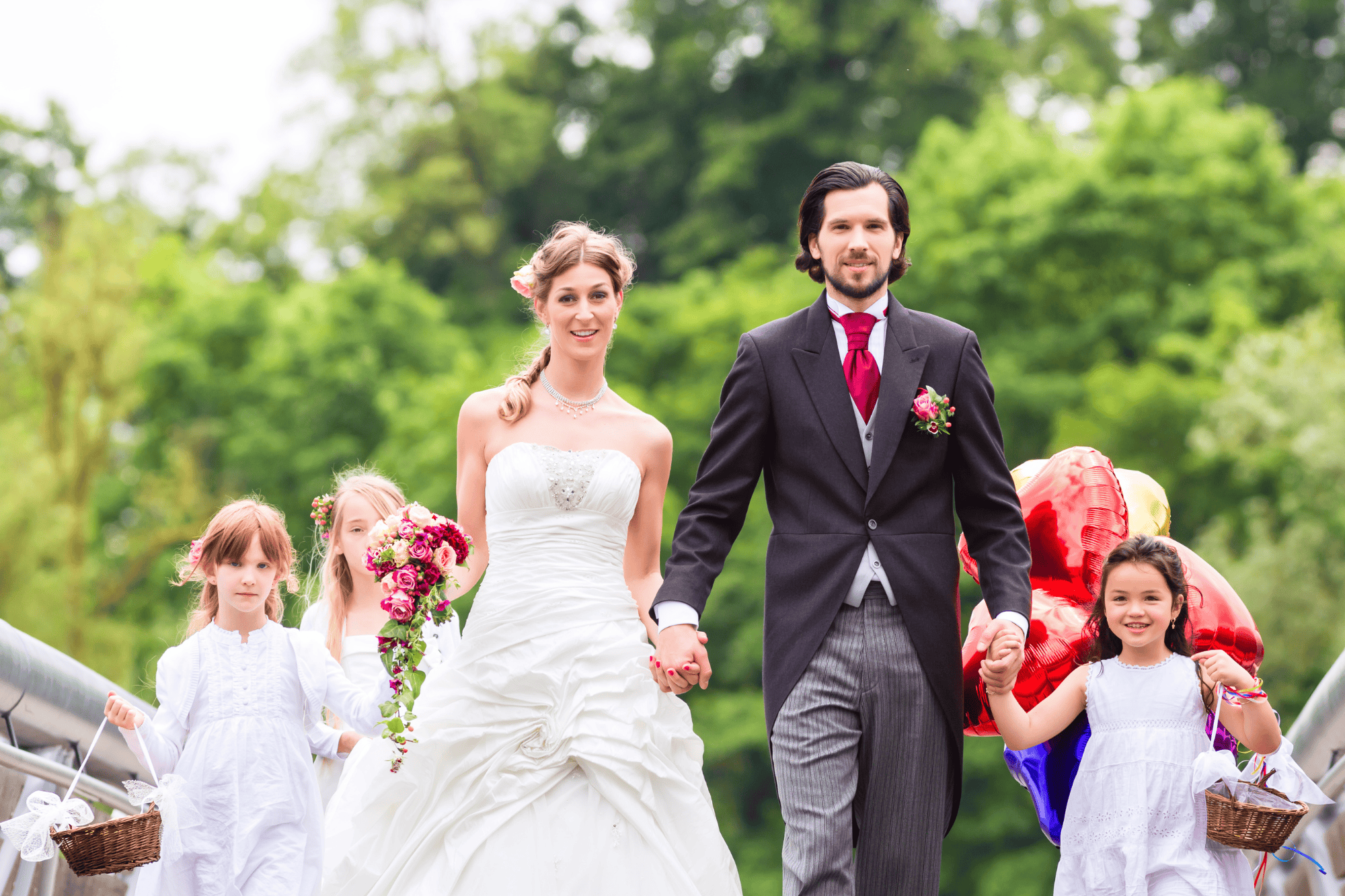
A Groom’s Guide To Preparing For Marriage
Preparing for marriage is both exciting and essential in any groom’s life. While the bride often takes the spotlight, the groom has significant responsibilities that contribute to the success of the big day.
From planning key aspects of the wedding to ensuring personal preparations are in place, it’s important to be organized and involved. Below is a comprehensive guide for grooms covering all essential steps before marriage.
Be Involved In Wedding Planning
Although the bride may handle many details, the groom must be involved in planning.
This is your special day, and active participation shows your commitment to the celebration.
Key decisions, such as choosing the venue, finalising the guest list, and picking your attire, should be made with your partner.
Your involvement will also help ease the pressure on your partner. Take responsibility for specific tasks, such as arranging entertainment, selecting transport, or helping plan the honeymoon.
Sharing the workload creates a more balanced partnership throughout the planning phase.
Organise Your Wedding Attire
Your outfit is an important day element, so plan it early. Begin looking for your wedding attire months in advance to allow time for fittings and adjustments.
Your suit should complement the wedding theme—formal, casual, or themed—and make you feel comfortable and confident.
Ensure your groomsmen’s attire aligns with yours. Plan a fitting session with your groomsmen to ensure everyone looks coordinated without overshadowing the groom.
Add personalised touches, such as cufflinks or a unique tie, to stand out while staying in harmony with the overall theme.
Select Your Groomsmen
Choosing your groomsman is an important decision. These friends and family members will support you throughout the wedding preparations and stand by your side on the big day. Select people who know you well and are reliable.
Once you’ve chosen your groomsmen, inform them well in advance. This allows them to prepare for their role and any associated costs for attire. Including them in events such as suit fittings and bucks’ nights strengthens camaraderie before the wedding.
Prepare Your Vows Or Wedding Speech
Whether you’re writing your vows or preparing a speech for the reception, this task requires time and thought.
Begin early so you’re not rushing the day before. When writing vows, reflect on your relationship and the promises you want to make. Personalised vows can make the ceremony even more special.
For the speech, balance humour, gratitude, and sentiment. Take time to thank family, friends, and your partner for their love and support. Practice delivering it out loud so you feel confident on the day and can speak with ease.
Plan The Bucks’ Night
Traditionally, the best man organises the Bucks’ night, but you can offer input to ensure the event reflects your personality.
Whether you want a casual gathering or a fun night out, it should be an enjoyable celebration without being excessive.
Consider activities that suit your style, whether a laid-back barbecue, a game of golf, or a pub crawl.
Keep the event classy, and ensure it doesn’t create unnecessary stress or lead to any incidents before the wedding. The focus should be on having a good time with your mates in a respectful and fun way.
Sort Out The Legal Requirements
Before the wedding, make sure all legal paperwork is in order. In Australia, you must file a Notice of Intended Marriage (NOIM) at least one month before the wedding.
This must be lodged with an authorised celebrant. Ensure you have proof of identity, such as a birth certificate or passport, and any documents related to prior marriages, if applicable.
By taking care of the legalities early, you avoid last-minute stress and ensure that everything is in place for a smooth ceremony.
Plan The Honeymoon
Remember to organise the honeymoon while planning the wedding.
Whether a tropical getaway or a city escape, the honeymoon is a time to unwind and enjoy your first days as a married couple. Discuss destinations with your partner, considering both of your preferences.
Book flights and accommodation in advance to secure the best deals. If you’re travelling internationally, Make sure your passports are valid.
Additionally, check for any required vaccinations and ensure travel insurance is in place to cover any unexpected situations.
Take Care Of Your Health
In the weeks before the wedding, it’s easy to get caught up in the details, but pay attention to your health.
Ensure you’re eating well, exercising regularly, and getting enough rest. Stress can take a toll, so find ways to unwind through meditation, walking, or spending quality time with friends.
Looking after your physical and mental health will help you feel confident and energised on the big day. Make sure you’re at your best as you walk down the aisle.
Arrange Transport For The Big Day
Organising transport for yourself, the groomsmen, and possibly other key family members is essential.
Whether it’s a vintage car, a modern ride, or a family vehicle, arrange everything well in advance. Ensure the mode of transport fits the style of the wedding.
You should consider guest transport, especially if the wedding venue is remote. Shuttle services can make it easier for guests to arrive on time and return home safely, so factor this into your planning if necessary.
Buy The Wedding Rings
Wedding rings are a significant symbol of your commitment. Purchase them well ahead of time to allow for any sizing adjustments.
It’s an important decision whether you prefer a traditional gold band or something more unique.
Keep the rings safe until the ceremony. Typically, the best man holds onto the rings, but make sure the person you choose is reliable and knows where to keep them during the day.
Finalise Last-Minute Details
As the wedding day approaches, there will likely be last-minute details to manage.
This could include confirming times with vendors, ensuring your attire is ready, or making final payments. Keep a checklist to stay organised, and don’t hesitate to delegate tasks to your groomsmen.
Handling these details early will allow you to enjoy the day without worrying about loose ends. A smooth run-up to the wedding helps create a more relaxed and enjoyable experience.
Spend Quality Time With Your Partner
The weeks before the wedding can become busy with tasks and plans, but it’s essential to prioritise time with your partner.
Make room for date nights without talking about wedding details. Remind yourselves why you’re getting married, and enjoy the journey toward the big day.
Spending this quality time together strengthens your bond and creates a positive foundation for your marriage.
Be Present On The Wedding Day
On the wedding day, your main role is to be present, enjoy the moment, and support your partner.
All the hard work and planning are behind you—now it’s time to savour the experience.
Greet your guests, relax with your groomsmen, and focus on being present during the ceremony.
Things might not go perfectly, but keep small details from ruining the day. Trust in your plans, and embrace the moment’s joy as you celebrate this important milestone.
Conclusion
Being a groom comes with its share of responsibilities, from planning the honeymoon to coordinating groomsmen and finalising last-minute details.
Involvement in the planning process is important to support your partner and ensure everything runs smoothly.
By staying organised, prioritising your health, and focusing on what truly matters, you’ll be well-prepared for the wedding day.
Above all, enjoy the journey and celebrate this exciting new chapter of your life with confidence and happiness.
Frequently Asked Questions
What can the groom not see before the wedding?
It’s bad luck for the groom to see the bride in her wedding dress before the ceremony. Origin: During the time when arranged marriages were custom, the betrothed couple wasn’t allowed to see each other before the wedding at all.
Why does the groom look under the bride’s dress?
Wedding season is almost here, and if you’ll be a guest at multiple summer weddings, you might see one or two instances of the wedding garter toss. In this long-standing tradition, the groom reaches under the bride’s dress to remove the garter and throws it to the male wedding guests.
Can groom see brides dress?
The groom can see the bride in her wedding dress before the ceremony.
When can the groom see the bride?
By having a veil over the bride’s face, the groom wouldn’t see her until the very last moment (at the end of the ceremony when they’re meant to kiss) when it was too late to back out.
What is groom makeup?
Groom makeup should not only be limited to face-wash, face cream and balm but must also include other essentials like spas, facials, threading, waxing and more. Considering this, here’s the groom makeup cheat sheet to for that fresh-faced glow and unceasing charm.